
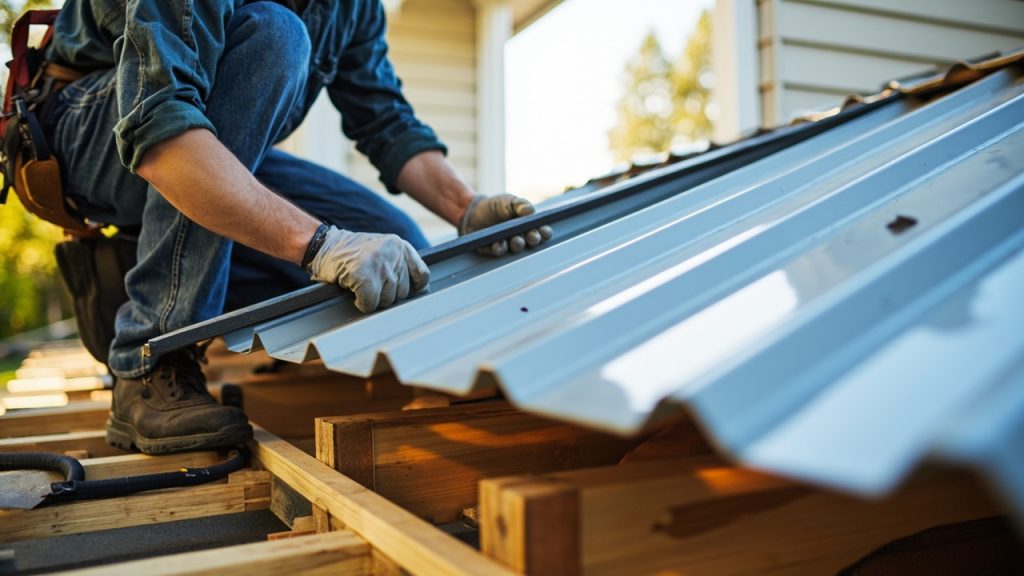
How to Quiet Down a Noisy Metal Roof for Better Sleep Near the Busy Streets of Lakewood
Living near the busy streets of Lakewood means you already deal with traffic noise. Add a noisy metal roof to the mix and getting a good night’s sleep becomes even harder. Many Cleveland homeowners worry that metal roofing will create a loud drumming sound during rain or hail storms. The good news is that modern metal roofing systems don’t have to be noisy when installed correctly.
Metal roofing has become increasingly popular in Lakewood and surrounding Cleveland neighborhoods because of its durability and energy efficiency. However the fear of noise often stops homeowners from making the switch. Understanding how sound travels through different roofing materials and what you can do to reduce noise will help you make an informed decision.
Understanding Metal Roof Noise in Cleveland’s Climate
Metal roofs can make noise but not for the reasons most people think. The sound you hear depends on several factors including the type of metal panel the quality of installation and what’s underneath the metal. In Lakewood’s climate with heavy lake-effect snow and frequent rain storms proper noise reduction becomes even more important.
Standing seam metal roofs tend to be quieter than corrugated panels because they have fewer exposed fasteners and create less vibration. The solid decking underneath your metal roof plays a crucial role in sound reduction. Without proper underlayment and insulation even the best metal panels can sound like a drum during a storm.
Comparing Metal vs. Asphalt Shingle Decibel Levels
Many homeowners don’t realize that asphalt shingles can actually be louder than properly installed metal roofing. The difference comes down to how each material handles sound. Here’s a comparison of typical noise levels during heavy rain:
| Roofing Material | Average Decibel Level | Sound Description |
|---|---|---|
| Standing Seam Metal (with underlayment) | 50-55 dB | Light rainfall sound |
| Corrugated Metal (basic) | 60-65 dB | Moderate rainfall sound |
| Asphalt Shingles | 55-65 dB | Heavy rainfall sound |
| Tile Roof | 45-50 dB | Very quiet |
Normal conversation typically measures around 60 dB. A properly installed metal roof with quality underlayment can be quieter than many people expect. The key is using the right combination of materials and installation techniques.
Four Critical Factors for Metal Roof Noise Reduction
Reducing noise from your metal roof requires addressing multiple layers of your roofing system. Each layer contributes to sound dampening and skipping any step can result in unwanted noise. Here are the four most important factors to consider.
The Role of Solid Sheathing and Decking
The solid wood decking under your metal roof serves as the foundation for noise reduction. In Lakewood’s older homes especially those built before the 1980s you might find spaced sheathing rather than solid decking. This can create a drum effect when rain hits the metal surface.
Solid plywood or OSB decking at least 1/2 inch thick provides a stable base that prevents vibration. The decking acts like a sound barrier absorbing some of the impact energy before it reaches your living space. If your current roof has spaced sheathing you’ll need to install solid decking before adding metal roofing.
High-Quality Underlayment: Your First Line of Defense
Underlayment is the synthetic or felt material installed directly on top of your decking before the metal panels go on. This layer is crucial for noise reduction and weather protection. In Cleveland’s climate synthetic underlayment outperforms traditional felt in both noise dampening and durability.
Look for underlayment with a sound transmission class (STC) rating of at least 50. The higher the STC rating the better the material blocks sound. Some premium synthetic underlayments include a rubberized asphalt layer specifically designed for sound deadening. This extra layer can reduce noise by an additional 5-10 decibels.
Attic Insulation as a Sound Barrier
Your attic insulation does more than control temperature. It also serves as a critical sound barrier between your roof and living space. In Lakewood’s climate zone 5 you need at least R-49 insulation in your attic for energy efficiency. This same insulation helps block sound transmission.
Fiberglass batt insulation and blown-in cellulose both provide excellent sound dampening. The thicker the insulation the better it absorbs sound waves. Adding an extra layer of insulation can reduce noise transmission by up to 30 percent. Spray foam insulation creates an even better sound barrier because it fills all gaps and cracks.
Professional Installation Techniques: Fasteners and Tension
How your metal roof is installed affects noise levels more than many homeowners realize. Proper fastener spacing prevents panels from vibrating loose over time. Standing seam systems use clips that allow for thermal expansion without creating noise.
The tension of your metal panels matters too. Panels that are too tight can create creaking sounds as temperatures change. Professional installers know the exact torque specifications for each type of fastener. They also use rubber washers and gaskets at connection points to prevent metal-on-metal contact that causes noise.
Cleveland Weather Guide: Rain, Hail, and Lake Erie Storms
Lakewood’s proximity to Lake Erie means you experience unique weather patterns that affect roof noise. Heavy lake-effect snow can create different sound profiles than typical rainfall. Understanding these patterns helps you choose the right noise reduction strategy.
During winter months snow acts as a natural sound insulator. A metal roof covered in snow produces very little noise. The challenge comes during freeze-thaw cycles when snow slides off creating sudden loud noises. Proper installation with snow guards can prevent this problem.
Hail storms are another concern for Lakewood homeowners. Large hail can dent metal roofing but modern metal panels are designed to withstand impacts. The noise from hail depends on the panel thickness and underlayment quality. Thicker 29-gauge steel with premium underlayment produces less noise than thinner 26-gauge panels.
Summer thunderstorms bring heavy rain that can last for hours. The sound of constant rainfall can be soothing or annoying depending on your perspective. Metal roofs with proper noise reduction create a gentle patter rather than a loud drumming sound.
Frequently Asked Questions About Metal Roof Acoustics
Will a metal roof make my house hotter in summer?
Metal roofs actually reflect more heat than asphalt shingles when coated with reflective paint. This can reduce cooling costs by 20-30 percent in summer. The noise reduction materials also provide thermal insulation helping maintain comfortable temperatures year-round.
How much does noise reduction add to the total cost?
Quality noise reduction typically adds 15-25 percent to your metal roofing project cost. This includes premium underlayment solid decking if needed and extra attic insulation. For a 2000 square foot roof you might spend an additional $3000-$5000 for comprehensive noise reduction.
Can I add noise reduction to an existing metal roof?
Yes but it’s more difficult than installing it during initial construction. You would need to remove the existing metal panels add underlayment and insulation then reinstall the metal. In some cases adding a new layer of plywood decking is necessary. This retrofit approach typically costs 30-40 percent more than new installation.
What’s the quietest metal roofing system available?
Standing seam metal roofs with solid decking premium synthetic underlayment and R-60 attic insulation provide the best noise reduction. Adding a layer of sound-deadening composite material between the underlayment and metal panels can reduce noise by an additional 3-5 decibels.
How do I know if my current roof has noise problems?
Listen during the next heavy rain. If you hear loud drumming or echoing sounds your roof likely needs noise reduction improvements. Check your attic for proper insulation and look for signs of vibration like loose nails or creaking sounds when walking on the roof.
- Assess Your Current Situation
Listen to your roof during rain inspect your attic insulation and check if you have solid decking. This helps identify which noise reduction steps you need.
- Choose the Right Metal Panel System
Standing seam roofs with concealed fasteners typically produce less noise than exposed fastener systems. Select 29-gauge steel for better sound dampening.
- Install Premium Underlayment
Use synthetic underlayment with an STC rating of 50 or higher. Consider rubberized asphalt options for maximum sound deadening.
- Upgrade Attic Insulation
Add insulation to reach R-60 if you’re below this level. Focus on sealing gaps around light fixtures and vents where sound can enter.
- Hire Experienced Installers
Choose contractors who understand proper fastener spacing and thermal movement. Ask about their specific noise reduction techniques and warranties.
Living near the busy streets of Lakewood doesn’t mean you have to suffer through noisy storms. Modern metal roofing systems with proper noise reduction can be quieter than traditional asphalt shingles. The key is addressing all four critical factors: solid decking quality underlayment attic insulation and professional installation.
Don’t let fear of noise stop you from enjoying the benefits of metal roofing. With the right approach you can have a durable energy-efficient roof that provides peaceful quiet even during Cleveland’s heaviest storms. Ready to learn more about quiet metal roofing solutions for your Lakewood home? Contact our team today for a free consultation and noise assessment.
Learn more about sound reduction techniques from the EPA
FEMA guidelines for roofing in severe weather areas
{
“@context”: “https://schema.org”,
“@type”: “BlogPosting”,
“headline”: “How to Quiet Down a Noisy Metal Roof for Better Sleep Near the Busy Streets of Lakewood”,
“description”: “Discover proven solutions to reduce metal roof noise in Cleveland’s Lakewood area. Learn about insulation, underlayment, and installation techniques that create a quieter home.”,
“wordCount”: 1510,
“datePublished”: “2026-05-23T06:45:00.000Z”,
“dateModified”: “2026-05-23T06:45:00.000Z”,
“inLanguage”: “en-US”,
“mainEntityOfPage”: {
“@type”: “WebPage”,
“@id”: “https://alpharoofingcleveland.com”
},
“publisher”: {
“@type”: “LocalBusiness”,
“name”: “Alpha Roofing Cleveland”,
“url”: “https://alpharoofingcleveland.com”
},
“author”: {
“@type”: “Organization”,
“name”: “Alpha Roofing Cleveland”,
“url”: “https://alpharoofingcleveland.com”
},
“image”: {
“@type”: “ImageObject”,
“url”: “https://alpharoofingcleveland.com/wp-content/uploads/2026/03/how-to-quiet-down-a-noisy-metal-roof-for-better-sl-1.jpg”
}
}
{
“@context”: “https://schema.org”,
“@type”: “RoofingContractor”,
“name”: “Alpha Roofing Cleveland”,
“url”: “https://alpharoofingcleveland.com”,
“address”: {
“@type”: “PostalAddress”,
“addressLocality”: “Cleveland”
},
“areaServed”: {
“@type”: “City”,
“name”: “Cleveland”
}
}
{
“@context”: “https://schema.org”,
“@type”: “FAQPage”,
“mainEntity”: [
{
“@type”: “Question”,
“name”: “Will a metal roof make my house hotter in summer?”,
“acceptedAnswer”: {
“@type”: “Answer”,
“text”: “Metal roofs actually reflect more heat than asphalt shingles when coated with reflective paint. This can reduce cooling costs by 20-30 percent in summer. The noise reduction materials also provide thermal insulation helping maintain comfortable temperatures year-round.”
}
},
{
“@type”: “Question”,
“name”: “How much does noise reduction add to the total cost?”,
“acceptedAnswer”: {
“@type”: “Answer”,
“text”: “Quality noise reduction typically adds 15-25 percent to your metal roofing project cost. This includes premium underlayment solid decking if needed and extra attic insulation. For a 2000 square foot roof you might spend an additional $3000-$5000 for comprehensive noise reduction.”
}
},
{
“@type”: “Question”,
“name”: “Can I add noise reduction to an existing metal roof?”,
“acceptedAnswer”: {
“@type”: “Answer”,
“text”: “Yes but it’s more difficult than installing it during initial construction. You would need to remove the existing metal panels add underlayment and insulation then reinstall the metal. In some cases adding a new layer of plywood decking is necessary. This retrofit approach typically costs 30-40 percent more than new installation.”
}
},
{
“@type”: “Question”,
“name”: “What’s the quietest metal roofing system available?”,
“acceptedAnswer”: {
“@type”: “Answer”,
“text”: “Standing seam metal roofs with solid decking premium synthetic underlayment and R-60 attic insulation provide the best noise reduction. Adding a layer of sound-deadening composite material between the underlayment and metal panels can reduce noise by an additional 3-5 decibels.”
}
}
]
}
{
“@context”: “https://schema.org”,
“@type”: “HowTo”,
“name”: “How to Quiet Down a Noisy Metal Roof”,
“step”: [
{
“@type”: “HowToStep”,
“position”: 1,
“name”: “Assess Your Current Situation”,
“text”: “Listen to your roof during rain inspect your attic insulation and check if you have solid decking. This helps identify which noise reduction steps you need.”
},
{
“@type”: “HowToStep”,
“position”: 2,
“name”: “Choose the Right Metal Panel System”,
“text”: “Standing seam roofs with concealed fasteners typically produce less noise than exposed fastener systems. Select 29-gauge steel for better sound dampening.”
},
{
“@type”: “HowToStep”,
“position”: 3,
“name”: “Install Premium Underlayment”,
“text”: “Use synthetic underlayment with an STC rating of 50 or higher. Consider rubberized asphalt options for maximum sound deadening.”
},
{
“@type”: “HowToStep”,
“position”: 4,
“name”: “Upgrade Attic Insulation”,
“text”: “Add insulation to reach R-60 if you’re below this level. Focus on sealing gaps around light fixtures and vents where sound can enter.”
},
{
“@type”: “HowToStep”,
“position”: 5,
“name”: “Hire Experienced Installers”,
“text”: “Choose contractors who understand proper fastener spacing and thermal movement. Ask about their specific noise reduction techniques and warranties.”
}
],
“image”: “https://alpharoofingcleveland.com/wp-content/uploads/2026/03/how-to-quiet-down-a-noisy-metal-roof-for-better-sl-1.jpg”
}
{
“@context”: “https://schema.org”,
“@type”: “BreadcrumbList”,
“itemListElement”: [
{
“@type”: “ListItem”,
“position”: 1,
“name”: “Home”,
“item”: “https://alpharoofingcleveland.com”
},
{
“@type”: “ListItem”,
“position”: 2,
“name”: “Blog”,
“item”: “https://alpharoofingcleveland.com/blog”
},
{
“@type”: “ListItem”,
“position”: 3,
“name”: “How to Quiet Down a Noisy Metal Roof for Better Sleep Near the Busy Streets of Lakewood”
}
]
}
{
“@context”: “https://schema.org”,
“@type”: “Service”,
“serviceType”: “Roofing”,
“provider”: {
“@type”: “LocalBusiness”,
“name”: “Alpha Roofing Cleveland”,
“url”: “https://alpharoofingcleveland.com”
},
“areaServed”: {
“@type”: “City”,
“name”: “Cleveland”
},
“description”: “Discover proven solutions to reduce metal roof noise in Cleveland’s Lakewood area. Learn about insulation, underlayment, and installation techniques that create a quieter home.”
}