
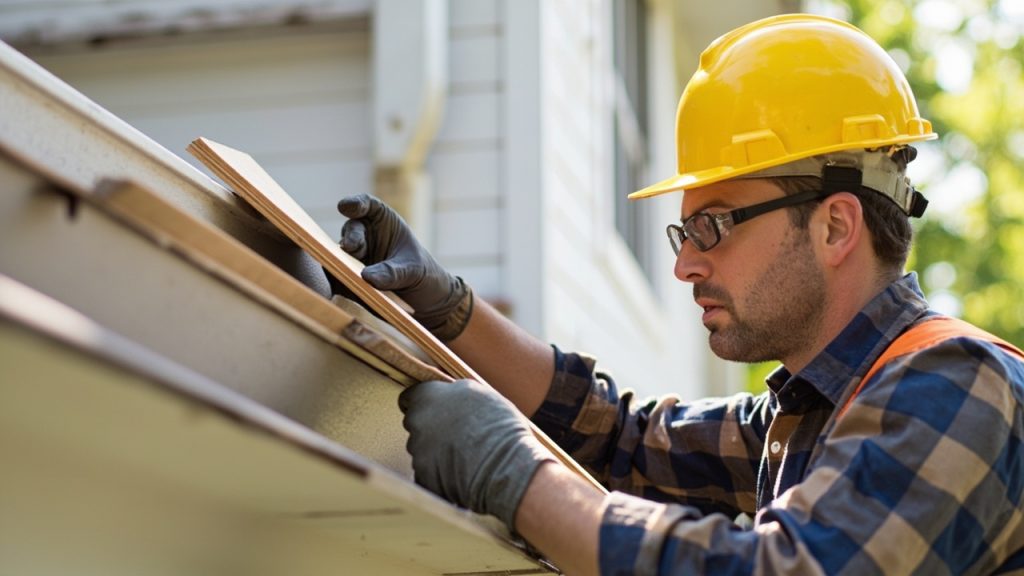
Understanding the Wildlife Problem in Mayfield Heights
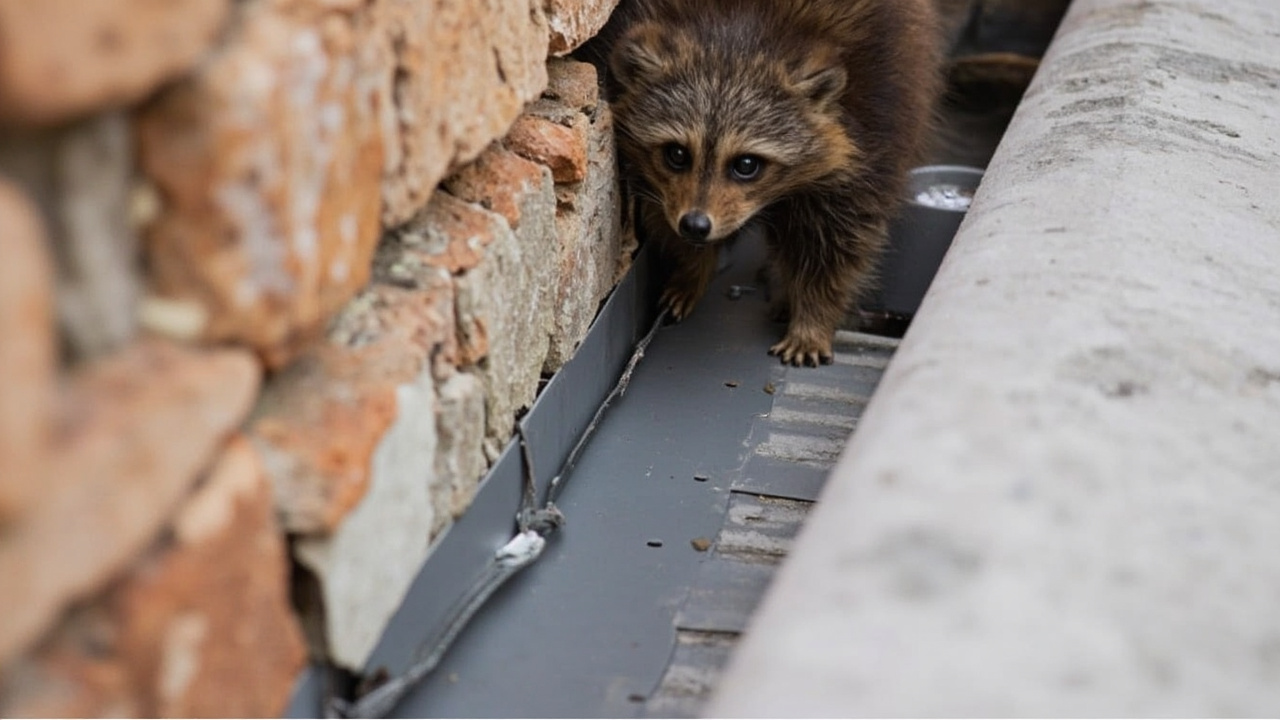
Mayfield Heights sits in a unique geographic location where suburban development meets mature wooded areas. This creates the perfect environment for local wildlife to find shelter in residential structures. Raccoons and squirrels are particularly adept at exploiting vulnerabilities in roof systems especially during seasonal transitions when they search for warm dry nesting sites.
The 44124 zip code experiences specific wildlife pressures due to its proximity to the Cuyahoga River watershed and the dense tree canopy along SOM Center Road. These animals can cause significant damage by prying up shingles creating entry points that lead to water infiltration and structural deterioration.
Common Entry Points Wildlife Use
Wildlife typically gains access through several vulnerable areas on Mayfield Heights homes. The soffit and fascia boards often separate from the main roof structure creating gaps large enough for determined animals to squeeze through. Roof vents particularly ridge vents and turbine vents provide another common entry point when their screens deteriorate or become dislodged.
Chimney flashing represents a major vulnerability especially on older homes near the Golden Gate Shopping Center area where construction methods from the 1960s and 1970s may have used less durable materials. Gable vents with damaged screens also offer easy access for squirrels and raccoons seeking shelter from Cleveland’s harsh winters.
Seasonal Wildlife Activity Patterns
Wildlife activity in Mayfield Heights follows predictable seasonal patterns that homeowners should understand. Spring breeding season from March through May sees increased animal activity as raccoons and squirrels search for safe nesting locations. Fall months from September through November bring another surge as animals prepare for winter by seeking warm shelter.
Cleveland’s freeze-thaw cycles create additional vulnerabilities during winter months. As temperatures fluctuate wildlife becomes more desperate for shelter and may work harder to create or enlarge entry points. The heavy clay soil common in Cuyahoga County causes foundation shifts that can create small gaps in roof structures which wildlife quickly exploit.
Inspection and Detection Methods
Regular roof inspections are essential for detecting early signs of wildlife intrusion. Look for missing or damaged shingles particularly in areas near trees or roof transitions. Check for droppings oily stains or nesting materials in attic spaces. Listen for scratching or movement sounds especially during dawn and dusk when animals are most active.
Professional roofers in Mayfield Heights use specialized equipment to detect wildlife activity. Thermal imaging cameras can identify warm spots where animals nest and moisture meters help locate water damage caused by compromised roofing materials. These tools are particularly valuable for homes in the Hillcrest area where mature trees create additional wildlife habitat.
Prevention Strategies That Work
Effective wildlife prevention requires a multi-layered approach. Start by trimming tree branches that hang within six feet of your roof. This eliminates easy access routes for squirrels and raccoons. Install metal flashing along roof edges and around vulnerable areas like chimneys and vents. Metal provides a durable barrier that animals cannot easily penetrate.
Screen all roof vents with heavy-duty hardware cloth. Standard vent screens often prove insufficient against determined wildlife. Consider installing ridge vent guards that allow proper ventilation while preventing animal entry. These modifications are particularly important for homes near the Mayfield Road corridor where commercial development creates additional food sources that attract wildlife.
Repairing Wildlife Damage
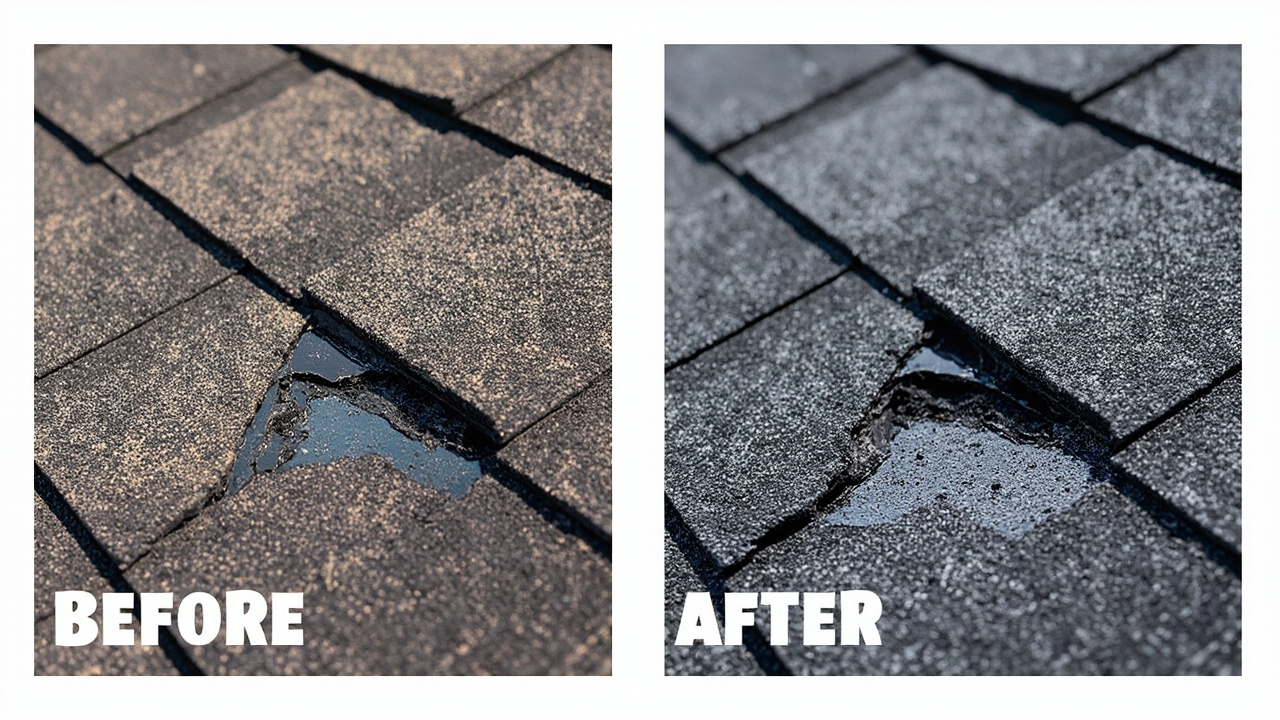
When wildlife has already gained access to your roof system prompt repair is essential. Start by removing any animals humanely and repairing entry points with materials that match your existing roof structure. Replace damaged shingles and underlayment to prevent water infiltration. Pay special attention to flashing repairs around chimneys and vents.
Many Mayfield Heights homes feature architectural styles common to the 1950s through 1970s including Ranch and Colonial designs. These homes often have specific vulnerabilities that require specialized repair techniques. Professional roofers familiar with local building patterns can identify and address these unique challenges effectively.
Professional Wildlife Exclusion Services
Professional wildlife exclusion services go beyond simple repairs. These specialists conduct comprehensive inspections to identify all potential entry points and implement permanent solutions. They understand local wildlife behavior patterns and use this knowledge to create effective exclusion strategies.
Mayfield Heights residents should seek contractors who understand local building codes and wildlife regulations. The Ohio Department of Natural Resources has specific requirements for humane wildlife removal and exclusion. Professional services ensure compliance while protecting your home from future intrusions. Ohio Department of Natural Resources.
Long-Term Protection Solutions
Long-term protection requires ongoing maintenance and monitoring. Schedule annual roof inspections particularly after severe weather events common to Northeast Ohio. Install gutter guards to prevent debris accumulation that attracts wildlife. Consider upgrading to impact-resistant shingles that provide better protection against both weather and animal damage.
Homes in the 44124 area benefit from specific material choices suited to local conditions. Architectural shingles with reinforced nailing zones provide better resistance to wind uplift and animal tampering. Synthetic underlayment offers superior protection compared to traditional felt paper especially in areas prone to ice dam formation.
Insurance Considerations
Standard homeowner insurance policies in Mayfield Heights typically cover damage caused by wildlife but may exclude damage from rodents or insects. Review your policy carefully and document any wildlife damage with photographs. Many insurance companies require proof that preventive measures were in place before covering damage claims.
Professional roofers can help document damage and provide detailed repair estimates for insurance purposes. This documentation proves invaluable when filing claims for wildlife-related damage. Keep records of all preventive measures and repairs to demonstrate your commitment to property maintenance.
Environmental Considerations
Wildlife management in Mayfield Heights requires balancing property protection with environmental responsibility. The area’s proximity to natural areas means wildlife will always be present. Humane exclusion methods that redirect animals rather than harming them represent the most effective long-term solution.
Consider installing wildlife-friendly deterrents like motion-activated lights or sound devices. These methods discourage animals without causing harm. Work with local wildlife rehabilitation centers if you encounter injured or orphaned animals during exclusion efforts.
DIY vs Professional Solutions
While some wildlife prevention measures can be DIY projects others require professional expertise. Simple tasks like trimming branches and installing gutter guards are suitable for homeowners. However roof repairs and wildlife exclusion work often require specialized equipment and knowledge of local building codes.
Professional roofers in Mayfield Heights understand the specific challenges posed by local wildlife species and building patterns. They can identify subtle signs of damage that homeowners might miss and implement comprehensive solutions that address root causes rather than just symptoms.
Cost Factors to Consider
Wildlife damage repair costs in Mayfield Heights vary based on several factors. The extent of damage, accessibility of affected areas, and materials required all influence final costs. Simple repairs like replacing damaged shingles might cost a few hundred dollars while comprehensive wildlife exclusion can run into thousands.
Preventive measures generally cost less than repairs. Investing in quality materials and professional installation often proves more economical than repeated repairs. Consider wildlife prevention as part of your overall roof maintenance budget rather than an unexpected expense.
Local Building Code Requirements
Mayfield Heights follows Cuyahoga County building codes that include specific requirements for roof repairs and modifications. Any work that affects the structural integrity of your roof requires permits. Wildlife exclusion work that involves structural modifications also falls under these regulations.
Professional contractors familiar with local codes ensure all work complies with current requirements. This compliance protects you from potential fines and ensures repairs meet safety standards. Building codes also specify minimum standards for materials and installation methods.
Seasonal Maintenance Schedule
Establish a seasonal maintenance schedule to protect your Mayfield Heights home from wildlife damage. Spring inspections should focus on winter damage and prepare for breeding season activity. Summer maintenance addresses any damage from spring activity and prepares for fall intrusions.
Fall inspections are crucial as animals seek winter shelter. Check all potential entry points and repair any damage before cold weather arrives. Winter monitoring helps identify any new activity and allows for prompt repairs when weather permits.
Choosing the Right Contractor
Select contractors with specific experience in wildlife damage repair and exclusion. Look for professionals who understand local wildlife patterns and building requirements. Check references and verify licensing and insurance coverage.
Mayfield Heights homeowners should seek contractors familiar with local architectural styles and building patterns. Experience with the specific challenges posed by the area’s climate and wildlife ensures more effective solutions.
Emergency Response Procedures
Wildlife intrusions sometimes require immediate attention. Develop an emergency response plan that includes contact information for professional wildlife removal services and roofing contractors. Keep basic supplies on hand for temporary repairs until professionals arrive.
Know the signs that indicate immediate professional attention is needed. Active animal presence, significant water damage, or structural compromise all warrant prompt professional intervention. Quick response often prevents more extensive and expensive damage.
Future-Proofing Your Roof
Consider future-proofing your roof system when making repairs or replacements. Choose materials and installation methods that provide maximum resistance to wildlife intrusion. Invest in quality ventilation systems that reduce the appeal of your attic space to nesting animals.
Technology continues to advance in wildlife exclusion methods. Stay informed about new products and techniques that can provide better protection for your Mayfield Heights home. Regular updates to your prevention strategy ensure continued effectiveness.
Community Resources
Mayfield Heights offers several community resources for wildlife management. The city maintains information about local wildlife species and management strategies. Local wildlife rehabilitation centers can provide guidance on humane exclusion methods.
Connect with neighbors to share information about effective prevention strategies. Community-wide efforts often prove more effective than individual actions. Consider organizing neighborhood wildlife management workshops to share knowledge and resources.
Monitoring and Maintenance
- Conduct Regular Visual Inspections
Check your roof from the ground monthly using binoculars to spot missing shingles or damage.
- Listen for Activity Signs
Note any scratching or movement sounds in attic spaces especially during dawn and dusk.
- Check Attic Spaces
Look for droppings nesting materials or oily stains that indicate animal presence.
- Inspect After Storms
Check for new damage after severe weather that could create entry points.
- Schedule Professional Inspections
Have a professional roofer inspect annually for hidden damage.
Effective wildlife management requires ongoing monitoring and maintenance. Establish a regular inspection schedule and address any issues promptly. Keep records of all inspections and repairs to track patterns and effectiveness of prevention strategies.
Technology can aid in monitoring efforts. Consider installing wildlife cameras near vulnerable areas to detect activity patterns. Smart home systems can alert you to unusual movement or sounds in attic spaces.
Success Stories and Case Studies
Many Mayfield Heights homeowners have successfully implemented wildlife prevention strategies. One resident near the Golden Gate Shopping Center area installed comprehensive exclusion systems after repeated raccoon intrusions. The investment prevented thousands in potential damage and provided peace of mind.
Another homeowner in the Hillcrest area combined professional exclusion services with ongoing maintenance to eliminate persistent squirrel problems. The comprehensive approach addressed both immediate concerns and long-term prevention.
Final Recommendations
Protecting your Mayfield Heights home from wildlife requires a comprehensive approach combining prevention repair and ongoing maintenance. Start with a professional inspection to identify vulnerabilities then implement appropriate prevention strategies based on your specific situation.
Invest in quality materials and professional installation for maximum effectiveness. Regular monitoring and prompt attention to any issues prevent small problems from becoming major expenses. Consider wildlife prevention as an essential aspect of home maintenance rather than an optional upgrade.
Frequently Asked Questions
How do I know if wildlife has damaged my roof?
Look for missing or damaged shingles droppings in attic spaces scratching sounds and water stains on ceilings. Professional inspection can identify less obvious signs of damage.
What’s the best way to prevent raccoons from entering my roof?
Install metal flashing around vulnerable areas trim tree branches away from the roof and seal all potential entry points with durable materials. Professional exclusion services provide comprehensive protection.
Are wildlife removal services expensive?
Costs vary based on the extent of damage and required repairs. Preventive measures generally cost less than repairs. Get multiple estimates and consider long-term protection value.
Can I handle wildlife exclusion myself?
Some preventive measures like trimming branches are DIY friendly. However roof repairs and comprehensive exclusion often require professional expertise and specialized equipment.
How often should I inspect my roof for wildlife damage?
Conduct visual inspections monthly and schedule professional inspections annually. Increase frequency after severe weather events or if you notice signs of animal activity.
{
“@context”: “https://schema.org”,
“@type”: “BlogPosting”,
“headline”: “How to stop local wildlife from nesting under the shingles of your Mayfield Heights home”,
“description”: “Learn how to prevent raccoons, squirrels, and other wildlife from damaging your Mayfield Heights roof with expert tips from Alpha Roofing Cleveland.”,
“wordCount”: 2051,
“datePublished”: “2026-04-11T12:10:00.000Z”,
“dateModified”: “2026-04-11T12:10:00.000Z”,
“inLanguage”: “en-US”,
“mainEntityOfPage”: {
“@type”: “WebPage”,
“@id”: “https://alpharoofingcleveland.com”
},
“publisher”: {
“@type”: “LocalBusiness”,
“name”: “Alpha Roofing Cleveland”,
“url”: “https://alpharoofingcleveland.com”
},
“author”: {
“@type”: “Organization”,
“name”: “Alpha Roofing Cleveland”,
“url”: “https://alpharoofingcleveland.com”
},
“image”: {
“@type”: “ImageObject”,
“url”: “https://alpharoofingcleveland.com/wp-content/uploads/2026/03/how-to-stop-local-wildlife-from-nesting-under-the-1.jpg”
}
}
{
“@context”: “https://schema.org”,
“@type”: “RoofingContractor”,
“name”: “Alpha Roofing Cleveland”,
“url”: “https://alpharoofingcleveland.com”,
“address”: {
“@type”: “PostalAddress”,
“addressLocality”: “Cleveland”
},
“areaServed”: {
“@type”: “City”,
“name”: “Cleveland”
}
}
{
“@context”: “https://schema.org”,
“@type”: “FAQPage”,
“mainEntity”: [
{
“@type”: “Question”,
“name”: “How do I know if wildlife has damaged my roof?”,
“acceptedAnswer”: {
“@type”: “Answer”,
“text”: “Look for missing or damaged shingles droppings in attic spaces scratching sounds and water stains on ceilings. Professional inspection can identify less obvious signs of damage.”
}
},
{
“@type”: “Question”,
“name”: “What’s the best way to prevent raccoons from entering my roof?”,
“acceptedAnswer”: {
“@type”: “Answer”,
“text”: “Install metal flashing around vulnerable areas trim tree branches away from the roof and seal all potential entry points with durable materials. Professional exclusion services provide comprehensive protection.”
}
},
{
“@type”: “Question”,
“name”: “Are wildlife removal services expensive?”,
“acceptedAnswer”: {
“@type”: “Answer”,
“text”: “Costs vary based on the extent of damage and required repairs. Preventive measures generally cost less than repairs. Get multiple estimates and consider long-term protection value.”
}
},
{
“@type”: “Question”,
“name”: “Can I handle wildlife exclusion myself?”,
“acceptedAnswer”: {
“@type”: “Answer”,
“text”: “Some preventive measures like trimming branches are DIY friendly. However roof repairs and comprehensive exclusion often require professional expertise and specialized equipment.”
}
},
{
“@type”: “Question”,
“name”: “How often should I inspect my roof for wildlife damage?”,
“acceptedAnswer”: {
“@type”: “Answer”,
“text”: “Conduct visual inspections monthly and schedule professional inspections annually. Increase frequency after severe weather events or if you notice signs of animal activity.”
}
}
]
}
{
“@context”: “https://schema.org”,
“@type”: “HowTo”,
“name”: “How to Monitor Your Roof for Wildlife Activity”,
“step”: [
{
“@type”: “HowToStep”,
“position”: 1,
“name”: “Conduct Regular Visual Inspections”,
“text”: “Check your roof from the ground monthly using binoculars to spot missing shingles or damage.”
},
{
“@type”: “HowToStep”,
“position”: 2,
“name”: “Listen for Activity Signs”,
“text”: “Note any scratching or movement sounds in attic spaces especially during dawn and dusk.”
},
{
“@type”: “HowToStep”,
“position”: 3,
“name”: “Check Attic Spaces”,
“text”: “Look for droppings nesting materials or oily stains that indicate animal presence.”
},
{
“@type”: “HowToStep”,
“position”: 4,
“name”: “Inspect After Storms”,
“text”: “Check for new damage after severe weather that could create entry points.”
},
{
“@type”: “HowToStep”,
“position”: 5,
“name”: “Schedule Professional Inspections”,
“text”: “Have a professional roofer inspect annually for hidden damage.”
}
],
“image”: “https://alpharoofingcleveland.com/wp-content/uploads/2026/03/how-to-stop-local-wildlife-from-nesting-under-the-1.jpg”
}
{
“@context”: “https://schema.org”,
“@type”: “BreadcrumbList”,
“itemListElement”: [
{
“@type”: “ListItem”,
“position”: 1,
“name”: “Home”,
“item”: “https://alpharoofingcleveland.com”
},
{
“@type”: “ListItem”,
“position”: 2,
“name”: “Blog”,
“item”: “https://alpharoofingcleveland.com/blog”
},
{
“@type”: “ListItem”,
“position”: 3,
“name”: “How to stop local wildlife from nesting under the shingles of your Mayfield Heights home”
}
]
}
{
“@context”: “https://schema.org”,
“@type”: “Service”,
“serviceType”: “Roofing”,
“provider”: {
“@type”: “LocalBusiness”,
“name”: “Alpha Roofing Cleveland”,
“url”: “https://alpharoofingcleveland.com”
},
“areaServed”: {
“@type”: “City”,
“name”: “Cleveland”
},
“description”: “Learn how to prevent raccoons, squirrels, and other wildlife from damaging your Mayfield Heights roof with expert tips from Alpha Roofing Cleveland.”
}
For more information, visit FEMA.