
How to Stop Standing Water on Flat Roofs in the Warehouse District
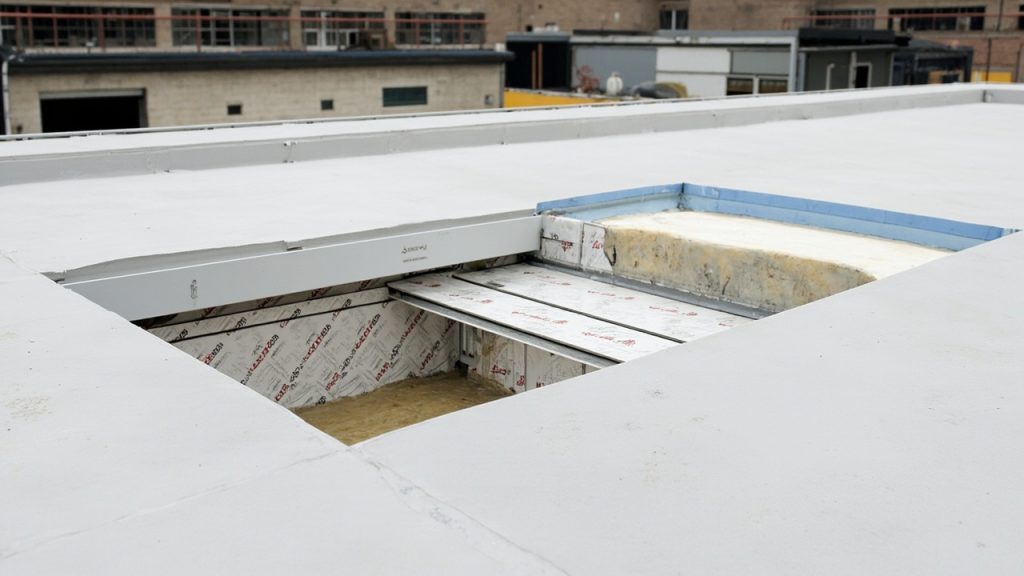
Standing water on flat roofs creates serious problems for Warehouse District property owners. Water that sits for more than 48 hours can damage roofing membranes, promote algae growth, and even compromise structural integrity. Cleveland’s heavy rainfall and snow loads make proper drainage critical for protecting your investment.
Understanding Why Water Pools on Your Roof
Flat roofs are not actually flat. They require a slight slope of at least 1/4 inch per foot to move water toward drains. When this slope fails, water collects in low spots. Common causes include:
- Settling of the building structure over time
- Poor initial installation with inadequate slope
- Debris blocking drainage pathways
- Membrane sagging from age or damage
Cleveland’s freeze-thaw cycles worsen these problems. Water seeps into tiny cracks, freezes, expands, and creates larger gaps. This process repeats throughout winter, turning small drainage issues into major ponding problems.
Commercial Drainage Solutions for Warehouse District Buildings
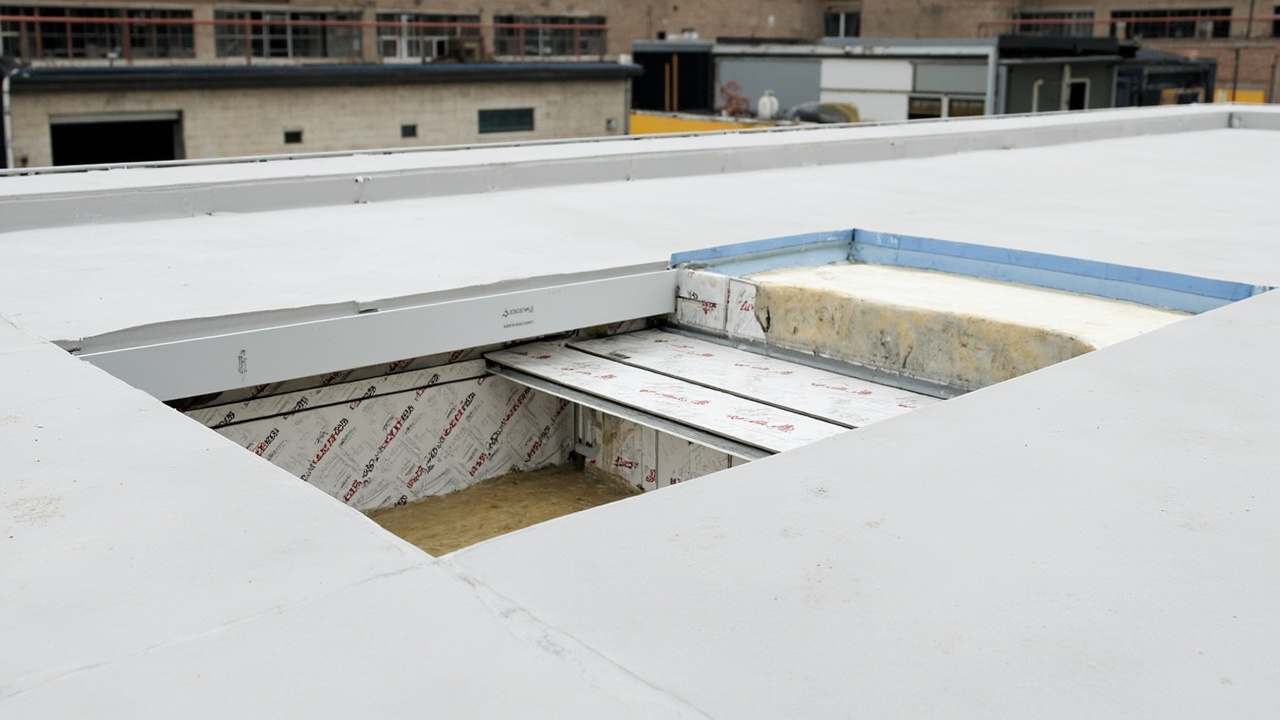
The Warehouse District features many historic loft buildings converted to commercial spaces. These structures often need specialized drainage solutions that work with existing architecture while meeting modern building codes.
Interior Drainage Systems
Interior drains collect water through the roof surface and channel it through pipes inside the building. They work well for large commercial roofs and handle heavy rainfall effectively. Key components include:
- Drain sumps with waterproof liners
- Clogged drain detection systems
- Secondary overflow drains for backup protection
According to the National Roofing Contractors Association, secondary drains are required when the primary system could be overwhelmed during extreme weather events. National Roofing Contractors Association.
Scuppers and Edge Drainage
Scuppers are openings in parapet walls that allow water to drain off the roof edge. They work particularly well for Warehouse District buildings with classic architectural lines. Benefits include:
- No internal piping required
- Visible water flow makes blockages obvious
- Easier maintenance access
Scuppers need proper sizing based on local rainfall data. Cleveland receives about 39 inches of rain annually, requiring larger scuppers than areas with less precipitation.
Gutter and Downspout Systems
Traditional gutters work for some flat roof applications but require careful design. They must handle both rain and melting snow loads. Modern commercial gutters feature:
- Oversized downspouts for heavy flow
- Heated cables to prevent ice dam formation
- Leaf guards to reduce maintenance needs
The City of Cleveland building code requires overflow provisions when using gutters on commercial buildings to prevent water backup during severe storms.
Creating Slope with Tapered Insulation
When a flat roof lacks proper slope, tapered insulation provides an effective solution. This system adds layers of insulation with varying thicknesses to create the necessary pitch toward drains.
Tapered insulation offers multiple benefits:
- Improves energy efficiency by adding R-value
- Eliminates ponding water by directing flow
- Extends roof membrane life by preventing standing water damage
Installation requires careful planning. The slope must direct water to existing drains or new drainage points. Common configurations include:
| Slope Direction | Best For | Typical Use |
|---|---|---|
| Two-way slope | Square roofs | Directs water to center drains |
| Four-way slope | Larger commercial roofs | Channels to multiple drain points |
| Parapet slope | Historic buildings | Uses existing walls for drainage |
The tapered system adds minimal weight while solving drainage problems. Most installations can be completed without structural modifications to the building.
Preventing Ice Dams and Freeze-Thaw Damage
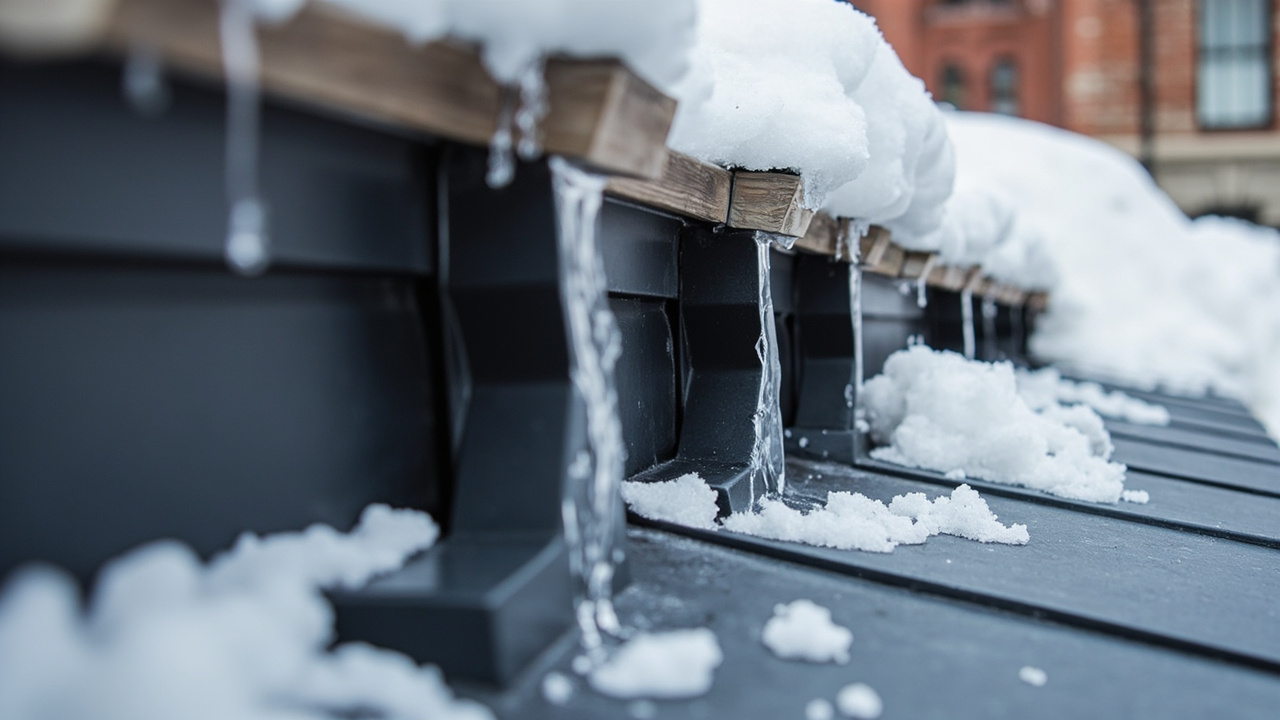
Cleveland’s winter weather creates unique challenges for flat roof drainage. Ice dams form when snow melts, runs to the roof edge, and refreezes. This blocks drainage and forces water under roofing materials.
Prevention strategies include:
- Heating cables along roof edges and around drains
- Proper attic insulation to minimize heat loss
- Ice and water shield membranes at roof perimeters
The Cuyahoga County building code requires ice and water shield extending at least 24 inches inside the exterior wall line for commercial buildings in Northeast Ohio.
Regular winter maintenance proves essential. Snow removal from roof drains prevents ice buildup. However, mechanical snow removal can damage roofing materials, so professional service is recommended.
Maintenance Schedule for Cleveland Commercial Roofs
Preventative maintenance prevents most standing water problems. A comprehensive schedule includes:
- Monthly Inspections
Check for debris, standing water, and visible damage. Clear drain openings and inspect seals around penetrations.
- Seasonal Cleanings
Remove leaves and debris each fall. Clear snow from drains in winter. Check for algae growth in summer.
- Annual Professional Inspection
Hire a certified roofer to check membrane integrity, flashing, and drainage system function.
- Post-Storm Assessment
After severe weather, inspect for damage that could affect drainage.
Document all maintenance activities. This creates a valuable record for warranty claims and helps identify recurring problems.
Emergency Response for Drainage Failures
When drainage systems fail, quick action prevents extensive damage. Warning signs include:
- Water marks on interior ceilings
- Unusual roof sagging
- Standing water visible from ground level
- Interior leaks during rainfall
Emergency steps include:
- Clear visible debris from drains and scuppers
- Check that downspouts are not frozen or blocked
- Remove accumulated snow if safe to do so
- Call a professional if problems persist
Most drainage emergencies require professional equipment and expertise. Attempting repairs during storms can be dangerous and may void warranties.
Cost Factors for Drainage Improvements
Several factors affect the cost of solving standing water problems:
| Factor | Impact on Cost | Typical Range |
|---|---|---|
| Roof size | Direct correlation | Increases linearly |
| Existing damage | Adds repair costs | Variable based on extent |
| Access difficulty | Affects labor time | 5-15% premium |
| Material selection | Quality affects price | Standard to premium options |
Investing in proper drainage typically costs less than repairing water damage. Most property owners see return on investment through extended roof life and prevented interior damage.
Local Building Code Requirements
Cleveland and Cuyahoga County have specific requirements for commercial roof drainage:
- Secondary drainage systems for roofs over 3,000 square feet
- Ice and water shield requirements in freezing climates
- Specific overflow provisions for parapet walls
- Load calculations for snow retention systems
Local permitting ensures drainage systems meet safety standards. Always verify that contractors pull required permits and follow current codes.

Choosing the Right Contractor
Flat roof drainage requires specialized knowledge. Look for contractors with:
- Commercial roofing experience in Cleveland
- Understanding of local weather challenges
- Knowledge of building code requirements
- References from similar projects
Verify licensing and insurance. Commercial roofing work requires specific credentials beyond residential roofing.
Ask about warranty coverage. Quality drainage work should include both material and workmanship warranties.
Long-term Benefits of Proper Drainage
Investing in proper flat roof drainage provides multiple benefits:
- Extends roof membrane life by 10-15 years
- Prevents costly interior water damage
- Reduces energy costs through better insulation
- Improves building safety and code compliance
- Enhances property value and marketability
Most Warehouse District property owners find that drainage improvements pay for themselves through prevented damage and extended roof life.
Frequently Asked Questions
How long can water sit on a flat roof before causing damage?
Water should not remain on a flat roof for more than 48 hours. After this time, it can begin to damage roofing materials and promote algae growth.
Can I add slope to my existing flat roof?
Yes. Tapered insulation systems can add slope without major structural changes. This is often more cost-effective than roof replacement.
How often should commercial flat roofs be inspected?
Monthly visual inspections plus professional inspections twice yearly are recommended. Additional checks after severe weather are also important.
What causes most flat roof drainage failures?
Debris blockage is the most common cause. Regular cleaning prevents most drainage problems. Structural settling and membrane damage are secondary causes.
Are heated drains necessary in Cleveland?
Heated drains prevent ice dam formation and are highly recommended for Cleveland’s climate. They prevent freeze-thaw damage and ensure year-round drainage.
{
“@context”: “https://schema.org”,
“@type”: “BlogPosting”,
“headline”: “How to Stop Standing Water on Flat Roofs in the Warehouse District”,
“description”: “Learn how to fix ponding water on flat roofs in Cleveland’s Warehouse District. Discover drainage solutions, tapered insulation, and maintenance tips for commercial buildings.”,
“wordCount”: 1251,
“datePublished”: “2026-05-06T11:25:00.000Z”,
“dateModified”: “2026-05-06T11:25:00.000Z”,
“inLanguage”: “en-US”,
“mainEntityOfPage”: {
“@type”: “WebPage”,
“@id”: “https://alpharoofingcleveland.com”
},
“publisher”: {
“@type”: “LocalBusiness”,
“name”: “Alpha Roofing Cleveland”,
“url”: “https://alpharoofingcleveland.com”
},
“author”: {
“@type”: “Organization”,
“name”: “Alpha Roofing Cleveland”,
“url”: “https://alpharoofingcleveland.com”
},
“image”: {
“@type”: “ImageObject”,
“url”: “https://alpharoofingcleveland.com/wp-content/uploads/2026/03/how-to-stop-standing-water-on-flat-roofs-in-the-wa-1.jpg”
}
}
{
“@context”: “https://schema.org”,
“@type”: “RoofingContractor”,
“name”: “Alpha Roofing Cleveland”,
“url”: “https://alpharoofingcleveland.com”,
“address”: {
“@type”: “PostalAddress”,
“addressLocality”: “Cleveland”
},
“areaServed”: {
“@type”: “City”,
“name”: “Cleveland”
}
}
{
“@context”: “https://schema.org”,
“@type”: “FAQPage”,
“mainEntity”: [
{
“@type”: “Question”,
“name”: “How long can water sit on a flat roof before causing damage?”,
“acceptedAnswer”: {
“@type”: “Answer”,
“text”: “Water should not remain on a flat roof for more than 48 hours. After this time, it can begin to damage roofing materials and promote algae growth.”
}
},
{
“@type”: “Question”,
“name”: “Can I add slope to my existing flat roof?”,
“acceptedAnswer”: {
“@type”: “Answer”,
“text”: “Yes. Tapered insulation systems can add slope without major structural changes. This is often more cost-effective than roof replacement.”
}
},
{
“@type”: “Question”,
“name”: “How often should commercial flat roofs be inspected?”,
“acceptedAnswer”: {
“@type”: “Answer”,
“text”: “Monthly visual inspections plus professional inspections twice yearly are recommended. Additional checks after severe weather are also important.”
}
},
{
“@type”: “Question”,
“name”: “What causes most flat roof drainage failures?”,
“acceptedAnswer”: {
“@type”: “Answer”,
“text”: “Debris blockage is the most common cause. Regular cleaning prevents most drainage problems. Structural settling and membrane damage are secondary causes.”
}
},
{
“@type”: “Question”,
“name”: “Are heated drains necessary in Cleveland?”,
“acceptedAnswer”: {
“@type”: “Answer”,
“text”: “Heated drains prevent ice dam formation and are highly recommended for Cleveland’s climate. They prevent freeze-thaw damage and ensure year-round drainage.”
}
}
]
}
{
“@context”: “https://schema.org”,
“@type”: “HowTo”,
“name”: “Flat Roof Maintenance Schedule”,
“step”: [
{
“@type”: “HowToStep”,
“position”: 1,
“name”: “Monthly Inspections”,
“text”: “Check for debris, standing water, and visible damage. Clear drain openings and inspect seals around penetrations.”
},
{
“@type”: “HowToStep”,
“position”: 2,
“name”: “Seasonal Cleanings”,
“text”: “Remove leaves and debris each fall. Clear snow from drains in winter. Check for algae growth in summer.”
},
{
“@type”: “HowToStep”,
“position”: 3,
“name”: “Annual Professional Inspection”,
“text”: “Hire a certified roofer to check membrane integrity, flashing, and drainage system function.”
},
{
“@type”: “HowToStep”,
“position”: 4,
“name”: “Post-Storm Assessment”,
“text”: “After severe weather, inspect for damage that could affect drainage.”
}
],
“image”: “https://alpharoofingcleveland.com/wp-content/uploads/2026/03/how-to-stop-standing-water-on-flat-roofs-in-the-wa-1.jpg”
}
{
“@context”: “https://schema.org”,
“@type”: “BreadcrumbList”,
“itemListElement”: [
{
“@type”: “ListItem”,
“position”: 1,
“name”: “Home”,
“item”: “https://alpharoofingcleveland.com”
},
{
“@type”: “ListItem”,
“position”: 2,
“name”: “Blog”,
“item”: “https://alpharoofingcleveland.com/blog”
},
{
“@type”: “ListItem”,
“position”: 3,
“name”: “How to Stop Standing Water on Flat Roofs in the Warehouse District”
}
]
}
{
“@context”: “https://schema.org”,
“@type”: “Service”,
“serviceType”: “Roofing”,
“provider”: {
“@type”: “LocalBusiness”,
“name”: “Alpha Roofing Cleveland”,
“url”: “https://alpharoofingcleveland.com”
},
“areaServed”: {
“@type”: “City”,
“name”: “Cleveland”
},
“description”: “Learn how to fix ponding water on flat roofs in Cleveland’s Warehouse District. Discover drainage solutions, tapered insulation, and maintenance tips for commercial buildings.”
}
For more information, visit Environmental Protection Agency.