
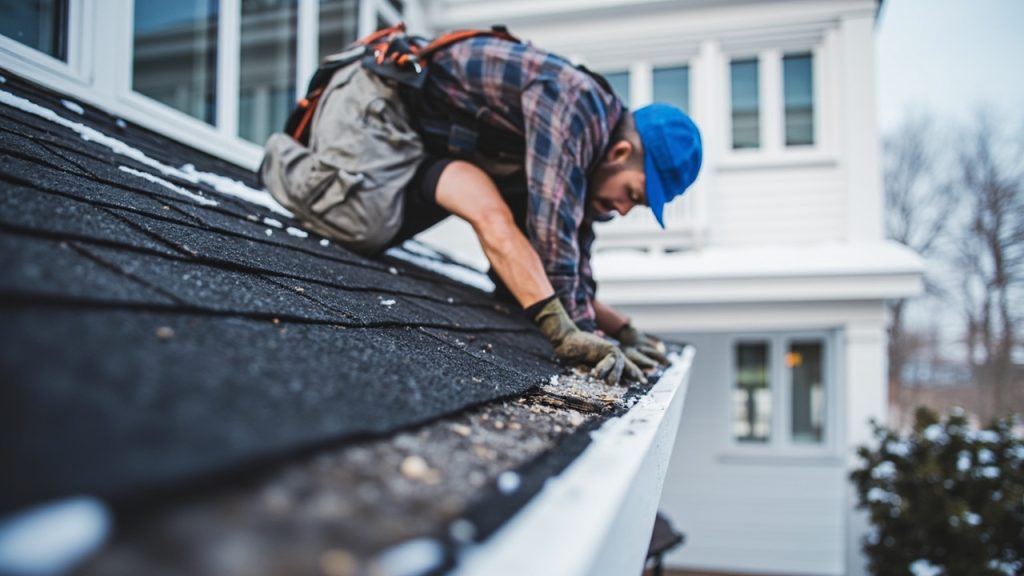
Is a partial roof replacement a smart move or a waste of money for your Highland Heights home?
Highland Heights homeowners often face a tough choice when part of their roof shows damage. A single leak or missing shingles might make you wonder if you can get away with fixing just that section instead of replacing the entire roof. The answer depends on several factors specific to your home and Cleveland’s unique climate conditions.
Before you decide, you need to understand how the freeze-thaw cycles common in Cuyahoga County affect roof materials. These temperature swings cause shingles to expand and contract repeatedly. Over time this leads to cracking curling and granule loss. If your roof is already 15-20 years old a partial repair might only delay the inevitable while leaving other sections vulnerable to the same problems. EPA roofing energy efficiency guide.
The decision becomes clearer when you examine the specific damage patterns. Isolated wind damage from a Lake Erie storm might affect only one side of your roof. In this case a targeted repair could restore protection without the full replacement cost. However widespread granule loss or multiple leaks throughout different areas usually signals that the entire system has reached its lifespan.
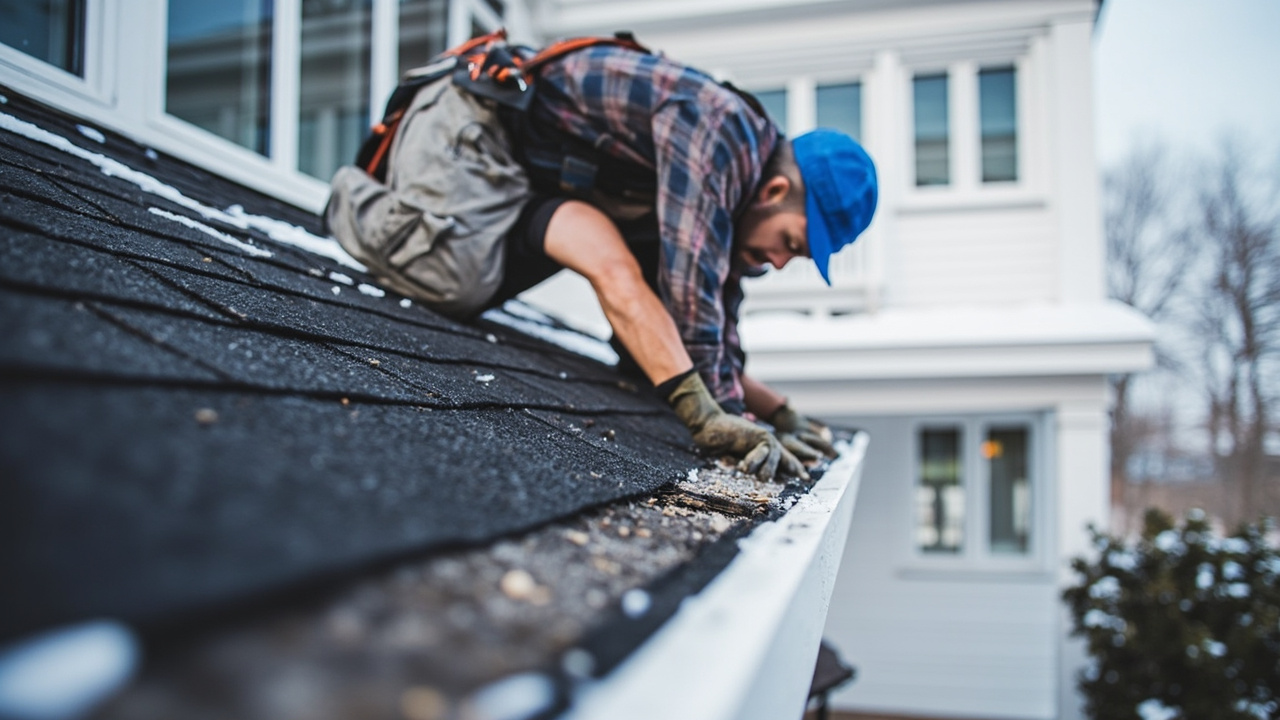
Highland Heights weather patterns that affect your roof repair decision
The Cleveland area experiences some of the most challenging weather conditions for roofing materials in the Midwest. Lake Erie creates unique microclimates that directly impact roof longevity in Highland Heights.
Winter brings heavy lake-effect snow that can pile up on your roof. This snow melts during brief warm spells then refreezes at night creating ice dams along your eaves. These ice formations force water under shingles leading to leaks even in areas that look intact from the ground.
Spring and fall bring frequent freeze-thaw cycles. Water seeps into tiny cracks in aging shingles. When temperatures drop this water expands creating larger cracks. This cycle repeats throughout the seasons gradually destroying the roof’s protective barrier.
Summer humidity levels in Northeast Ohio promote moss and algae growth especially on north-facing roof sections. These organisms retain moisture against your shingles accelerating deterioration. Homes in wooded areas of Highland Heights near the Cleveland Metroparks often see more rapid growth than those in open areas.
Wind gusts off Lake Erie can reach 50-60 mph during storms. These winds catch loose or aging shingles lifting them away from the roof deck. Once a few shingles fail the wind gets under adjacent ones creating a cascading effect across entire roof sections.
5 signs your roof only needs a repair
Not every roofing problem requires a full replacement. Here are five situations where a partial repair makes financial sense for Highland Heights homeowners.
- Isolated wind damage – If a recent storm blew off shingles from one area while the rest of your roof remains intact you might only need that section replaced. Look for uniform damage patterns rather than random missing shingles throughout the roof.
- Single leak source – When water stains appear in one location and inspection reveals a specific problem like damaged flashing around a chimney or vent pipe a targeted repair often solves the issue. Multiple leak locations suggest system-wide failure.
- Recent installation – Roofs under 10 years old with localized damage rarely need complete replacement. The unaffected areas still have years of life remaining making repairs the economical choice.
- Impact damage – Hail damage or falling tree limbs might affect only certain sections. If the impact created visible dents or holes in specific areas while surrounding shingles remain flexible and granule-covered repairs suffice.
- Flashing problems – Failed sealants around chimneys skylights or wall intersections cause many leaks. These issues concentrate in specific areas rather than spreading across the entire roof surface.
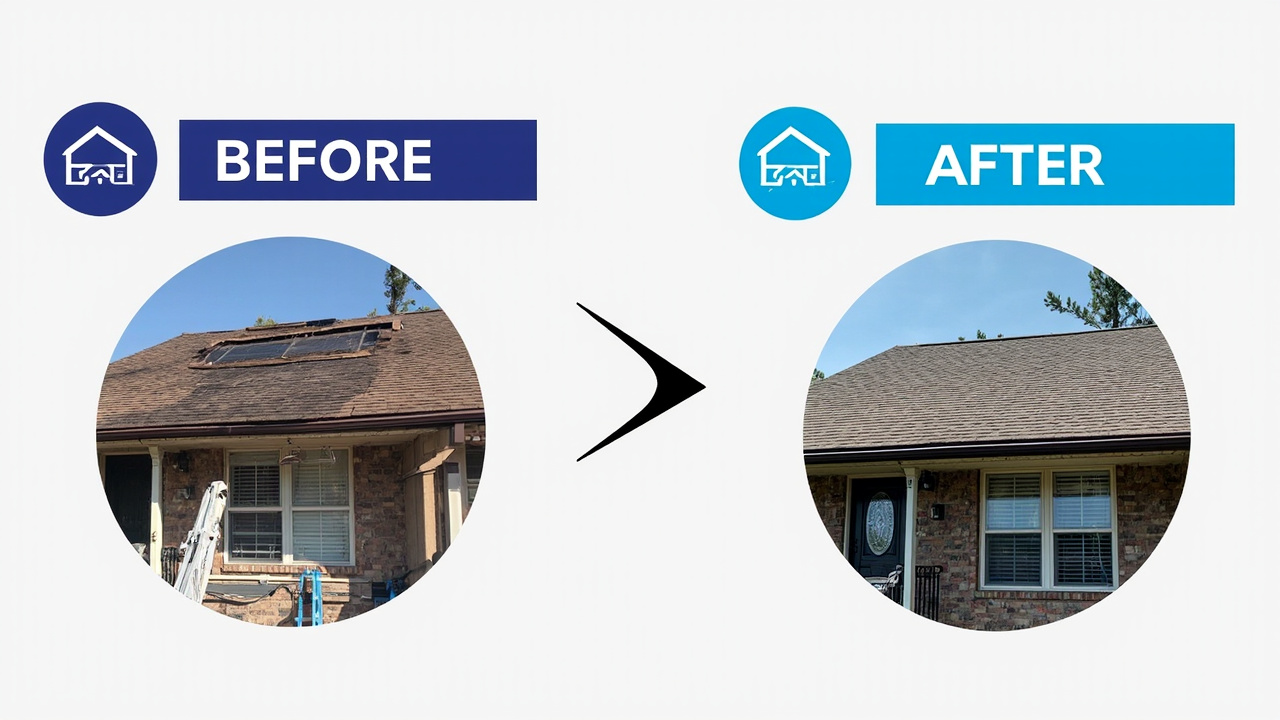
When total replacement becomes unavoidable
Certain conditions make partial repairs ineffective and wasteful. Understanding these scenarios helps you avoid throwing money at a failing system.
Age stands as the primary factor. Most asphalt shingle roofs in Cleveland last 20-25 years under normal conditions. If your roof approaches or exceeds this age range repairs become temporary fixes. The underlying materials have simply reached their chemical and physical limits.
Widespread granule loss indicates advanced deterioration. Asphalt shingles lose their protective granules as they age. When large sections appear bald or you find excessive granules in your gutters the shingles can no longer protect your home effectively. This condition affects entire roof planes rather than isolated areas.
Structural sagging suggests water damage has compromised your roof deck. This situation requires complete removal down to the decking. Partial repairs cannot address the underlying structural issues that cause sagging.
Multiple leak locations over different seasons point to systemic failure. If you repaired one leak last year and now face another in a different area your roof’s waterproofing layer has likely failed across large sections.
Ice dam damage that recurs yearly often means your attic lacks proper ventilation. While you might repair the visible damage the underlying cause continues to create new problems each winter. A full replacement with improved ventilation systems solves both the symptoms and the cause.
Cost comparison for Highland Heights homeowners
Understanding the financial implications helps you make informed decisions. Here’s how repair and replacement costs typically break down in the Highland Heights area.
| Repair Type | Typical Cost Range | Average Timeline |
|---|---|---|
| Spot repair (10-20 sq ft) | $300 – $800 | 1-2 days |
| Section repair (100-200 sq ft) | $1,200 – $2,500 | 2-3 days |
| Full replacement (1,500 sq ft) | $8,000 – $15,000 | 2-5 days |
| Premium materials upgrade | $12,000 – $20,000 | 3-6 days |
These figures reflect current 2026 pricing in the Greater Cleveland area. Your specific costs depend on roof complexity accessibility and material choices. Colonial and split-level homes common in Highland Heights typically fall in the middle of these ranges while complex multi-gabled roofs cost more.
Consider the long-term value proposition. A $2,000 repair on a 22-year-old roof might last 2-3 years. The same investment applied to a new roof could provide 20+ years of protection. Factor in potential water damage from delayed replacement which can multiply repair costs through interior damage.
Insurance considerations for storm damage
Ohio homeowners insurance policies handle roof damage differently based on the cause and your roof’s age. Understanding these distinctions affects your repair versus replacement decision.
Sudden damage from covered perils like wind hail or falling trees typically receives full replacement coverage if the damage affects a significant portion of the roof. Insurance companies often use the 10% rule – if damage exceeds 10% of total roof area they may approve replacement rather than repair.
Age limitations affect coverage. Many policies reduce replacement benefits for roofs over 15-20 years old. Some insurers pay only the depreciated value rather than full replacement cost for older roofs. This reduction can make replacement less financially attractive despite the damage extent.
Maintenance-related damage usually falls outside coverage. Ice dam formation from poor attic ventilation gradual wear from sun exposure or damage from overhanging tree branches you failed to trim typically require out-of-pocket payment.
Document everything when filing claims. Take photos before cleanup measure damaged areas and keep receipts for emergency repairs. Insurance adjusters work more favorably with detailed documentation especially when determining whether repair or replacement serves as the appropriate solution.
Consider getting your own inspection before filing claims. Public adjusters or experienced roofing contractors can identify damage extent and help you understand whether insurance will cover repair or require replacement. This knowledge prevents surprises during the claims process.
Building permit requirements in Highland Heights
Local regulations affect your roofing project timeline and cost. Highland Heights follows Cuyahoga County building codes with specific requirements for both repairs and replacements.
Minor repairs under 100 square feet typically don’t require permits. These include replacing individual shingles fixing small leak areas or repairing isolated flashing. However any work affecting the roof structure or covering large areas needs proper permitting.
Full replacements require permits that ensure compliance with current building codes. These permits verify that your contractor installs proper ice and water shield along eaves and in valleys as required by Ohio code. They also confirm adequate attic ventilation which prevents ice dam formation.
Permit costs range from $100 to $300 depending on project scope. While this adds to your project cost it provides protection through required inspections. These inspections verify proper installation techniques that affect your roof’s long-term performance.
Historic districts or homes with specific architectural features might face additional requirements. While Highland Heights doesn’t have designated historic districts some older neighborhoods near the city center have architectural review boards that influence material choices.
Always verify your contractor pulls proper permits. Unpermitted work creates liability issues if you sell your home later. It also voids manufacturer warranties which often require code-compliant installation for coverage validation.
Making your final decision
Several factors should guide your ultimate choice between repair and replacement. Consider these elements together rather than focusing on any single factor.
Roof age compared to typical lifespan provides the first indicator. If your roof approaches or exceeds the 20-25 year expectancy for your material type replacement often proves more economical long-term even if current damage seems minor.
Damage extent and pattern matter significantly. Isolated damage affecting less than 10% of total roof area with the rest of the system in good condition usually justifies repair. Multiple damaged areas or damage affecting critical roof sections like valleys or ridges suggests replacement.
Future plans influence the decision. If you plan to sell within 2-3 years a repair might suffice. For long-term ownership replacement provides better protection against water damage and improves energy efficiency through modern underlayment and ventilation.
Budget constraints affect immediate choices but consider total cost of ownership. A $2,000 repair might seem attractive but if it only delays inevitable replacement by 2 years you’ve spent money without solving the underlying problem. Some contractors offer financing that makes replacement more accessible.
Energy efficiency improvements often accompany replacement. Modern roofing systems include better insulation ventilation and reflective materials that reduce cooling costs. These benefits don’t come with simple repairs but add value over replacement’s lifespan.
Consider the disruption factor. Repairs typically finish in 1-2 days while replacements take 2-5 days. Both create some noise and debris but replacements require more extensive site protection and disposal handling.
Professional inspection process
Before deciding on repair or replacement schedule a professional inspection. Quality contractors provide thorough assessments that reveal issues invisible from ground level.
Inspectors examine multiple roof layers during evaluation. They check shingle condition looking for curling cracking and granule loss. They inspect flashing around chimneys vents and wall intersections where leaks commonly develop. They assess gutter systems since poor drainage accelerates roof deterioration.
Attic inspection reveals critical information. Water stains on rafters or decking indicate active leaks even if exterior damage seems minimal. Proper insulation and ventilation affect roof longevity significantly. Inspectors measure attic temperature and humidity which influence ice dam formation potential.
Core sampling sometimes helps determine roof layers. Multiple shingle layers trap heat and reduce lifespan. Building codes limit roof layers to two before requiring complete removal. Knowing your current layer count affects replacement cost and timeline.
Digital imaging technology helps document findings. Contractors use drones or cameras to photograph hard-to-reach areas. These images help you understand damage extent and make informed decisions about repair versus replacement.
Request written estimates that detail the scope of work materials and timeline. Compare proposals from multiple contractors focusing on their assessment reasoning rather than just bottom-line price. The cheapest option rarely provides the best long-term value.
Protecting your investment
Whether you choose repair or replacement protect your investment through proper maintenance. Regular inspections catch problems early when they remain inexpensive to fix.
Clean gutters twice yearly prevent water backup under shingles. Clogged gutters cause water to overflow and seep under roof edges. This moisture damages fascia boards and creates ideal conditions for ice dam formation in winter.
Trim overhanging branches reduce debris accumulation and prevent impact damage during storms. Limbs hanging over your roof deposit leaves that hold moisture against shingles. They also provide pathways for squirrels and raccoons that can damage roofing materials.
Check attic ventilation annually. Proper airflow prevents heat buildup that ages shingles prematurely. It also maintains consistent roof deck temperature reducing ice dam formation. Most homes need 1 square foot of ventilation per 150 square feet of attic space.
Address small problems immediately. A missing shingle or loose flashing might seem minor but creates entry points for water. Quick repairs prevent the cascade effect where initial damage leads to more extensive problems.
Document all maintenance and repairs. Keep records of inspections repairs and replacements. This documentation helps if you sell your home and demonstrates proper roof maintenance to potential buyers.
Consider professional maintenance agreements. Many contractors offer annual inspection services that catch problems early. These agreements often include priority service and discounted repair rates making them cost-effective for long-term homeowners.
Frequently Asked Questions
How long does a partial roof repair typically last in Cleveland’s climate?
A quality partial repair in Cleveland usually lasts 3-7 years depending on the extent of damage and remaining roof life. Repairs on roofs under 10 years old often last longer than those on older systems. Highland Heights’ freeze-thaw cycles and lake-effect snow can reduce repair longevity compared to milder climates.
Will a partial repair affect my home’s resale value?
Partial repairs don’t significantly impact resale value if the rest of the roof remains in good condition. However multiple repairs over time might concern buyers about underlying issues. A complete roof replacement typically provides better return on investment when selling your Highland Heights home.
Can I stay in my home during roof repair or replacement?
You can usually stay during repairs as they finish in 1-2 days with minimal disruption. For replacements most homeowners remain in the house but should prepare for noise and some vibration. The work creates dust and debris so cover belongings in attic spaces and keep children and pets away from work areas.
How do I know if my contractor is recommending repair to avoid replacement work?
Request detailed inspection reports with photos showing specific damage. Reputable contractors explain their reasoning and provide multiple options with cost-benefit analysis. Be wary of contractors who recommend replacement without thorough inspection or those who suggest repair without explaining the remaining roof life expectancy.
What warranty coverage applies to partial repairs versus full replacement?
Repair warranties typically cover 1-5 years for labor and materials. Full replacement warranties often extend 20-50 years depending on shingle quality. Manufacturer warranties for replacement usually require complete tear-off and installation by certified contractors. Repair warranties might exclude issues in unrepaired adjacent areas.
Take action today
Don’t let roof damage worsen while you debate repair versus replacement. Schedule a comprehensive inspection with a qualified Highland Heights roofing contractor. Professional assessment reveals the true condition of your roof and provides clear recommendations based on your specific situation.
Early intervention prevents minor issues from becoming major problems. Water damage spreads quickly through roof decking and into your home’s interior. The cost of delayed action often exceeds the price difference between timely repair and replacement.
Choose a contractor familiar with Cleveland’s unique weather challenges and building requirements. Local experience matters when dealing with ice dams lake-effect snow and freeze-thaw damage specific to Northeast Ohio. Ask about their experience with homes similar to yours in the Highland Heights area.
Contact a qualified roofing professional today for your free inspection. Understanding your options now saves money and prevents headaches later. Your home deserves protection that matches Cleveland’s demanding climate conditions.
Don’t wait until water stains appear on your ceiling. Take control of your roof’s condition before emergency repairs become necessary. Your future self will thank you for making the right decision today.
{
“@context”: “https://schema.org”,
“@type”: “BlogPosting”,
“headline”: “Is a partial roof replacement a smart move or a waste of money for your Highland Heights home?”,
“description”: “Discover if repairing just part of your roof makes sense in Highland Heights. Learn about Cleveland weather damage, costs, and when full replacement is the smarter choice.”,
“wordCount”: 2604,
“datePublished”: “2026-04-13T08:04:00.000Z”,
“dateModified”: “2026-04-13T08:04:00.000Z”,
“inLanguage”: “en-US”,
“mainEntityOfPage”: {
“@type”: “WebPage”,
“@id”: “https://alpharoofingcleveland.com”
},
“publisher”: {
“@type”: “LocalBusiness”,
“name”: “Alpha Roofing Cleveland”,
“url”: “https://alpharoofingcleveland.com”
},
“author”: {
“@type”: “Organization”,
“name”: “Alpha Roofing Cleveland”,
“url”: “https://alpharoofingcleveland.com”
},
“image”: {
“@type”: “ImageObject”,
“url”: “https://alpharoofingcleveland.com/wp-content/uploads/2026/03/is-a-partial-roof-replacement-a-smart-move-or-a-wa-1.jpg”
}
}
{
“@context”: “https://schema.org”,
“@type”: “RoofingContractor”,
“name”: “Alpha Roofing Cleveland”,
“url”: “https://alpharoofingcleveland.com”,
“address”: {
“@type”: “PostalAddress”,
“addressLocality”: “Cleveland”
},
“areaServed”: {
“@type”: “City”,
“name”: “Cleveland”
}
}
{
“@context”: “https://schema.org”,
“@type”: “FAQPage”,
“mainEntity”: [
{
“@type”: “Question”,
“name”: “How long does a partial roof repair typically last in Cleveland’s climate?”,
“acceptedAnswer”: {
“@type”: “Answer”,
“text”: “A quality partial repair in Cleveland usually lasts 3-7 years depending on the extent of damage and remaining roof life. Repairs on roofs under 10 years old often last longer than those on older systems. Highland Heights’ freeze-thaw cycles and lake-effect snow can reduce repair longevity compared to milder climates.”
}
},
{
“@type”: “Question”,
“name”: “Will a partial repair affect my home’s resale value?”,
“acceptedAnswer”: {
“@type”: “Answer”,
“text”: “Partial repairs don’t significantly impact resale value if the rest of the roof remains in good condition. However multiple repairs over time might concern buyers about underlying issues. A complete roof replacement typically provides better return on investment when selling your Highland Heights home.”
}
},
{
“@type”: “Question”,
“name”: “Can I stay in my home during roof repair or replacement?”,
“acceptedAnswer”: {
“@type”: “Answer”,
“text”: “You can usually stay during repairs as they finish in 1-2 days with minimal disruption. For replacements most homeowners remain in the house but should prepare for noise and some vibration. The work creates dust and debris so cover belongings in attic spaces and keep children and pets away from work areas.”
}
},
{
“@type”: “Question”,
“name”: “How do I know if my contractor is recommending repair to avoid replacement work?”,
“acceptedAnswer”: {
“@type”: “Answer”,
“text”: “Request detailed inspection reports with photos showing specific damage. Reputable contractors explain their reasoning and provide multiple options with cost-benefit analysis. Be wary of contractors who recommend replacement without thorough inspection or those who suggest repair without explaining the remaining roof life expectancy.”
}
},
{
“@type”: “Question”,
“name”: “What warranty coverage applies to partial repairs versus full replacement?”,
“acceptedAnswer”: {
“@type”: “Answer”,
“text”: “Repair warranties typically cover 1-5 years for labor and materials. Full replacement warranties often extend 20-50 years depending on shingle quality. Manufacturer warranties for replacement usually require complete tear-off and installation by certified contractors. Repair warranties might exclude issues in unrepaired adjacent areas.”
}
}
]
}
{
“@context”: “https://schema.org”,
“@type”: “BreadcrumbList”,
“itemListElement”: [
{
“@type”: “ListItem”,
“position”: 1,
“name”: “Home”,
“item”: “https://alpharoofingcleveland.com”
},
{
“@type”: “ListItem”,
“position”: 2,
“name”: “Blog”,
“item”: “https://alpharoofingcleveland.com/blog”
},
{
“@type”: “ListItem”,
“position”: 3,
“name”: “Is a partial roof replacement a smart move or a waste of money for your Highland Heights home?”
}
]
}
{
“@context”: “https://schema.org”,
“@type”: “Service”,
“serviceType”: “Roofing”,
“provider”: {
“@type”: “LocalBusiness”,
“name”: “Alpha Roofing Cleveland”,
“url”: “https://alpharoofingcleveland.com”
},
“areaServed”: {
“@type”: “City”,
“name”: “Cleveland”
},
“description”: “Discover if repairing just part of your roof makes sense in Highland Heights. Learn about Cleveland weather damage, costs, and when full replacement is the smarter choice.”
}
For more information, visit FEMA ice dam prevention guide.