
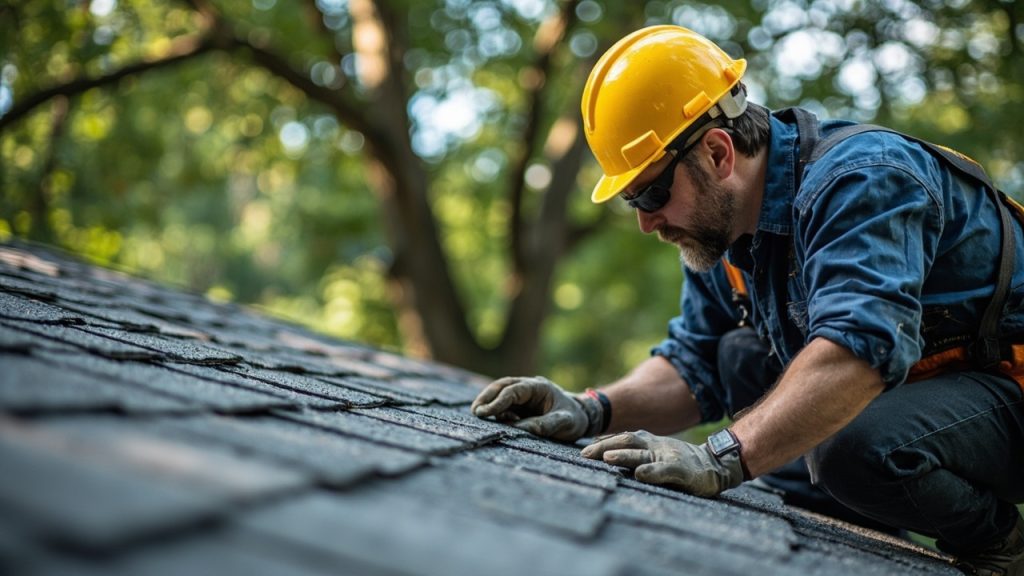
Protecting Your Brecksville Roof from Falling Branches and Heavy Wooded Shade
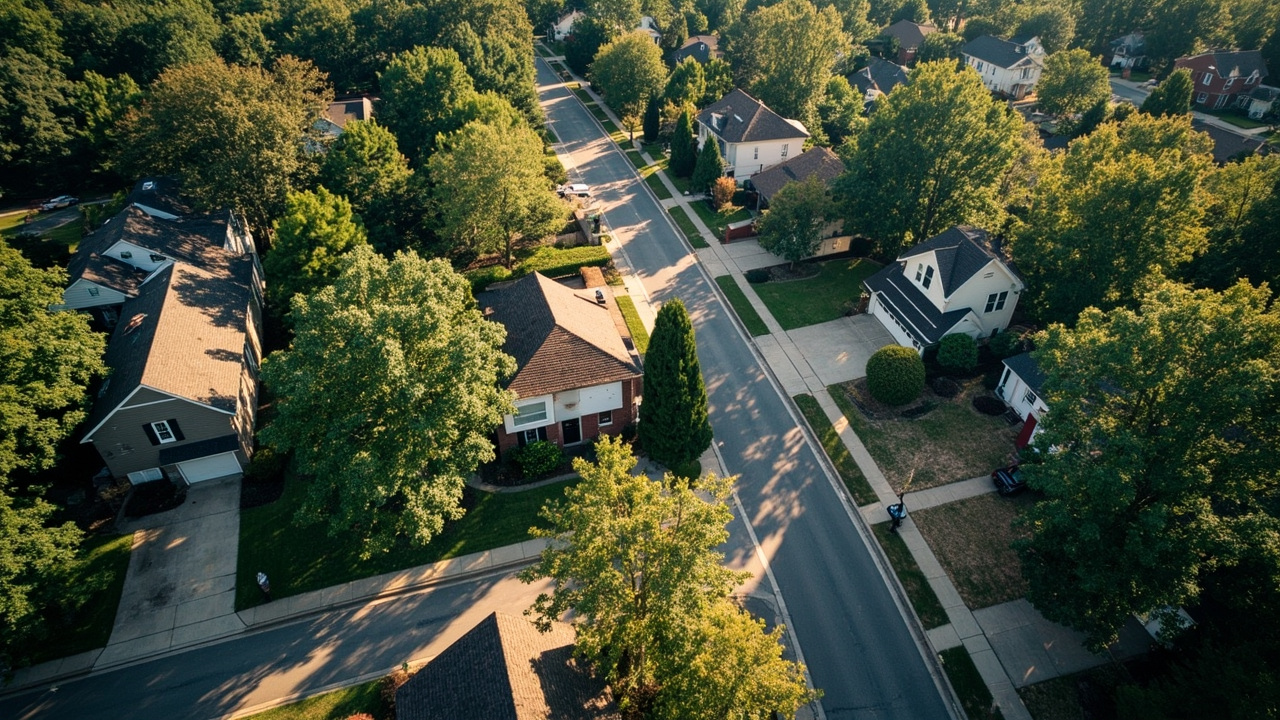
Living in Brecksville means enjoying the natural beauty of the MetroParks and heavily wooded lots that surround many homes. But that same natural beauty creates unique challenges for your roof. Falling branches during storms and constant shade from mature trees can lead to serious damage if left unaddressed. Understanding these risks and taking proactive steps will help protect your home and extend the life of your roof.
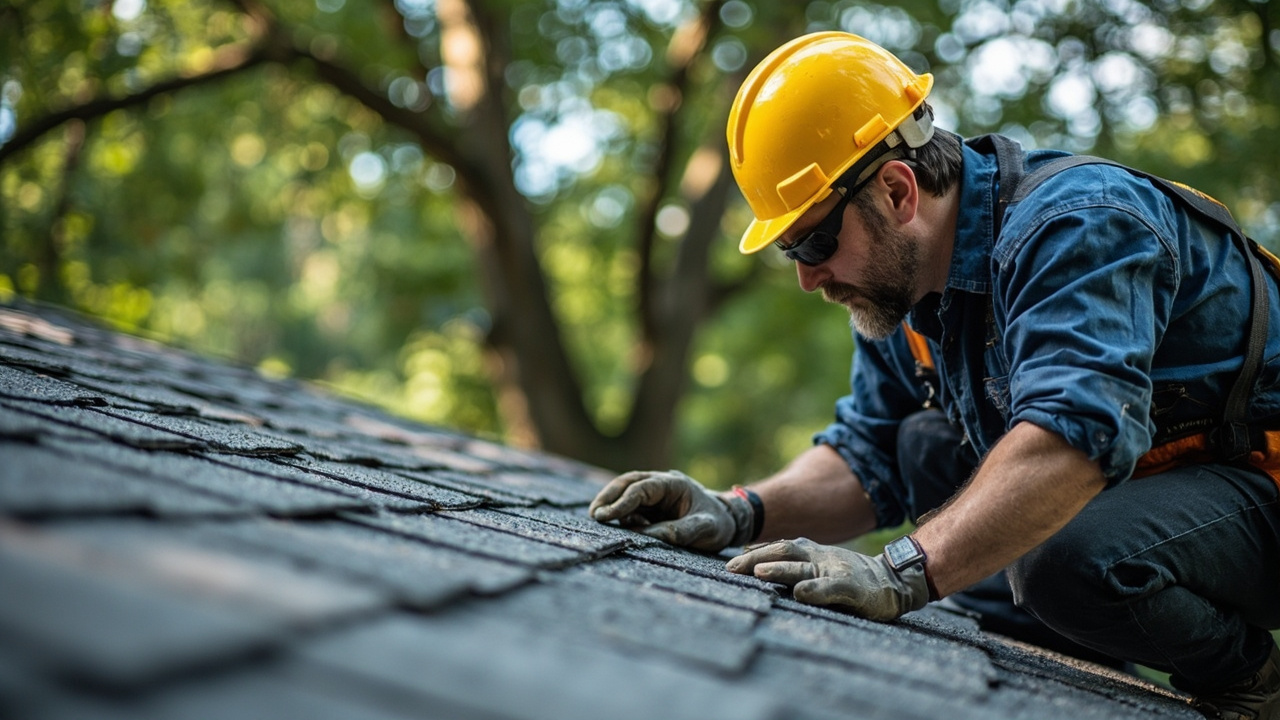
Why Brecksville’s Wooded Environment Puts Your Roof at Risk
Brecksville sits at the edge of the Cuyahoga Valley with mature hardwood trees like oak, maple, and hickory common throughout residential areas. These trees provide beautiful shade but also create several roofing hazards that homeowners need to understand.
Tree Branch Impact Damage
During severe weather events common to Northeast Ohio heavy branches can break off and fall onto roofs causing immediate structural damage. Even smaller branches can dislodge shingles or create punctures in roofing materials when driven by high winds off the nearby valley.
Moisture Trapping from Excessive Shade
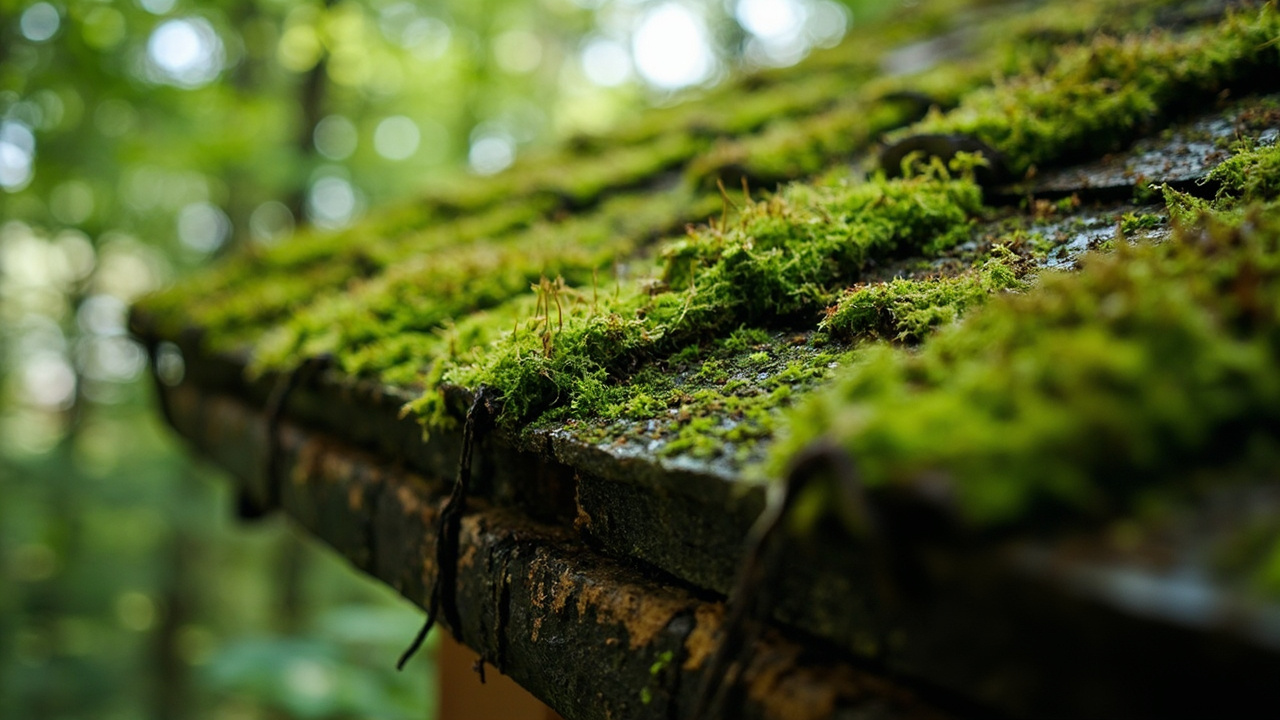
Roofs that remain shaded for most of the day don’t dry properly after rain or snow. This constant moisture creates the perfect environment for moss algae and lichen growth which can deteriorate roofing materials over time. The moisture also accelerates rot in wooden roof components.
Gutter Clogging and Water Backup
Leaves twigs and small branches from overhanging trees accumulate in gutters creating blockages. When water cannot flow properly it backs up under shingles and can cause leaks in your attic and walls. This is particularly problematic during Brecksville’s heavy spring rains and winter snowmelt.
Common Roofing Materials and Their Performance in Wooded Areas
Different roofing materials handle the challenges of wooded environments differently. Understanding these differences helps you make informed decisions about roof maintenance and replacement.
| Material Type | Pros for Wooded Areas | Cons for Wooded Areas | Lifespan |
|---|---|---|---|
| Asphalt Shingles | Cost-effective good impact resistance when Class 4 rated | Prone to moss growth in shade requires more frequent cleaning | 15-30 years |
| Metal Roofing | Excellent moss resistance sheds debris well | Can dent from large branch impact more expensive upfront | 40-70 years |
| Slate Tiles | Extremely durable resists biological growth | Very heavy requires structural support expensive | 75-100 years |
| Wood Shakes | Natural appearance blends with wooded setting | Highly susceptible to rot and moss requires intensive maintenance | 20-25 years |
Essential Tree Management Strategies for Roof Protection
Proper tree management is your first line of defense against roof damage. Here are the key strategies every Brecksville homeowner should implement.
Regular Tree Trimming Schedule
Establish a routine trimming schedule with a certified arborist. Focus on removing branches that overhang your roof or are within six feet of your home. This distance provides adequate clearance to prevent damage from falling branches and reduces the amount of debris that reaches your roof.
Dead Tree Removal
Dead or dying trees pose the highest risk for catastrophic roof damage. These trees are more likely to lose large branches or fall entirely during storms. Have any dead trees on your property removed promptly especially those within striking distance of your home.
Root System Management
While roots don’t directly damage roofs they can affect your home’s foundation. Foundation shifts can cause roof alignment issues leading to leaks and structural problems. Monitor tree placement and consider root barriers for large trees planted too close to your home.
Moisture Control and Prevention Techniques
Managing moisture is critical in wooded areas where shade prevents natural drying. Implement these techniques to protect your roof from moisture-related damage.
Improved Roof Ventilation
Proper attic ventilation allows moisture to escape and prevents condensation buildup. Ridge vents soffit vents and attic fans work together to create airflow that keeps your roof deck dry. This is especially important in shaded areas where natural evaporation is limited.
Algae and Moss Prevention Treatments
Apply zinc or copper strips near the roof peak. When it rains these metals release trace amounts that flow down the roof surface inhibiting algae and moss growth. This preventive measure is particularly effective in Brecksville’s humid climate and shaded conditions.
Regular Roof Cleaning Schedule
Schedule professional roof cleaning every 2-3 years to remove accumulated debris moss and algae. This prevents organic material from breaking down roofing materials and extends your roof’s lifespan. Always hire professionals who use soft washing techniques to avoid damaging shingles.
Seasonal Maintenance Checklist for Brecksville Homes
Different seasons bring different challenges for roofs in wooded areas. Follow this maintenance schedule to stay ahead of potential problems.
Spring Maintenance
- Inspect for winter damage from ice and snow
- Clean gutters and downspouts thoroughly
- Check for moss or algae growth
- Trim any branches damaged by winter storms
Summer Maintenance
- Look for loose or missing shingles
- Check flashing around chimneys and vents
- Monitor for signs of pest infestation in the attic
- Ensure proper attic ventilation
Fall Maintenance
- Remove leaves and debris from roof surface
- Clean gutters multiple times as leaves fall
- Trim branches before winter storms arrive
- Check for any damage from summer storms
Winter Maintenance
- Monitor for ice dam formation
- Remove heavy snow accumulation safely
- Check for interior signs of leaks after storms
- Ensure attic insulation is adequate to prevent heat loss
Emergency Response to Tree Damage
Despite preventive measures tree damage can still occur. Knowing how to respond quickly can minimize damage to your home.
Immediate Steps After Tree Impact
- Ensure everyone’s safety and evacuate if necessary
- Document the damage with photos for insurance purposes
- Cover the damaged area with a tarp if safe to do so
- Call a professional roofing contractor immediately
Insurance Considerations
Most homeowner’s insurance policies cover damage from falling trees if the damage is sudden and accidental. Review your policy to understand coverage limits and deductibles. Document all damage thoroughly and keep receipts for emergency repairs. EPA Indoor Air Quality for Older Adults.
Professional Assessment Timeline
After tree damage occurs have your roof professionally inspected within 24-48 hours. Even if damage appears minor underlying structural issues may exist. A professional can identify problems that aren’t visible from the ground.
Choosing the Right Roofing Contractor in Brecksville
Selecting a contractor who understands Brecksville’s unique challenges is crucial for proper roof protection and repair.
Local Experience Matters
Choose a contractor familiar with Brecksville’s building codes and the specific challenges of wooded properties. Local contractors understand how the area’s weather patterns soil conditions and tree species affect roofing systems.
Proper Licensing and Insurance
Verify that your contractor holds proper Ohio licensing and carries both liability insurance and worker’s compensation. This protects you from liability if accidents occur during tree removal or roof repair work.
References from Similar Properties
Ask for references from other Brecksville homeowners with wooded properties. Contractors experienced with similar homes will better understand the specific challenges and solutions needed for your situation.
Long-Term Protection Strategies
Protecting your roof from wooded area challenges requires ongoing attention and investment. These long-term strategies provide the best protection for your home.
Strategic Tree Planting
When planting new trees maintain adequate distance from your home based on the tree’s mature size. Research species that are less likely to drop branches or produce excessive debris. Consider the tree’s growth pattern and how it will affect your roof in 20-30 years.
Regular Professional Inspections
Schedule professional roof inspections every two years even if no obvious problems exist. Professionals can identify early signs of moisture damage structural issues or material deterioration that homeowners might miss.
Investment in Quality Materials
While premium roofing materials cost more upfront they often provide better protection in challenging environments. Impact-resistant shingles algae-resistant treatments and enhanced underlayment can significantly extend your roof’s lifespan in wooded areas.
Frequently Asked Questions
How close should trees be to my roof to prevent damage?
Maintain at least six feet of clearance between tree branches and your roof. For larger trees that could fall consider a distance equal to the tree’s mature height from your home.
What are the signs that tree branches are damaging my roof?
Look for missing or damaged shingles granules in gutters moss or algae growth on shaded areas and water stains on interior ceilings. Regular attic inspections can reveal early signs of roof damage.
How often should I clean my roof in a wooded area?
Schedule professional roof cleaning every 2-3 years. However you may need more frequent cleaning if you have many trees that drop leaves needles or sap onto your roof.
Can moss and algae really damage my roof?
Yes moss and algae retain moisture against roofing materials causing deterioration. Moss can lift shingles allowing water infiltration and algae can break down asphalt shingles over time.
What should I do if a tree falls on my roof during a storm?
Ensure everyone’s safety evacuate if necessary document the damage with photos cover the area with a tarp if safe and call a professional roofing contractor immediately for emergency repairs.
Are metal roofs better than asphalt shingles for wooded areas?
Metal roofs shed debris better resist moss growth and last longer but they can dent from large branch impacts. Asphalt shingles are more affordable but require more maintenance in wooded environments.
How can I prevent ice dams if my roof is shaded?
Ensure proper attic insulation and ventilation to maintain consistent roof temperature. Remove snow from shaded areas when it exceeds six inches and consider installing heat cables in problem areas.
What building codes in Brecksville affect roof maintenance near trees?
Brecksville follows Cuyahoga County building codes which require proper flashing and underlayment in areas prone to moisture. Local ordinances may also regulate tree trimming near property lines and utility lines.
How much does professional tree trimming near roofs typically cost?
Professional tree trimming costs vary based on tree size accessibility and amount of work needed. Most homeowners in wooded areas spend between $300-$800 annually on professional tree maintenance.
Should I remove all trees near my house for maximum roof protection?
No selective trimming is usually sufficient. Trees provide valuable shade energy savings and aesthetic benefits. Work with an arborist to maintain trees safely rather than removing them entirely.
{
“@context”: “https://schema.org”,
“@type”: “BlogPosting”,
“headline”: “Protecting Your Brecksville Roof from Falling Branches and Heavy Wooded Shade”,
“description”: “Learn how Brecksville’s wooded lots and MetroParks proximity create unique roofing risks. Get expert tips on preventing tree damage, moisture issues, and proper maintenance.”,
“wordCount”: 1659,
“datePublished”: “2026-02-10T11:56:00.000Z”,
“dateModified”: “2026-02-10T11:56:00.000Z”,
“inLanguage”: “en-US”,
“mainEntityOfPage”: {
“@type”: “WebPage”,
“@id”: “https://alpharoofingcleveland.com”
},
“publisher”: {
“@type”: “LocalBusiness”,
“name”: “Alpha Roofing Cleveland”,
“url”: “https://alpharoofingcleveland.com”
},
“author”: {
“@type”: “Organization”,
“name”: “Alpha Roofing Cleveland”,
“url”: “https://alpharoofingcleveland.com”
},
“image”: {
“@type”: “ImageObject”,
“url”: “https://alpharoofingcleveland.com/wp-content/uploads/2026/03/protecting-your-brecksville-roof-from-falling-bran-1.jpg”
}
}
{
“@context”: “https://schema.org”,
“@type”: “RoofingContractor”,
“name”: “Alpha Roofing Cleveland”,
“url”: “https://alpharoofingcleveland.com”,
“address”: {
“@type”: “PostalAddress”,
“addressLocality”: “Cleveland”
},
“areaServed”: {
“@type”: “City”,
“name”: “Cleveland”
}
}
{
“@context”: “https://schema.org”,
“@type”: “FAQPage”,
“mainEntity”: [
{
“@type”: “Question”,
“name”: “How close should trees be to my roof to prevent damage?”,
“acceptedAnswer”: {
“@type”: “Answer”,
“text”: “Maintain at least six feet of clearance between tree branches and your roof. For larger trees that could fall consider a distance equal to the tree’s mature height from your home.”
}
},
{
“@type”: “Question”,
“name”: “What are the signs that tree branches are damaging my roof?”,
“acceptedAnswer”: {
“@type”: “Answer”,
“text”: “Look for missing or damaged shingles granules in gutters moss or algae growth on shaded areas and water stains on interior ceilings. Regular attic inspections can reveal early signs of roof damage.”
}
},
{
“@type”: “Question”,
“name”: “How often should I clean my roof in a wooded area?”,
“acceptedAnswer”: {
“@type”: “Answer”,
“text”: “Schedule professional roof cleaning every 2-3 years. However you may need more frequent cleaning if you have many trees that drop leaves needles or sap onto your roof.”
}
},
{
“@type”: “Question”,
“name”: “Can moss and algae really damage my roof?”,
“acceptedAnswer”: {
“@type”: “Answer”,
“text”: “Yes moss and algae retain moisture against roofing materials causing deterioration. Moss can lift shingles allowing water infiltration and algae can break down asphalt shingles over time.”
}
},
{
“@type”: “Question”,
“name”: “What should I do if a tree falls on my roof during a storm?”,
“acceptedAnswer”: {
“@type”: “Answer”,
“text”: “Ensure everyone’s safety evacuate if necessary document the damage with photos cover the area with a tarp if safe and call a professional roofing contractor immediately for emergency repairs.”
}
},
{
“@type”: “Question”,
“name”: “Are metal roofs better than asphalt shingles for wooded areas?”,
“acceptedAnswer”: {
“@type”: “Answer”,
“text”: “Metal roofs shed debris better resist moss growth and last longer but they can dent from large branch impacts. Asphalt shingles are more affordable but require more maintenance in wooded environments.”
}
},
{
“@type”: “Question”,
“name”: “How can I prevent ice dams if my roof is shaded?”,
“acceptedAnswer”: {
“@type”: “Answer”,
“text”: “Ensure proper attic insulation and ventilation to maintain consistent roof temperature. Remove snow from shaded areas when it exceeds six inches and consider installing heat cables in problem areas.”
}
},
{
“@type”: “Question”,
“name”: “What building codes in Brecksville affect roof maintenance near trees?”,
“acceptedAnswer”: {
“@type”: “Answer”,
“text”: “Brecksville follows Cuyahoga County building codes which require proper flashing and underlayment in areas prone to moisture. Local ordinances may also regulate tree trimming near property lines and utility lines.”
}
},
{
“@type”: “Question”,
“name”: “How much does professional tree trimming near roofs typically cost?”,
“acceptedAnswer”: {
“@type”: “Answer”,
“text”: “Professional tree trimming costs vary based on tree size accessibility and amount of work needed. Most homeowners in wooded areas spend between $300-$800 annually on professional tree maintenance.”
}
},
{
“@type”: “Question”,
“name”: “Should I remove all trees near my house for maximum roof protection?”,
“acceptedAnswer”: {
“@type”: “Answer”,
“text”: “No selective trimming is usually sufficient. Trees provide valuable shade energy savings and aesthetic benefits. Work with an arborist to maintain trees safely rather than removing them entirely.”
}
}
]
}
{
“@context”: “https://schema.org”,
“@type”: “BreadcrumbList”,
“itemListElement”: [
{
“@type”: “ListItem”,
“position”: 1,
“name”: “Home”,
“item”: “https://alpharoofingcleveland.com”
},
{
“@type”: “ListItem”,
“position”: 2,
“name”: “Blog”,
“item”: “https://alpharoofingcleveland.com/blog”
},
{
“@type”: “ListItem”,
“position”: 3,
“name”: “Protecting Your Brecksville Roof from Falling Branches and Heavy Wooded Shade”
}
]
}
{
“@context”: “https://schema.org”,
“@type”: “Service”,
“serviceType”: “Roofing”,
“provider”: {
“@type”: “LocalBusiness”,
“name”: “Alpha Roofing Cleveland”,
“url”: “https://alpharoofingcleveland.com”
},
“areaServed”: {
“@type”: “City”,
“name”: “Cleveland”
},
“description”: “Learn how Brecksville’s wooded lots and MetroParks proximity create unique roofing risks. Get expert tips on preventing tree damage, moisture issues, and proper maintenance.”
}
For more information, visit FEMA Tree Protection Guidelines.