
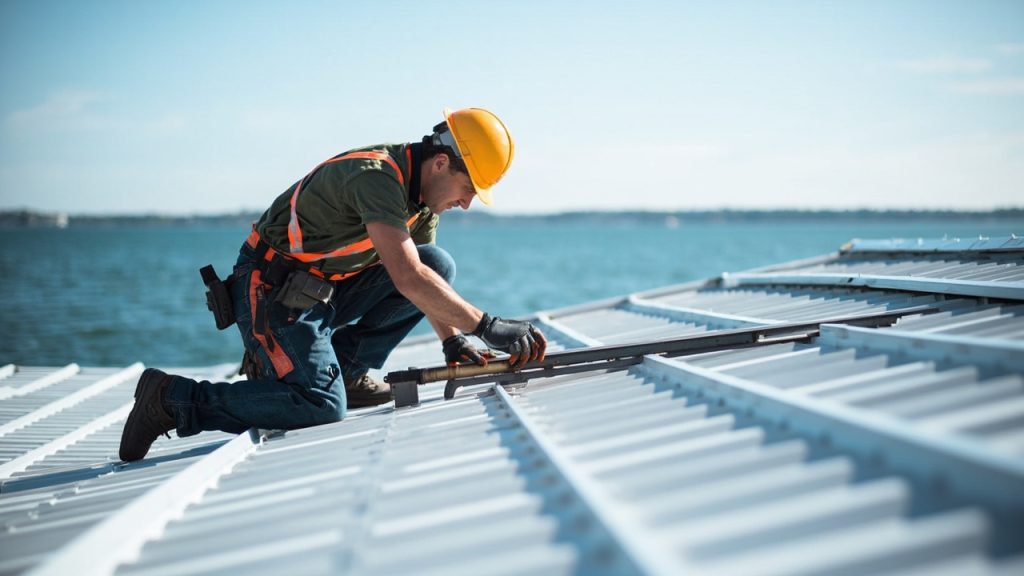
Why Lake Erie’s Climate Demands Specialized Roofing Materials
Lake Erie creates a unique microclimate that challenges every roofing system along the Cleveland shoreline. The combination of high-speed wind gusts, lake-effect snow accumulation, and intense humidity creates conditions that inland homes never face. Properties in Edgewater experience wind speeds that frequently exceed 50 miles per hour during winter storms, while the lake-effect snow can dump over 100 inches annually in some years. These conditions demand roofing materials specifically engineered for freshwater coastal environments.
The freeze-thaw cycles in Northeast Ohio cause dramatic expansion and contraction of roofing materials. During winter, daytime temperatures might reach 35°F while nighttime temperatures plummet to 15°F. This constant movement stresses every component of your roof system, from the decking to the fasteners. Homes in Edgewater face additional challenges from the proximity to the lake, where moisture levels remain consistently higher than neighborhoods even just a few miles inland.
Humidity levels near Lake Erie often exceed 80% during summer months. This persistent moisture creates perfect conditions for algae growth, moss formation, and wood rot in traditional roofing materials. The combination of high humidity and temperature fluctuations also accelerates the corrosion process in metals that aren’t specifically designed for these conditions. Understanding these local factors helps homeowners make informed decisions about their roofing investments.
Top 4 Roofing Materials for Cleveland Lakefront Homes
Choosing the right roofing material for your Edgewater home requires understanding how each option performs in our specific climate. Here’s a comprehensive comparison of the four most effective materials for freshwater coastal environments:
| Material | Wind Rating | Corrosion Resistance | Ice Dam Prevention | Lifespan |
|---|---|---|---|---|
| Aluminum Standing Seam | Class H (150 mph) | Excellent | Excellent | 50+ years |
| Galvanized Steel | Class H (150 mph) | Good | Good | 40-50 years |
| Architectural Asphalt | Class F (110 mph) | Fair | Fair | 25-30 years |
| Synthetic Slate | Class G (90 mph) | Excellent | Excellent | 50+ years |
Aluminum Standing Seam Metal Roofing
Aluminum stands as the gold standard for Lake Erie coastal homes. The material naturally resists corrosion without requiring additional coatings, making it ideal for the high-moisture environment. Aluminum’s lightweight nature reduces stress on your home’s structure while providing exceptional wind resistance. The interlocking panels create a continuous surface that prevents water infiltration even during the most severe storms.
The thermal properties of aluminum help manage the extreme temperature fluctuations common in Cleveland. The material expands and contracts predictably, reducing the stress that causes premature failure in other metals. Additionally, aluminum reflects solar radiation, helping to reduce cooling costs during humid summer months when Edgewater homes can become uncomfortably warm.
Galvanized Steel with Protective Coatings
Modern galvanized steel roofing offers an excellent balance of durability and cost-effectiveness. The galvanization process bonds a protective zinc coating to the steel, creating a barrier against moisture and corrosion. For Lake Erie homes, look for steel with additional protective coatings like Kynar or SMP finishes that provide enhanced resistance to UV radiation and moisture penetration.
Steel provides superior structural strength compared to aluminum, making it an excellent choice for homes that need to withstand heavy snow loads. The material’s rigidity helps prevent the flexing that can occur during high-wind events, maintaining the integrity of your roof system over decades of service.
Wind-Resistance and Uplift Ratings: What Cleveland Homeowners Need to Know
Wind uplift represents one of the most critical factors for Edgewater homeowners. The standard building code in Cuyahoga County requires a minimum Class F rating (110 mph) for most residential structures. However, homes within one mile of Lake Erie should consider Class H ratings (150 mph) for optimal protection.
Wind uplift occurs when high-velocity air creates pressure differences across your roof surface. The faster air moves over the top of your roof, the lower the pressure becomes. This pressure differential can literally lift your roofing materials off the deck if they aren’t properly secured. In Edgewater, where winter storms frequently produce gusts exceeding 60 mph, this phenomenon poses a serious threat to improperly installed roofs.
Understanding wind ratings helps you evaluate roofing proposals accurately. Class F ratings indicate wind resistance up to 110 mph, while Class H ratings protect against winds up to 150 mph. For comparison, Hurricane Katrina produced sustained winds of approximately 125 mph when it made landfall. The enhanced protection of Class H ratings provides peace of mind during severe weather events that are becoming more frequent along the Lake Erie shoreline.
Managing Moisture and Lake-Effect Snow: Ice Dam Prevention
Lake-effect snow creates unique challenges for Cleveland homeowners. The phenomenon occurs when cold air moves across the relatively warm waters of Lake Erie, picking up moisture and energy. This process can produce snowfall rates exceeding 3 inches per hour in narrow bands that might only be a few miles wide. Homes in Edgewater often find themselves directly in these snow bands, receiving significantly more accumulation than neighborhoods just a few miles south.
Ice dams form when heat escaping from your home melts snow on the roof surface. The melted water flows down to the colder eaves, where it refreezes, creating a barrier that traps additional meltwater. This process can cause significant water damage to your roof deck, insulation, and interior walls. The freeze-thaw cycles common in Cleveland accelerate ice dam formation, making prevention crucial for lakefront properties.
Effective ice dam prevention starts with proper attic insulation and ventilation. The goal is to maintain a cold roof surface that prevents snow from melting from below. Current building codes in Cuyahoga County require a minimum R-49 insulation value in attic spaces, though many energy experts recommend R-60 for optimal performance in our climate. Proper ventilation allows cold air to circulate under the roof deck, maintaining consistent temperatures across the entire surface.
Case Study: Recent Lakefront Installation in Lakewood
A recent project in the Edgewater neighborhood demonstrates how proper material selection and installation techniques protect homes from our harsh climate. The homeowners contacted us after noticing water stains on their ceiling following a severe winter storm. Inspection revealed that their 20-year-old asphalt shingles had suffered extensive wind damage, with numerous tabs lifted and cracked from repeated freeze-thaw cycles.
We recommended an aluminum standing seam system with enhanced underlayment protection. The project included installation of a self-adhering ice and water shield extending 36 inches up from the eaves, exceeding the local code requirement of 24 inches. We also installed additional ventilation to address the moisture issues that had contributed to the original roof’s premature failure.
The installation process revealed extensive damage to the original roof deck, including water-damaged plywood and compromised structural members. We replaced all damaged materials and upgraded the ventilation system to include ridge vents and soffit intake vents. The completed system included Class H wind-rated panels with hidden fasteners that eliminate potential leak points. The homeowners reported no issues during the following winter, which included several severe lake-effect snow events.
Freshwater vs. Saltwater Corrosion: Understanding the Differences
Many homeowners mistakenly believe that Lake Erie’s freshwater environment poses minimal corrosion risk to metal roofing. However, the high humidity and frequent temperature fluctuations create conditions that can be equally damaging to improperly selected materials. Understanding these differences helps you choose the right protection for your investment.
Freshwater corrosion typically occurs through electrochemical reactions between dissimilar metals or between metal and moisture. In Cleveland’s climate, this process accelerates due to the combination of high humidity, temperature extremes, and occasional salt exposure from road treatments. The corrosion process can be particularly aggressive on steel roofing that lacks proper protective coatings.
Aluminum offers natural corrosion resistance in freshwater environments because it forms a protective oxide layer when exposed to moisture. This self-healing characteristic makes aluminum ideal for Lake Erie homes, though the material requires proper alloy selection and finishing to maximize its protective properties. Steel roofing requires more robust protection through galvanization and additional coating systems to achieve comparable longevity.
Impact Resistance for Lakefront Hail Storms
Lake Erie’s unique geography creates conditions that can produce severe thunderstorms and occasional hail events. The lake’s relatively warm waters in late summer provide energy that can fuel powerful storm systems. While Cleveland doesn’t experience the frequency of hail damage seen in traditional hail alley states, the potential for significant impact damage exists, particularly for homes in exposed locations like Edgewater.
Impact resistance ratings follow the UL 2218 standard, which tests roofing materials against steel balls dropped from various heights. Class 4 represents the highest rating, indicating the material can withstand impacts from a 2-inch steel ball dropped from 20 feet. For lakefront homes, Class 4 impact resistance provides optimal protection against the occasional severe storm that might produce hail larger than golf balls.
Metal roofing systems generally offer superior impact resistance compared to traditional asphalt shingles. The continuous surface of standing seam metal distributes impact forces across a wider area, reducing the likelihood of penetration. Additionally, metal’s inherent strength allows it to maintain structural integrity even when surface damage occurs, preventing the water infiltration that often follows hail damage to other materials.
Ventilation Strategies for High-Moisture Environments
Proper ventilation plays a crucial role in extending the life of your roofing system, particularly in the high-humidity environment near Lake Erie. The goal of ventilation is to create continuous airflow that removes moisture-laden air from your attic space while maintaining consistent roof deck temperatures. This process prevents the condensation that can lead to wood rot, insulation degradation, and ice dam formation.
The most effective ventilation systems use a combination of intake and exhaust vents to create natural convection currents. Soffit vents allow cool, dry air to enter at the lowest point of your attic, while ridge vents or gable vents provide exhaust at the highest points. This configuration ensures that fresh air continuously replaces stale, moisture-laden air throughout the year.
For homes in Edgewater, we often recommend enhanced ventilation systems that exceed standard building code requirements. The additional airflow helps manage the higher humidity levels common in lakefront neighborhoods. Some homeowners also benefit from powered ventilation systems that provide additional airflow during the most humid summer months when natural convection may be insufficient.
Cleveland-Specific Historical Home Aesthetics and Material Matching
Edgewater and surrounding neighborhoods feature diverse architectural styles that span over a century of Cleveland’s development. From early 20th-century Craftsman bungalows to mid-century modern designs, each architectural style presents unique roofing considerations. Understanding these aesthetic requirements helps homeowners choose materials that protect their homes while maintaining historical integrity.
Historic preservation guidelines in Cleveland often influence roofing material choices for homes in established neighborhoods. While modern materials offer superior performance, they must often be installed in ways that preserve the visual character of historic districts. For example, standing seam metal roofing might be acceptable on a Craftsman-style home but would look out of place on a Victorian with its characteristic complex roof lines and decorative elements.
Color selection also plays a crucial role in material matching. Traditional roofing colors often reflected the natural weathering patterns of the materials used. Modern manufacturing allows for a wide range of color options that can complement both historic and contemporary architectural styles while providing the performance benefits of advanced materials.
Energy Efficiency Considerations for Lakefront Homes
Energy efficiency represents an important consideration for homeowners choosing roofing materials, particularly in the climate extremes experienced along Lake Erie. The right roofing system can significantly reduce heating and cooling costs while improving overall home comfort. Understanding the energy performance characteristics of different materials helps homeowners make informed decisions that balance initial cost with long-term savings.
Metal roofing offers excellent energy efficiency through its reflective properties. Light-colored metal roofs can reflect up to 70% of solar radiation, compared to 10-15% for traditional dark asphalt shingles. This reflection reduces heat gain during summer months, potentially lowering cooling costs by 20-30%. Additionally, metal’s low thermal mass means it heats up and cools down quickly, reducing the heat transfer that occurs with heavier materials.
The ventilation improvements that often accompany roof replacement projects also contribute to energy efficiency. Proper attic ventilation reduces the heat buildup that occurs during summer months, while adequate insulation prevents heat loss during winter. These improvements work together with your roofing material choice to create a comprehensive energy management system for your home.
Maintenance Requirements for Different Roofing Materials
Understanding the maintenance requirements of different roofing materials helps homeowners plan for long-term care and budgeting. While all roofing systems require some maintenance, the frequency and complexity vary significantly between materials. This variation becomes particularly important in the harsh climate conditions experienced along Lake Erie.
Aluminum standing seam roofing requires minimal maintenance due to its corrosion resistance and durable finish. Annual inspections typically involve checking fasteners, cleaning debris from valleys and gutters, and ensuring that no branches or other materials have accumulated on the roof surface. The material’s smooth surface naturally sheds debris, reducing the need for frequent cleaning.
Steel roofing with protective coatings requires slightly more attention to prevent corrosion at cut edges or damaged areas. Annual inspections should include checking for any scratches or chips in the protective finish, particularly after severe weather events. Touch-up painting may be necessary every 10-15 years to maintain the protective barrier, though modern coating systems significantly extend these intervals.
Cost-Benefit Analysis: Initial Investment vs. Long-Term Value
The decision to invest in premium roofing materials involves weighing initial costs against long-term benefits. While materials like aluminum standing seam represent a higher upfront investment compared to traditional asphalt shingles, the total cost of ownership often favors premium materials when evaluated over the system’s entire lifespan.
Consider a typical 2,000 square foot home in Edgewater. A premium aluminum standing seam roof might cost $15,000-$20,000 installed, compared to $8,000-$12,000 for high-quality architectural asphalt shingles. However, the metal roof could last 50+ years with minimal maintenance, while the asphalt roof might require replacement after 25-30 years. Over 50 years, the homeowner would need to purchase and install two asphalt roofs, potentially doubling the initial cost difference.
Additional factors that influence the cost-benefit calculation include energy savings, reduced maintenance costs, and the potential increase in home value. Premium roofing materials often provide a strong return on investment through improved energy efficiency and enhanced curb appeal. Additionally, the peace of mind that comes from knowing your home is protected by the best available materials has value that extends beyond simple financial calculations.
Frequently Asked Questions
How long does metal roofing last in Cleveland’s climate?
Quality metal roofing systems properly installed for Lake Erie conditions typically last 40-60 years or more. Aluminum standing seam roofs often exceed 50 years with minimal maintenance, while galvanized steel with protective coatings can provide 40-50 years of service. The key factors affecting longevity include proper installation, regular maintenance, and choosing materials specifically designed for freshwater coastal environments.
Will a metal roof make my house hotter in summer?
Actually, metal roofing can help keep your home cooler during summer months. Light-colored metal roofs reflect up to 70% of solar radiation, compared to only 10-15% for traditional dark asphalt shingles. Additionally, metal’s low thermal mass means it heats up and cools down quickly, reducing the heat transfer that occurs with heavier materials. Many homeowners report 20-30% reductions in cooling costs after installing reflective metal roofing.
Can I install a metal roof over my existing shingles?
In many cases, yes. Building codes in Cuyahoga County allow metal roofing installation over a single layer of existing asphalt shingles, provided the roof structure can support the additional weight. This approach can save on removal and disposal costs. However, we recommend a full tear-off and inspection of the roof deck for homes over 15 years old or those with any history of leaks. The additional cost of proper preparation often pays for itself through improved performance and longevity. EPA WaterSense.
How does lake-effect snow affect different roofing materials?
Lake-effect snow creates unique challenges that affect roofing materials differently. The weight of accumulated snow is similar regardless of material, but the surface characteristics influence how snow slides off. Metal roofing’s smooth surface allows snow to slide off more readily, which can be beneficial for preventing excessive accumulation but may require snow guards to prevent sudden slides. Asphalt shingles tend to hold snow longer, which can increase the risk of ice dam formation but provides more gradual snow release.
What maintenance does a metal roof require?
Metal roofing requires minimal maintenance compared to other materials. Annual inspections should check for loose fasteners, accumulated debris in valleys and gutters, and any damage from severe weather or falling branches. Cleaning may be needed every few years to remove dirt and organic growth, particularly in shaded areas. Unlike asphalt shingles, metal roofing doesn’t require periodic replacement of individual damaged components, though touch-up painting may be needed every 15-20 years to maintain the protective finish.
Will a metal roof affect my home’s resale value?
Quality metal roofing often enhances home resale value through improved energy efficiency, durability, and aesthetic appeal. Many buyers view premium roofing as a valuable asset that eliminates the need for roof replacement for decades. The energy savings and reduced maintenance requirements also contribute to the overall value proposition. In lakefront communities like Edgewater, where weather resistance is particularly valued, premium roofing materials can provide a competitive advantage in the real estate market.
Making Your Decision: Next Steps for Edgewater Homeowners
Choosing the right roofing material for your Edgewater home requires careful consideration of your specific needs, budget, and long-term goals. The harsh climate conditions along Lake Erie demand materials that can withstand high winds, heavy snow loads, and intense humidity. While the initial investment in premium materials like aluminum standing seam may seem substantial, the long-term benefits often justify the cost through extended lifespan, reduced maintenance, and improved energy efficiency.
Before making your final decision, we recommend scheduling a professional inspection of your current roof system. This inspection will identify any existing damage, evaluate your attic ventilation, and help determine whether a complete replacement or partial repair makes more sense for your situation. Understanding the current condition of your roof deck and structural components is crucial for accurate cost estimation and material selection.
Consider your long-term plans for the property as well. If you plan to stay in your home for many years, investing in premium materials that offer superior protection and energy efficiency makes strong financial sense. If you’re planning to sell within a few years, you might prioritize materials that offer the best balance of performance and aesthetic appeal for your specific neighborhood and home style.
Protect Your Investment with Professional Installation
Even the best roofing materials can fail if not properly installed. Professional installation ensures that your new roof system performs as designed, providing the protection and longevity you expect. Look for contractors with specific experience in lakefront installations, proper licensing and insurance, and strong references from local homeowners.
Quality installation includes proper underlayment selection, correct fastener spacing and type, appropriate flashing details, and attention to ventilation requirements. These details make the difference between a roof that merely meets code requirements and one that provides exceptional performance for decades. Don’t hesitate to ask potential contractors about their experience with lakefront properties and their specific approach to addressing the unique challenges of Cleveland’s climate.
Ready to Upgrade Your Edgewater Home’s Protection?
Your home represents one of your largest investments, and your roof serves as the first line of defense against Cleveland’s harsh weather conditions. Don’t wait until water damage or wind damage forces an emergency decision. Take control of your home’s protection by scheduling a comprehensive roof inspection and consultation today.
Our team understands the specific challenges faced by Edgewater homeowners and can recommend solutions tailored to your home’s unique needs. We’ll evaluate your current roof condition, discuss your goals and budget, and provide clear recommendations for protecting your home for decades to come. Contact us today to schedule your free consultation and take the first step toward worry-free protection for your Edgewater home.
- Schedule a Professional Inspection
Have a qualified roofing contractor evaluate your current roof condition, attic ventilation, and structural components. This inspection identifies any existing damage and helps determine whether repair or replacement makes more sense for your situation.
- Evaluate Your Specific Needs
Consider factors like your budget, how long you plan to stay in the home, energy efficiency goals, and aesthetic preferences. Lakefront properties have unique requirements that may influence your material selection.
- Compare Material Options
Review the pros and cons of different roofing materials, focusing on their performance in freshwater coastal environments. Consider factors like wind resistance, corrosion protection, impact resistance, and long-term maintenance requirements.
- Request Detailed Proposals
Get written estimates from multiple qualified contractors that include specific material specifications, warranty information, and detailed scope of work. Compare proposals based on total value rather than just initial cost.
- Verify Contractor Credentials
Check licensing, insurance, and references before making your final decision. Look for contractors with specific experience in lakefront installations and a track record of quality workmanship in the Cleveland area.
{
“@context”: “https://schema.org”,
“@type”: “BlogPosting”,
“headline”: “Protecting Your Edgewater Home from Corrosion with Salt Air Resistant Metal Roofing Materials”,
“description”: “Learn how Lake Erie’s harsh climate affects Edgewater homes and discover the best corrosion-resistant metal roofing options for lasting protection.”,
“wordCount”: 3464,
“datePublished”: “2026-04-22T07:48:00.000Z”,
“dateModified”: “2026-04-22T07:48:00.000Z”,
“inLanguage”: “en-US”,
“mainEntityOfPage”: {
“@type”: “WebPage”,
“@id”: “https://alpharoofingcleveland.com”
},
“publisher”: {
“@type”: “LocalBusiness”,
“name”: “Alpha Roofing Cleveland”,
“url”: “https://alpharoofingcleveland.com”
},
“author”: {
“@type”: “Organization”,
“name”: “Alpha Roofing Cleveland”,
“url”: “https://alpharoofingcleveland.com”
},
“image”: {
“@type”: “ImageObject”,
“url”: “https://alpharoofingcleveland.com/wp-content/uploads/2026/03/protecting-your-edgewater-home-from-corrosion-with-1.jpg”
}
}
{
“@context”: “https://schema.org”,
“@type”: “RoofingContractor”,
“name”: “Alpha Roofing Cleveland”,
“url”: “https://alpharoofingcleveland.com”,
“address”: {
“@type”: “PostalAddress”,
“addressLocality”: “Cleveland”
},
“areaServed”: {
“@type”: “City”,
“name”: “Cleveland”
}
}
{
“@context”: “https://schema.org”,
“@type”: “FAQPage”,
“mainEntity”: [
{
“@type”: “Question”,
“name”: “How long does metal roofing last in Cleveland’s climate?”,
“acceptedAnswer”: {
“@type”: “Answer”,
“text”: “Quality metal roofing systems properly installed for Lake Erie conditions typically last 40-60 years or more. Aluminum standing seam roofs often exceed 50 years with minimal maintenance, while galvanized steel with protective coatings can provide 40-50 years of service. The key factors affecting longevity include proper installation, regular maintenance, and choosing materials specifically designed for freshwater coastal environments.”
}
},
{
“@type”: “Question”,
“name”: “Will a metal roof make my house hotter in summer?”,
“acceptedAnswer”: {
“@type”: “Answer”,
“text”: “Actually, metal roofing can help keep your home cooler during summer months. Light-colored metal roofs reflect up to 70% of solar radiation, compared to only 10-15% for traditional dark asphalt shingles. Additionally, metal’s low thermal mass means it heats up and cools down quickly, reducing the heat transfer that occurs with heavier materials. Many homeowners report 20-30% reductions in cooling costs after installing reflective metal roofing.”
}
},
{
“@type”: “Question”,
“name”: “Can I install a metal roof over my existing shingles?”,
“acceptedAnswer”: {
“@type”: “Answer”,
“text”: “In many cases, yes. Building codes in Cuyahoga County allow metal roofing installation over a single layer of existing asphalt shingles, provided the roof structure can support the additional weight. This approach can save on removal and disposal costs. However, we recommend a full tear-off and inspection of the roof deck for homes over 15 years old or those with any history of leaks. The additional cost of proper preparation often pays for itself through improved performance and longevity.”
}
},
{
“@type”: “Question”,
“name”: “How does lake-effect snow affect different roofing materials?”,
“acceptedAnswer”: {
“@type”: “Answer”,
“text”: “Lake-effect snow creates unique challenges that affect roofing materials differently. The weight of accumulated snow is similar regardless of material, but the surface characteristics influence how snow slides off. Metal roofing’s smooth surface allows snow to slide off more readily, which can be beneficial for preventing excessive accumulation but may require snow guards to prevent sudden slides. Asphalt shingles tend to hold snow longer, which can increase the risk of ice dam formation but provides more gradual snow release.”
}
},
{
“@type”: “Question”,
“name”: “What maintenance does a metal roof require?”,
“acceptedAnswer”: {
“@type”: “Answer”,
“text”: “Metal roofing requires minimal maintenance compared to other materials. Annual inspections should check for loose fasteners, accumulated debris in valleys and gutters, and any damage from severe weather or falling branches. Cleaning may be needed every few years to remove dirt and organic growth, particularly in shaded areas. Unlike asphalt shingles, metal roofing doesn’t require periodic replacement of individual damaged components, though touch-up painting may be needed every 15-20 years to maintain the protective finish.”
}
},
{
“@type”: “Question”,
“name”: “Will a metal roof affect my home’s resale value?”,
“acceptedAnswer”: {
“@type”: “Answer”,
“text”: “Quality metal roofing often enhances home resale value through improved energy efficiency, durability, and aesthetic appeal. Many buyers view premium roofing as a valuable asset that eliminates the need for roof replacement for decades. The energy savings and reduced maintenance requirements also contribute to the overall value proposition. In lakefront communities like Edgewater, where weather resistance is particularly valued, premium roofing materials can provide a competitive advantage in the real estate market.”
}
},
{
“@type”: “Question”,
“name”: “Ready to Upgrade Your Edgewater Home’s Protection?”,
“acceptedAnswer”: {
“@type”: “Answer”,
“text”: “Your home represents one of your largest investments, and your roof serves as the first line of defense against Cleveland’s harsh weather conditions. Don’t wait until water damage or wind damage forces an emergency decision. Take control of your home’s protection by scheduling a comprehensive roof inspection and consultation today.”
}
}
]
}
{
“@context”: “https://schema.org”,
“@type”: “HowTo”,
“name”: “How to Choose the Right Roofing Material”,
“step”: [
{
“@type”: “HowToStep”,
“position”: 1,
“name”: “Schedule a Professional Inspection”,
“text”: “Have a qualified roofing contractor evaluate your current roof condition, attic ventilation, and structural components. This inspection identifies any existing damage and helps determine whether repair or replacement makes more sense for your situation.”
},
{
“@type”: “HowToStep”,
“position”: 2,
“name”: “Evaluate Your Specific Needs”,
“text”: “Consider factors like your budget, how long you plan to stay in the home, energy efficiency goals, and aesthetic preferences. Lakefront properties have unique requirements that may influence your material selection.”
},
{
“@type”: “HowToStep”,
“position”: 3,
“name”: “Compare Material Options”,
“text”: “Review the pros and cons of different roofing materials, focusing on their performance in freshwater coastal environments. Consider factors like wind resistance, corrosion protection, impact resistance, and long-term maintenance requirements.”
},
{
“@type”: “HowToStep”,
“position”: 4,
“name”: “Request Detailed Proposals”,
“text”: “Get written estimates from multiple qualified contractors that include specific material specifications, warranty information, and detailed scope of work. Compare proposals based on total value rather than just initial cost.”
},
{
“@type”: “HowToStep”,
“position”: 5,
“name”: “Verify Contractor Credentials”,
“text”: “Check licensing, insurance, and references before making your final decision. Look for contractors with specific experience in lakefront installations and a track record of quality workmanship in the Cleveland area.”
}
],
“image”: “https://alpharoofingcleveland.com/wp-content/uploads/2026/03/protecting-your-edgewater-home-from-corrosion-with-1.jpg”
}
{
“@context”: “https://schema.org”,
“@type”: “BreadcrumbList”,
“itemListElement”: [
{
“@type”: “ListItem”,
“position”: 1,
“name”: “Home”,
“item”: “https://alpharoofingcleveland.com”
},
{
“@type”: “ListItem”,
“position”: 2,
“name”: “Blog”,
“item”: “https://alpharoofingcleveland.com/blog”
},
{
“@type”: “ListItem”,
“position”: 3,
“name”: “Protecting Your Edgewater Home from Corrosion with Salt Air Resistant Metal Roofing Materials”
}
]
}
{
“@context”: “https://schema.org”,
“@type”: “Service”,
“serviceType”: “Roofing”,
“provider”: {
“@type”: “LocalBusiness”,
“name”: “Alpha Roofing Cleveland”,
“url”: “https://alpharoofingcleveland.com”
},
“areaServed”: {
“@type”: “City”,
“name”: “Cleveland”
},
“description”: “Learn how Lake Erie’s harsh climate affects Edgewater homes and discover the best corrosion-resistant metal roofing options for lasting protection.”
}
For more information, visit FEMA Building Codes. For more information, visit International Window and Door Association.