
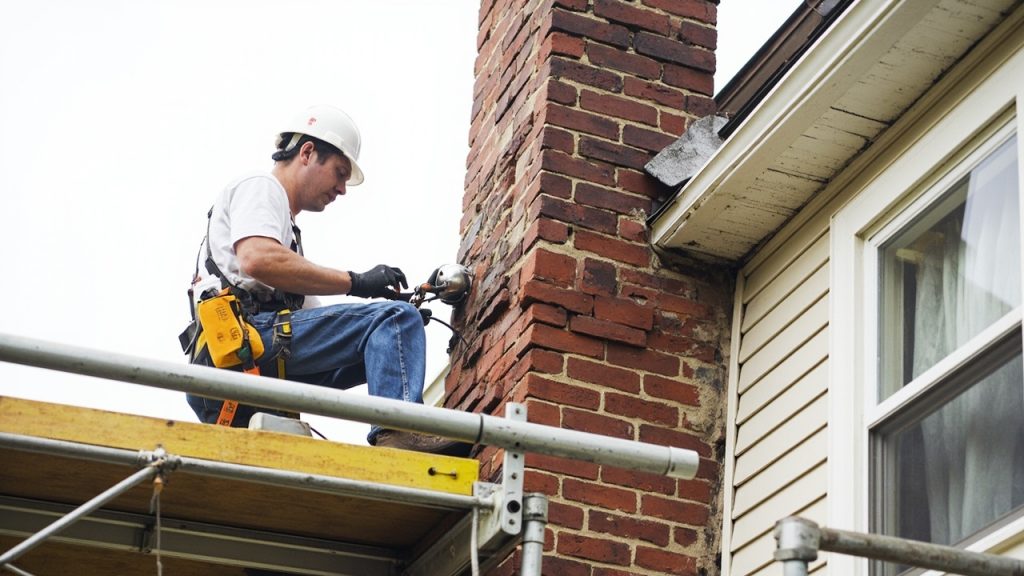
Should You Remove That Unused Brick Chimney During Your Next Parma Heights Roof Job
Your unused brick chimney might be more trouble than it’s worth. Many Parma Heights homes built in the 1950s and 60s still have chimneys that serve no purpose but collect water and cause leaks. When you’re already planning a roof replacement the question becomes: should you remove that chimney now or leave it standing?
Old chimneys often create roof problems that go beyond simple leaks. The flashing around chimney bases deteriorates faster than other roof areas because of freeze-thaw cycles in Northeast Ohio. Water seeps behind the brick and mortar joints where salt from Lake Erie air accelerates deterioration. A chimney that no longer vents a furnace or fireplace still needs maintenance that many homeowners skip.
During a roof replacement you have a perfect opportunity to address chimney issues. The roof deck is exposed and accessible. Your contractor can see exactly how the chimney connects to the structure. This timing makes chimney removal more efficient and often less expensive than doing it later as a separate project. EPA lead paint safety guidelines.
Common Problems with Unused Chimneys in Parma Heights
Many brick chimneys in Parma Heights show similar wear patterns. The mortar between bricks cracks from thermal expansion and contraction. Water enters these cracks and freezes in winter creating larger gaps. This cycle continues until the chimney structure becomes unstable.
Chimney flashing is another frequent failure point. The metal strips that seal the chimney base to the roof often rust or pull away from the brick. When flashing fails water runs down the chimney interior and into your attic or living space. You might notice water stains on walls near the chimney or damp spots in rooms below.
Some Parma Heights chimneys lean slightly from foundation settling. Clay soil in Cuyahoga County expands and contracts with moisture changes. This movement affects chimney foundations built decades ago without modern reinforcement. A leaning chimney creates stress on the roof structure and can lead to sudden failure. Cuyahoga County building permit requirements.
Older chimneys also lack proper waterproofing. Modern building codes require specific treatments for masonry exposed to weather. Your unused chimney might have no protective coating at all. Rain and snow penetrate the brick surface and cause internal damage that you cannot see from the ground.
Benefits of Removing an Unused Chimney
Removing an unused chimney eliminates several maintenance headaches. You stop worrying about chimney inspections and repairs. The roof becomes one continuous surface without penetration points where water can enter. This simplification reduces long-term maintenance costs.
A removed chimney improves your home’s energy efficiency. Chimneys create thermal bridges that conduct heat in summer and cold in winter. After removal your attic stays more consistent in temperature. This stability can reduce heating and cooling costs throughout the year.
Chimney removal also eliminates safety hazards. Old chimneys can collapse during severe weather events common in Northeast Ohio. High winds off Lake Erie sometimes exceed 60 miles per hour. A falling chimney section can damage your roof, vehicles, or even injure someone below.
Your home’s resale value might increase after chimney removal. Many buyers prefer simple rooflines without obsolete features. A clean roofline looks more modern and requires less explanation during home inspections. Some buyers worry about the maintenance burden of old chimneys even when they are not used.
The Chimney Removal Process
Chimney removal starts with a structural assessment. Your contractor examines the chimney’s connection to the roof and any supporting walls below. Some chimneys are purely decorative and bear no structural load. Others support parts of the roof or second-story walls.
The removal process depends on chimney construction. A simple decorative chimney might require only removing brick down to the roofline. A structural chimney needs careful demolition to avoid damaging surrounding walls or the roof deck. Your contractor determines the scope based on building plans and visible conditions.
Demolition follows a specific sequence. Workers start from the top and work downward. They remove bricks and mortar systematically to prevent sudden collapses. For taller chimneys they may use scaffolding or lifts to reach upper sections safely.
Debris removal is a major part of the process. Old brick and mortar must be hauled away properly. Cuyahoga County has specific disposal requirements for construction debris. Your contractor handles this according to local regulations.
After demolition the roof deck needs repair. The opening left by the chimney requires new decking material. Your contractor matches the existing roof structure to maintain strength and stability. This step is critical for preventing future roof sagging or failure.
Roof Patching and Shingle Matching
Roof patching after chimney removal requires precision. The new decking must match the thickness and strength of surrounding materials. Your contractor installs new underlayment over the patched area. This underlayment provides the first water barrier.
Shingle matching presents challenges. Even if you have leftover shingles from the original installation they may have faded. Sun exposure and weather change shingle colors over time. Your contractor may need to source new shingles that closely match existing ones.
Flashing installation is critical for preventing future leaks. The area where the new roof meets old materials needs special attention. Your contractor installs new flashing that extends several inches beyond the patched area. This overlap ensures water flows properly off the roof.
Ice and water shield installation adds protection in Northeast Ohio’s climate. Building codes require this shield in specific areas. Your contractor installs it along the patched edges where ice damming commonly occurs. This shield prevents water from backing up under shingles during freeze-thaw cycles.
The final step involves sealing all joints and edges. Your contractor uses roofing cement and caulk to seal vulnerable areas. They check for proper drainage and ensure no low spots where water can pool. This inspection prevents future problems.
Cost Factors for Chimney Removal in Parma Heights
Chimney removal costs vary based on several factors. Height affects the amount of work required. A chimney extending two stories costs more to remove than one that only rises above the roofline.
Masonry type influences removal difficulty. Soft brick and deteriorated mortar come down faster than solid masonry. Some Parma Heights chimneys contain concrete blocks that require different tools and techniques.
Roof accessibility impacts costs. A chimney on a steep roof or in a difficult-to-reach location requires more safety equipment and time. Your contractor may need special ladders or lifts to work safely.
Debris volume affects disposal fees. Large chimneys create significant debris that must be hauled away. Cuyahoga County charges disposal fees based on material type and volume.
Roof patching complexity varies by existing conditions. If your roof has multiple layers of shingles or unusual materials matching becomes harder. This complexity can increase labor time and material costs.
Permit requirements add administrative costs. Cuyahoga County requires permits for structural changes. Your contractor handles permit applications and inspections as part of the project.
Structural Integrity and Load-Bearing Considerations
Not all chimneys are purely decorative. Some support roof structures or second-story walls. Your contractor must determine if the chimney carries structural loads before removal begins.
Load-bearing chimneys require additional support during removal. Your contractor installs temporary supports to hold the roof while removing masonry. They then install permanent supports like beams or columns to replace the chimney’s structural function.
Foundation connections matter for structural integrity. Some chimneys connect to the home’s foundation. Removing these requires assessing how the foundation will handle the change. Your contractor may recommend foundation reinforcement.
Wall connections affect the removal process. Chimneys often connect to interior walls. Removing a chimney without addressing these connections can cause wall cracking or settling. Your contractor plans for these connections before starting work.
Roof truss systems interact with chimneys differently. Some trusses bear on chimney walls. Others pass over chimneys without contact. Your contractor examines your specific truss system to plan the removal sequence.
Second-story considerations affect planning. If your chimney supports second-story walls removal requires careful sequencing. Your contractor may need to work on both floors simultaneously to maintain structural stability.
Partial vs. Total Chimney Removal
Partial chimney removal means taking the chimney down to the roofline and sealing the opening. This approach costs less but leaves the lower chimney section in place. You still have a penetration point through your attic and roof.
Total removal eliminates the entire chimney structure. This approach costs more but provides a clean roofline. You eliminate all chimney-related maintenance and potential leak points.
Partial removal works when the lower chimney serves a purpose. Some homes use the lower section for mechanical chases or storage. If you need the interior space partial removal might make sense.
Total removal suits most unused chimneys. If the chimney serves no function removing it completely provides the best long-term value. You eliminate all maintenance and potential problems.
Cost differences between approaches vary. Partial removal might cost 60% of total removal. However partial removal often leads to future problems that require additional work. The initial savings may disappear over time.
Your contractor can help you decide based on your specific situation. They examine the chimney’s condition, your home’s structure, and your long-term plans. This assessment helps you make the best choice for your situation.
Building Permits and Local Regulations
Cuyahoga County requires permits for chimney removal. The permit process ensures the work meets building codes and safety standards. Your contractor handles permit applications as part of the project.
Permit requirements include structural assessments. County inspectors want to verify that removal won’t compromise your home’s integrity. Your contractor provides documentation showing how they’ll maintain structural stability.
Inspection schedules vary by project scope. Simple chimney removals might need only one final inspection. Complex removals involving structural changes require multiple inspections during the process.
Local zoning regulations affect chimney removal. Parma Heights has specific rules about exterior modifications. Your contractor ensures the removal complies with all local ordinances.
Environmental regulations impact debris disposal. Cuyahoga County has rules about construction debris handling. Your contractor follows these rules to avoid fines and protect the environment.
Insurance considerations matter for permits. Some insurance companies require permits for structural changes. Your contractor can advise about insurance implications before you begin.
Weather Considerations for Northeast Ohio
Northeast Ohio’s weather affects chimney removal timing. Winter work presents challenges with freezing temperatures and snow. Your contractor may recommend waiting for milder weather if possible.
Spring and fall offer ideal conditions for exterior work. Moderate temperatures and lower precipitation make these seasons optimal for chimney removal. However these are also busy seasons for contractors.
Summer heat can affect worker safety and material handling. High temperatures make heavy masonry work more difficult. Some materials become harder to work with in extreme heat.
Winter work requires special precautions. Your contractor uses heaters to keep materials at proper temperatures. They also protect exposed areas from snow and ice accumulation.
Rain delays are common in Northeast Ohio. Your contractor monitors weather forecasts and plans accordingly. They may need to tarp exposed areas during unexpected rain.
Wind affects exterior work safety. High winds make working on roofs dangerous. Your contractor has protocols for suspending work during unsafe wind conditions.
Choosing the Right Contractor
Chimney removal requires specific expertise. Not all roofers have experience with structural demolition. You need a contractor who understands both roofing and structural work.
Check contractor credentials carefully. Look for proper licensing and insurance coverage. Verify they have experience with chimney removal in Parma Heights and surrounding areas.
Ask about their process for structural assessments. A qualified contractor examines your home’s structure before quoting work. They should explain how they’ll maintain stability during removal.
Request references for similar projects. Speak with past clients about their experiences. Ask specifically about how the contractor handled structural issues and roof patching.
Review their warranty coverage. Quality contractors stand behind their work with written warranties. Understand what’s covered and for how long before signing contracts.
Communication matters during complex projects. Choose a contractor who explains the process clearly. They should keep you informed about progress and any issues that arise.
Local experience benefits your project. Contractors familiar with Parma Heights understand local building codes and common construction methods. This knowledge prevents surprises during the project.
Impact on Home Value and Insurance
Chimney removal can affect your home’s value. The impact depends on your specific situation and local market conditions. Some buyers prefer homes without unused chimneys.
Insurance companies view chimney removal differently. Some see it as reducing risk and may offer lower premiums. Others want documentation showing the work was done properly.
Appraisal considerations matter if you plan to sell. Appraisers note structural changes like chimney removal. A clean roofline might appeal to some buyers while others prefer traditional features.
Disclosure requirements apply when selling. You must disclose the chimney removal to potential buyers. Have documentation ready showing the work was done properly and any permits obtained.
Future maintenance costs decrease after removal. You eliminate chimney inspections, repairs, and potential emergency fixes. This reduction in maintenance might appeal to buyers concerned about ongoing costs.
Energy efficiency improvements might increase value. The elimination of thermal bridges can reduce heating and cooling costs. Some buyers value these efficiency gains.
Environmental Considerations
Old brick and mortar can be recycled. Many disposal facilities in Cuyahoga County accept masonry for recycling. Your contractor should discuss recycling options with you.
Lead paint concerns apply to very old chimneys. Homes built before 1978 might have lead-based paint on chimney surfaces. Your contractor follows EPA guidelines for handling lead paint debris.
Air quality matters during demolition. Dust control prevents debris from spreading to neighboring properties. Your contractor uses water misting and containment to control dust.
Noise considerations affect neighbors. Demolition creates significant noise. Your contractor should inform neighbors about the project timeline and work hours.
Wildlife sometimes nests in unused chimneys. Your contractor checks for animals before starting work. They follow humane protocols for relocating any wildlife found.
Water runoff during demolition needs management. Rain can wash debris into storm drains. Your contractor uses containment to prevent environmental contamination.
Timeline and Project Planning
Chimney removal projects typically take three to five days. The timeline depends on chimney size, structural complexity, and weather conditions. Your contractor provides a specific schedule for your project.
Permit acquisition adds time to the process. Cuyahoga County permit processing takes one to two weeks. Your contractor should factor this into the overall timeline.
Material ordering affects scheduling. Special shingles or flashing materials may require ordering time. Your contractor orders materials after permits are approved.
Weather delays are common in Northeast Ohio. Your contractor builds flexibility into the schedule for weather-related interruptions. They communicate any schedule changes promptly.
Access requirements affect planning. Your contractor needs clear access to the work area. This might mean moving vehicles or temporarily adjusting landscaping.
Utility considerations matter for some chimneys. If your chimney contains gas lines or electrical wiring these utilities need proper disconnection before removal. Your contractor coordinates with utility companies as needed.
Final inspection scheduling completes the process. Your contractor arranges inspections with Cuyahoga County after work completion. They ensure all work passes inspection before considering the project finished.
Frequently Asked Questions
Can I remove a chimney myself?
DIY chimney removal is dangerous and often illegal. Structural chimneys require professional assessment to maintain your home’s integrity. Cuyahoga County requires permits for this work that homeowners typically cannot obtain.
Will removing my chimney cause roof leaks?
Proper chimney removal prevents leaks. Your contractor patches the roof deck, installs new underlayment, and matches shingles carefully. They also install proper flashing to ensure water flows off the roof correctly.
How much does chimney removal cost in Parma Heights?
Costs vary based on chimney height, masonry type, and structural complexity. Simple decorative chimneys cost less than structural ones. Your contractor provides specific pricing after assessing your chimney.
Do I need to replace my entire roof if I remove a chimney?
You don’t need a full roof replacement for chimney removal. Your contractor patches only the area where the chimney was located. They match existing shingles as closely as possible.
How long does chimney removal take?
Most chimney removals take three to five days. The timeline includes demolition, debris removal, roof patching, and final inspections. Weather and structural complexity can affect the schedule.
Will removing my chimney affect my home’s structure?
Qualified contractors assess structural impacts before removal. They install temporary supports during work and permanent supports afterward. This process maintains your home’s structural integrity.
Making Your Decision
Chimney removal during your roof job offers several advantages. You save on labor costs by combining projects. You address potential leak sources while the roof is accessible. You eliminate future maintenance headaches.
Consider your long-term plans for the home. If you plan to stay many years the maintenance savings add up. If you plan to sell soon a clean roofline might appeal to buyers.
Evaluate the chimney’s current condition. Active leaks or structural problems make removal more urgent. A sound chimney in good condition might not need immediate removal.
Review your budget carefully. While removal adds cost to your roof project it often prevents more expensive emergency repairs later. Consider the long-term value rather than just upfront costs.
Consult with qualified contractors about your specific situation. They can assess your chimney and provide recommendations based on your home’s structure and your needs.
Remember that unused chimneys in Parma Heights homes often cause more problems than they solve. The decision to remove one during your roof job could save you significant time and money over the coming years.
Your unused chimney might be costing you more than you realize. Leaks, maintenance, and potential structural issues add up over time. When you’re already planning roof work removing that chimney makes practical and financial sense.
The process requires professional expertise but provides lasting benefits. You eliminate leak sources, simplify maintenance, and potentially improve your home’s energy efficiency. With proper planning and qualified contractors chimney removal becomes a straightforward part of your roof project.
Don’t let an unused chimney continue causing problems in your Parma Heights home. Consider removal during your next roof job and enjoy the peace of mind that comes with a clean, simple roofline.
Ready to learn more about chimney removal and roof replacement in Parma Heights? Contact a qualified local contractor for a professional assessment of your specific situation.
{
“@context”: “https://schema.org”,
“@type”: “BlogPosting”,
“headline”: “Should You Remove That Unused Brick Chimney During Your Next Parma Heights Roof Job”,
“description”: “Is your old chimney causing leaks? Learn Parma Heights chimney removal costs, structural safety, and roof patching with local Cleveland building codes.”,
“wordCount”: 3033,
“datePublished”: “2026-05-08T07:17:00.000Z”,
“dateModified”: “2026-05-08T07:17:00.000Z”,
“inLanguage”: “en-US”,
“mainEntityOfPage”: {
“@type”: “WebPage”,
“@id”: “https://alpharoofingcleveland.com”
},
“publisher”: {
“@type”: “LocalBusiness”,
“name”: “Alpha Roofing Cleveland”,
“url”: “https://alpharoofingcleveland.com”
},
“author”: {
“@type”: “Organization”,
“name”: “Alpha Roofing Cleveland”,
“url”: “https://alpharoofingcleveland.com”
},
“image”: {
“@type”: “ImageObject”,
“url”: “https://alpharoofingcleveland.com/wp-content/uploads/2026/03/should-you-remove-that-unused-brick-chimney-during-1.jpg”
}
}
{
“@context”: “https://schema.org”,
“@type”: “RoofingContractor”,
“name”: “Alpha Roofing Cleveland”,
“url”: “https://alpharoofingcleveland.com”,
“address”: {
“@type”: “PostalAddress”,
“addressLocality”: “Cleveland”
},
“areaServed”: {
“@type”: “City”,
“name”: “Cleveland”
}
}
{
“@context”: “https://schema.org”,
“@type”: “FAQPage”,
“mainEntity”: [
{
“@type”: “Question”,
“name”: “Can I remove a chimney myself?”,
“acceptedAnswer”: {
“@type”: “Answer”,
“text”: “DIY chimney removal is dangerous and often illegal. Structural chimneys require professional assessment to maintain your home’s integrity. Cuyahoga County requires permits for this work that homeowners typically cannot obtain.”
}
},
{
“@type”: “Question”,
“name”: “Will removing my chimney cause roof leaks?”,
“acceptedAnswer”: {
“@type”: “Answer”,
“text”: “Proper chimney removal prevents leaks. Your contractor patches the roof deck, installs new underlayment, and matches shingles carefully. They also install proper flashing to ensure water flows off the roof correctly.”
}
},
{
“@type”: “Question”,
“name”: “How much does chimney removal cost in Parma Heights?”,
“acceptedAnswer”: {
“@type”: “Answer”,
“text”: “Costs vary based on chimney height, masonry type, and structural complexity. Simple decorative chimneys cost less than structural ones. Your contractor provides specific pricing after assessing your chimney.”
}
},
{
“@type”: “Question”,
“name”: “Do I need to replace my entire roof if I remove a chimney?”,
“acceptedAnswer”: {
“@type”: “Answer”,
“text”: “You don’t need a full roof replacement for chimney removal. Your contractor patches only the area where the chimney was located. They match existing shingles as closely as possible.”
}
},
{
“@type”: “Question”,
“name”: “How long does chimney removal take?”,
“acceptedAnswer”: {
“@type”: “Answer”,
“text”: “Most chimney removals take three to five days. The timeline includes demolition, debris removal, roof patching, and final inspections. Weather and structural complexity can affect the schedule.”
}
},
{
“@type”: “Question”,
“name”: “Will removing my chimney affect my home’s structure?”,
“acceptedAnswer”: {
“@type”: “Answer”,
“text”: “Qualified contractors assess structural impacts before removal. They install temporary supports during work and permanent supports afterward. This process maintains your home’s structural integrity.”
}
}
]
}
{
“@context”: “https://schema.org”,
“@type”: “BreadcrumbList”,
“itemListElement”: [
{
“@type”: “ListItem”,
“position”: 1,
“name”: “Home”,
“item”: “https://alpharoofingcleveland.com”
},
{
“@type”: “ListItem”,
“position”: 2,
“name”: “Blog”,
“item”: “https://alpharoofingcleveland.com/blog”
},
{
“@type”: “ListItem”,
“position”: 3,
“name”: “Should You Remove That Unused Brick Chimney During Your Next Parma Heights Roof Job”
}
]
}
{
“@context”: “https://schema.org”,
“@type”: “Service”,
“serviceType”: “Roofing”,
“provider”: {
“@type”: “LocalBusiness”,
“name”: “Alpha Roofing Cleveland”,
“url”: “https://alpharoofingcleveland.com”
},
“areaServed”: {
“@type”: “City”,
“name”: “Cleveland”
},
“description”: “Is your old chimney causing leaks? Learn Parma Heights chimney removal costs, structural safety, and roof patching with local Cleveland building codes.”
}