
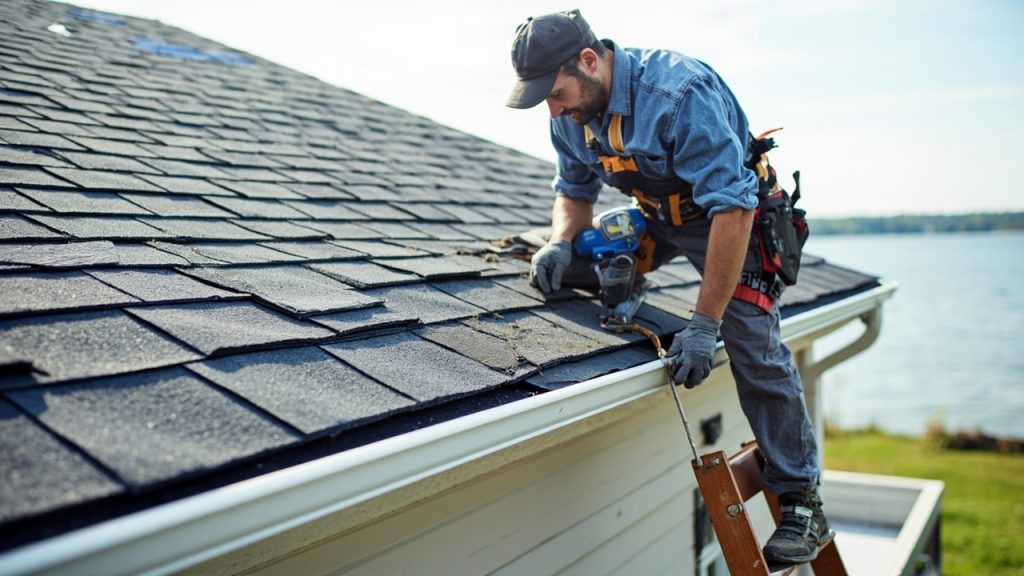
The Critical Role of Starter Shingles for Withstanding High Winds Near the Eastlake Shoreline
When strong winds sweep across Lake Erie they create a powerful force that can tear shingles right off your roof. For homeowners in Eastlake that threat is a constant reality. Starter shingles form the first line of defense against these destructive winds by creating a secure sealed edge at the base of your roof.
Without proper starter shingles wind can get underneath the first row of field shingles causing them to lift and eventually blow off. This not only damages your roof but exposes your home to water infiltration and costly repairs. Understanding how starter shingles work and why they matter can save you thousands in potential damage.
How High Winds Affect Eastlake Homes
Eastlake sits directly on the Lake Erie shoreline where wind patterns create unique challenges for roofing systems. The open water allows winds to build speed without obstruction before hitting the shore. These sustained winds combined with sudden gusts create uplift pressure on roofs that standard installation methods cannot withstand.
The geography of Lake County amplifies this problem. The relatively flat terrain between the lake and inland areas provides no natural windbreaks. When storms roll across the lake they maintain their full force until they reach Eastlake homes. This means roofing materials must be selected and installed with wind resistance as a primary consideration.
Temperature fluctuations common to Northeast Ohio also affect how shingles perform in high winds. The freeze-thaw cycles cause materials to expand and contract which can weaken adhesion over time. Starter shingles with proper adhesive strips help maintain a secure seal even as materials move with temperature changes.
What Makes Starter Shingles Different
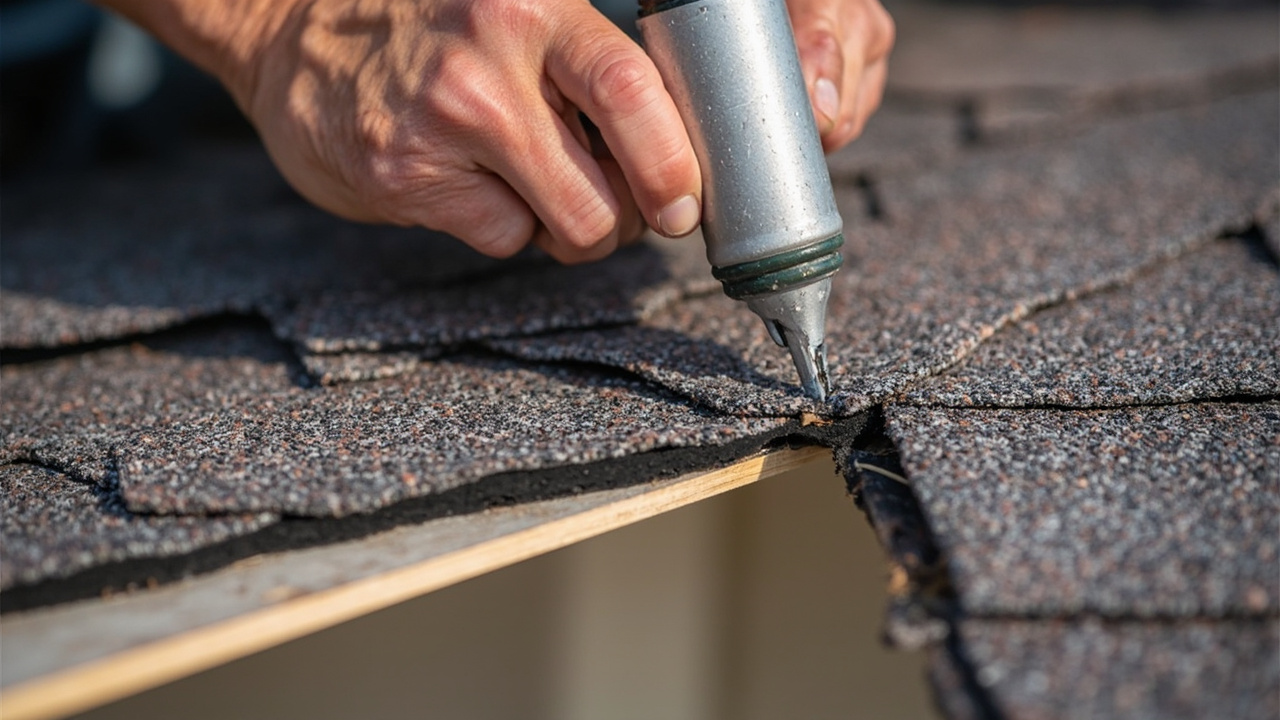
Starter shingles are not simply cut-off pieces of regular shingles. They feature a specialized adhesive strip that runs along the bottom edge. This strip creates a bond with the first course of field shingles preventing wind from getting underneath the roofing system.
The adhesive used on quality starter shingles remains flexible in cold temperatures yet strong enough to resist wind uplift. This balance is critical in Eastlake where winter temperatures can drop below zero while summer brings heat and humidity. The adhesive must perform in both extremes.
Starter shingles also have a different nailing pattern than field shingles. They require nails to be placed closer to the top edge rather than the center. This positioning keeps the nails within the high-wind nailing zone where building codes require extra fastening strength. Missing this detail can void wind warranties.
Wind Ratings and Building Code Requirements
Building codes in Lake County have specific requirements for wind-resistant roofing based on ASCE 7-16 standards. These standards calculate wind uplift pressure based on location height and roof geometry. Eastlake homes typically fall into the highest wind exposure category due to their proximity to Lake Erie.
For homes within one mile of the shoreline building codes often require shingles rated for 110 mph winds or higher. Some insurance companies now mandate even higher ratings of 130 mph for properties in wind-prone areas. These ratings indicate the wind speed at which shingles will fail under controlled testing conditions.
The International Building Code requires six nails per shingle in the high-wind nailing zone rather than the standard four. This extra fastening provides 50 percent more holding power against uplift forces. Combined with proper starter shingles this creates a roofing system designed to withstand Lake Erie’s strongest winds.
Comparing Starter Shingle Options
Not all starter shingles provide the same level of wind protection. Here’s how different options compare for Eastlake homes:
| Starter Shingle Type | Wind Rating | Adhesive Quality | Best For |
|---|---|---|---|
| Standard Fiberglass | 60-70 mph | Basic asphalt | Low wind areas |
| Enhanced Fiberglass | 110-130 mph | Modified asphalt | Eastlake shoreline |
| Polymer-Modified | 130+ mph | Rubberized adhesive | Maximum protection |
The polymer-modified starter shingles cost more upfront but provide the best protection for Eastlake’s wind conditions. The rubberized adhesive maintains flexibility in extreme cold while providing superior wind resistance. For homes within direct view of the lake this extra investment often pays for itself in avoided damage.
Installation Techniques That Maximize Wind Resistance
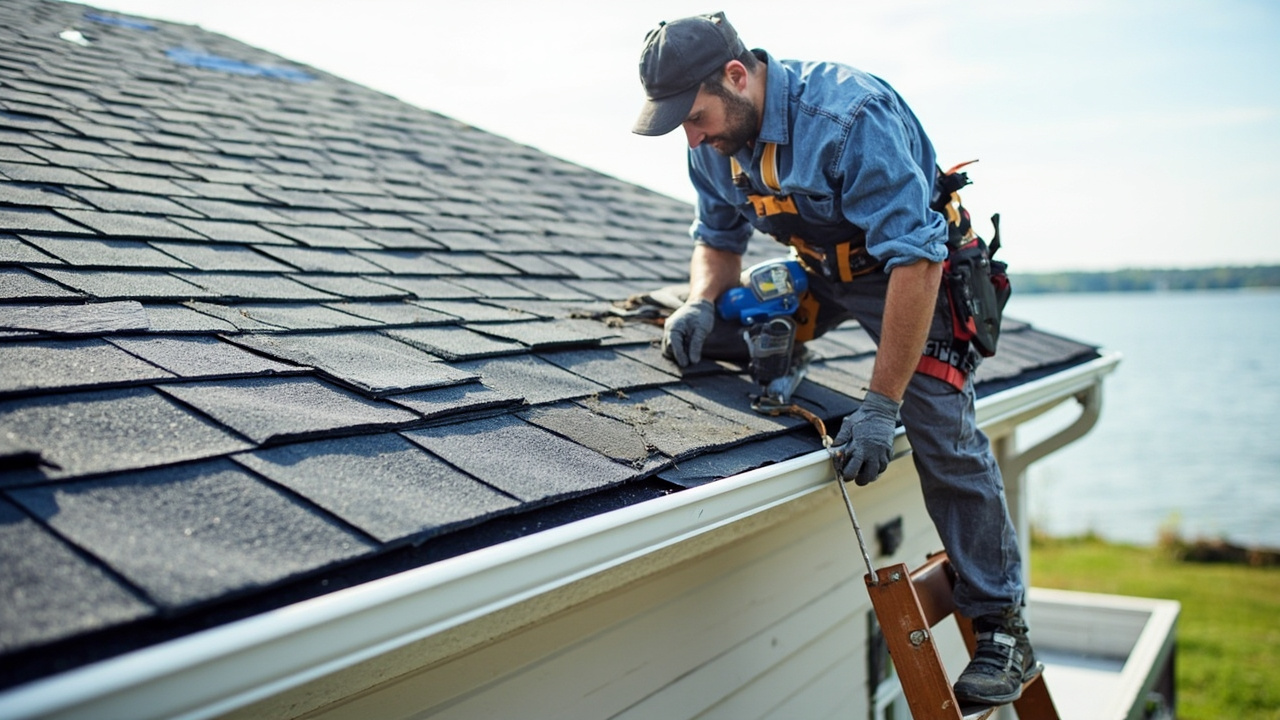
Even the best starter shingles fail if not installed correctly. Professional installation for high-wind areas follows specific techniques that standard roofing crews often overlook. These methods create a roofing system that works as a unified barrier against wind rather than individual shingle components.
The six-nail pattern for starter shingles places nails within one inch of the top edge. This keeps them in the reinforced nailing zone where shingles have maximum holding power. Each nail must be driven straight and flush with the shingle surface. Overdriven or underdriven nails create weak points that wind can exploit.
Starter shingles must overhang the roof edge by exactly 1/4 to 3/4 inch. Too little overhang allows wind to get under the roofing system. Too much creates a shelf where ice and debris accumulate. This precise measurement requires careful layout and measurement during installation.
The adhesive strip on starter shingles needs clean contact with the field shingles above. Any debris dust or misaligned shingles prevent the adhesive from creating a proper seal. This means the roof deck must be clean and dry before installation begins.
Common Wind Damage Patterns in Eastlake
Understanding how wind damage typically occurs helps homeowners identify problems early. In Eastlake the most common pattern starts with starter shingle failure. When the adhesive strip fails wind gets underneath the first row of field shingles causing them to lift.
Once the first row fails the damage cascades upward. Each lifted shingle creates a new edge for wind to catch. Within a single storm an entire roof section can peel back like the lid of a can. This type of damage almost always starts at the roof edge where starter shingles provide protection.
Another common pattern involves soffit and fascia damage. High winds create uplift not just on the roof surface but also on the underside through soffit vents. If these components are not properly sealed and reinforced wind can enter the attic space creating internal pressure that pushes shingles upward from below.
Material Selection for Maximum Wind Resistance
Beyond starter shingles the entire roofing system must work together to resist wind. Underlayment choices significantly impact wind performance. Synthetic underlayments provide better tear resistance than traditional felt especially in high-wind conditions where felt can flap and tear during installation.
Roof deck preparation also matters. The deck must be solid with no rotted or weakened areas. Any flex in the deck transfers to the shingles above creating stress points. In older Eastlake homes with plank decks this often means installing solid sheathing over the existing surface before applying new roofing.
Fasteners play a critical role. Standard smooth-shank nails can back out over time especially in the freeze-thaw cycles common to Northeast Ohio. Ring-shank or spiral-shank nails grip the wood better and maintain their hold through seasonal movement. Building codes in wind-prone areas often require these upgraded fasteners.
Post-Storm Inspection Checklist for Eastlake Homeowners
After high winds or storms pass through Eastlake homeowners should inspect their roofs for damage. Early detection prevents small problems from becoming major repairs. Here’s what to look for:
- Missing or lifted shingles especially along roof edges and ridges
- Debris accumulation in roof valleys that can trap moisture
- Damaged flashing around chimneys and vents
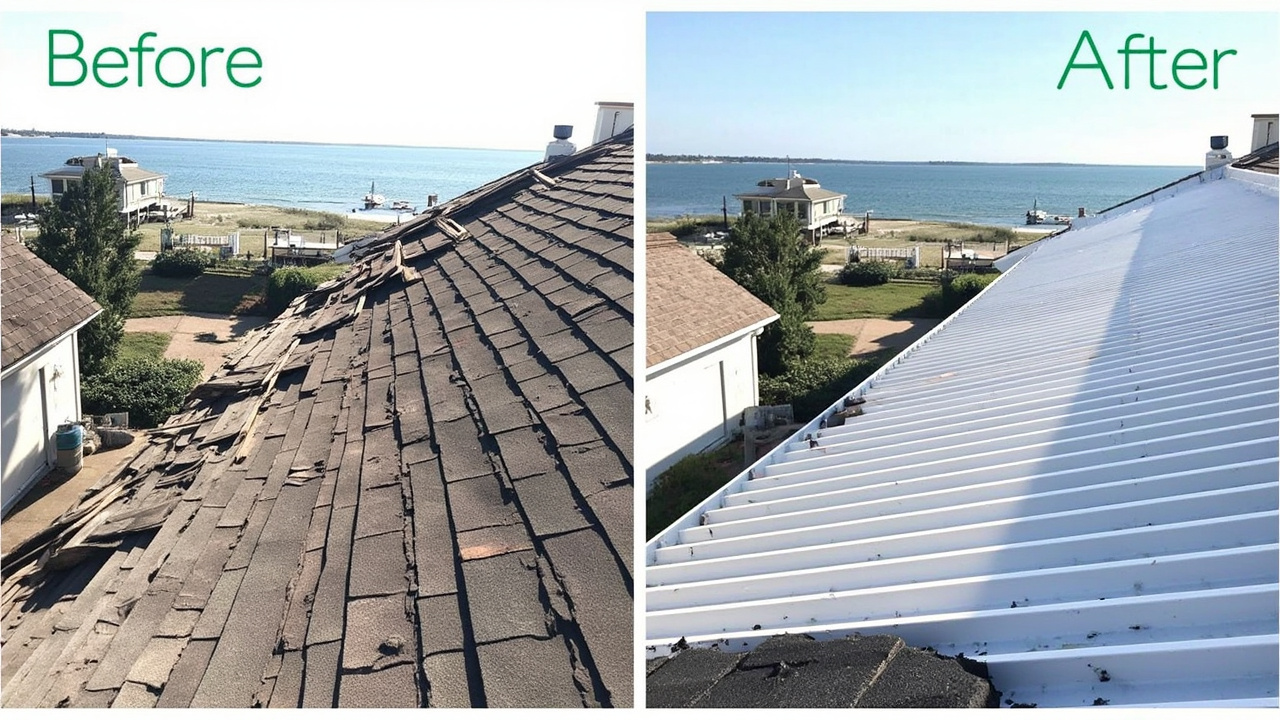
- Exposed underlayment or deck in areas where shingles blew off
- Granule loss on shingles indicating age-related weakness
Pay special attention to areas near the lake where wind typically hits first. If you notice any of these signs contact a roofing professional immediately. Even small damage can lead to leaks during the next rain event.
Local Building Code Considerations
Lake County and Eastlake have specific building code requirements for roofing in high-wind areas. These codes often exceed state minimums due to the unique wind exposure from Lake Erie. Understanding these requirements helps homeowners ensure their roofing contractor follows proper procedures.
Ice and water shield requirements in Lake County mandate coverage extending at least 24 inches inside the exterior wall line. For Eastlake homes this often means covering the entire roof area due to the high risk of wind-driven rain infiltration. This extra protection prevents water from entering through nail holes or under lifted shingles.
Permit requirements for roof replacements in Eastlake include specific wind mitigation inspections. These inspections verify that starter shingles are installed correctly and that all fastening requirements are met. Skipping permits to save money often results in failed inspections and costly rework.
Cost Considerations for Wind-Resistant Roofing
Wind-resistant roofing costs more upfront but provides significant long-term savings. The premium for enhanced starter shingles and proper installation typically adds 15-20 percent to the total project cost. However this investment often pays for itself within the first major wind event that your roof survives without damage.
Insurance companies increasingly recognize the value of wind-resistant roofing. Some offer premium discounts for homes with Class 4 impact-resistant shingles and enhanced wind ratings. These discounts can offset much of the additional installation cost over the life of the roof.
Consider the cost of a single wind damage claim which often includes not just roof repair but also interior water damage drywall repair and potential mold remediation. A properly installed wind-resistant roof prevents these secondary costs that can easily exceed the premium for enhanced materials and installation.
Choosing the Right Roofing Contractor
Not all roofing contractors understand the unique requirements for Eastlake’s wind conditions. When selecting a contractor ask specific questions about their experience with high-wind installations and Lake Erie weather patterns. A qualified contractor should discuss starter shingle options wind ratings and local building code requirements without prompting.
Look for contractors with specific training in wind mitigation techniques. Many shingle manufacturers offer certification programs focused on high-wind installation. These certifications indicate the contractor understands the technical requirements beyond basic roofing installation.
Ask for references from other Eastlake homeowners and specifically request examples of their work in areas exposed to strong lake winds. A reputable contractor should have multiple local references willing to discuss their experience with wind-resistant roofing installations.
Frequently Asked Questions
How long do wind-resistant starter shingles last?
Quality wind-resistant starter shingles typically last 20-25 years when properly installed. The adhesive strips may degrade slightly over time but should maintain effectiveness throughout the roof’s lifespan. Factors like sun exposure and temperature fluctuations affect longevity more than wind itself.
Can I install starter shingles myself?
While DIY installation is possible starter shingles require precise placement and proper nailing patterns that are difficult to achieve without experience. The cost of a professional installation is small compared to the potential damage from improper installation. Most manufacturers void warranties for non-professional installation.
What wind speed can quality starter shingles withstand?
Enhanced starter shingles with proper installation can withstand winds up to 130 mph. This exceeds the strongest recorded winds in the Eastlake area. The limiting factor is usually the entire roofing system rather than just the starter shingles.
How do I know if my current starter shingles are adequate?
Have a professional roofing inspection if your home is within one mile of Lake Erie. Signs of inadequate starter shingles include lifted shingles along roof edges exposed underlayment and visible gaps where the first row of field shingles meets the starter course.
Are there tax incentives for wind-resistant roofing?
Currently there are no specific federal tax incentives for wind-resistant roofing. However some utility companies offer rebates for cool roof materials that also provide wind resistance. Check with local utilities and the Ohio Department of Development for current incentive programs.
- Safety First
Never walk on a roof after high winds. Use binoculars from the ground or hire a professional inspector.
- Check Roof Edges
Examine the perimeter of your roof for lifted or missing shingles. This is where wind damage typically starts.
- Inspect Gutters and Downspouts
Look for shingle granules in gutters which indicate wear and potential weakness in high winds.
- Examine Flashing
Check flashing around chimneys vents and skylights for damage or separation from the roof surface.
- Look for Interior Signs
Check your attic for water stains or daylight showing through the roof deck indicating damage.
Protect Your Eastlake Home With Professional Wind-Resistant Roofing
Your home faces constant threats from Lake Erie’s powerful winds. Starter shingles provide the critical first defense against these forces but only when properly selected and installed. The investment in quality materials and professional installation pays for itself through avoided damage and peace of mind during every storm.
Don’t wait until wind damage occurs. Schedule a professional roof inspection to assess your current protection level and discuss wind-resistant options for your specific situation. Eastlake’s unique wind patterns require specialized knowledge and materials that generic roofing contractors often overlook.
Contact a qualified roofing professional today to protect your home from the next big wind event. Your roof is your home’s first line of defense – make sure it’s built to withstand whatever Lake Erie sends your way.
FEMA Wind Retrofit Guide
National Roofing Contractors Association
GAF Wind Warranty Information
{
“@context”: “https://schema.org”,
“@type”: “BlogPosting”,
“headline”: “The Critical Role of Starter Shingles for Withstanding High Winds Near the Eastlake Shoreline”,
“description”: “Learn why starter shingles are essential for Eastlake homes near Lake Erie and how they protect against wind damage in Northeast Ohio’s harsh climate.”,
“wordCount”: 2156,
“datePublished”: “2026-05-21T09:26:00.000Z”,
“dateModified”: “2026-05-21T09:26:00.000Z”,
“inLanguage”: “en-US”,
“mainEntityOfPage”: {
“@type”: “WebPage”,
“@id”: “https://alpharoofingcleveland.com”
},
“publisher”: {
“@type”: “LocalBusiness”,
“name”: “Alpha Roofing Cleveland”,
“url”: “https://alpharoofingcleveland.com”
},
“author”: {
“@type”: “Organization”,
“name”: “Alpha Roofing Cleveland”,
“url”: “https://alpharoofingcleveland.com”
},
“image”: {
“@type”: “ImageObject”,
“url”: “https://alpharoofingcleveland.com/wp-content/uploads/2026/03/the-critical-role-of-starter-shingles-for-withstan-1.jpg”
}
}
{
“@context”: “https://schema.org”,
“@type”: “RoofingContractor”,
“name”: “Alpha Roofing Cleveland”,
“url”: “https://alpharoofingcleveland.com”,
“address”: {
“@type”: “PostalAddress”,
“addressLocality”: “Cleveland”
},
“areaServed”: {
“@type”: “City”,
“name”: “Cleveland”
}
}
{
“@context”: “https://schema.org”,
“@type”: “FAQPage”,
“mainEntity”: [
{
“@type”: “Question”,
“name”: “How long do wind-resistant starter shingles last?”,
“acceptedAnswer”: {
“@type”: “Answer”,
“text”: “Quality wind-resistant starter shingles typically last 20-25 years when properly installed. The adhesive strips may degrade slightly over time but should maintain effectiveness throughout the roof’s lifespan. Factors like sun exposure and temperature fluctuations affect longevity more than wind itself.”
}
},
{
“@type”: “Question”,
“name”: “Can I install starter shingles myself?”,
“acceptedAnswer”: {
“@type”: “Answer”,
“text”: “While DIY installation is possible starter shingles require precise placement and proper nailing patterns that are difficult to achieve without experience. The cost of a professional installation is small compared to the potential damage from improper installation. Most manufacturers void warranties for non-professional installation.”
}
},
{
“@type”: “Question”,
“name”: “What wind speed can quality starter shingles withstand?”,
“acceptedAnswer”: {
“@type”: “Answer”,
“text”: “Enhanced starter shingles with proper installation can withstand winds up to 130 mph. This exceeds the strongest recorded winds in the Eastlake area. The limiting factor is usually the entire roofing system rather than just the starter shingles.”
}
},
{
“@type”: “Question”,
“name”: “How do I know if my current starter shingles are adequate?”,
“acceptedAnswer”: {
“@type”: “Answer”,
“text”: “Have a professional roofing inspection if your home is within one mile of Lake Erie. Signs of inadequate starter shingles include lifted shingles along roof edges exposed underlayment and visible gaps where the first row of field shingles meets the starter course.”
}
},
{
“@type”: “Question”,
“name”: “Are there tax incentives for wind-resistant roofing?”,
“acceptedAnswer”: {
“@type”: “Answer”,
“text”: “Currently there are no specific federal tax incentives for wind-resistant roofing. However some utility companies offer rebates for cool roof materials that also provide wind resistance. Check with local utilities and the Ohio Department of Development for current incentive programs.”
}
}
]
}
{
“@context”: “https://schema.org”,
“@type”: “HowTo”,
“name”: “How to Inspect Your Roof After High Winds”,
“step”: [
{
“@type”: “HowToStep”,
“position”: 1,
“name”: “Safety First”,
“text”: “Never walk on a roof after high winds. Use binoculars from the ground or hire a professional inspector.”
},
{
“@type”: “HowToStep”,
“position”: 2,
“name”: “Check Roof Edges”,
“text”: “Examine the perimeter of your roof for lifted or missing shingles. This is where wind damage typically starts.”
},
{
“@type”: “HowToStep”,
“position”: 3,
“name”: “Inspect Gutters and Downspouts”,
“text”: “Look for shingle granules in gutters which indicate wear and potential weakness in high winds.”
},
{
“@type”: “HowToStep”,
“position”: 4,
“name”: “Examine Flashing”,
“text”: “Check flashing around chimneys vents and skylights for damage or separation from the roof surface.”
},
{
“@type”: “HowToStep”,
“position”: 5,
“name”: “Look for Interior Signs”,
“text”: “Check your attic for water stains or daylight showing through the roof deck indicating damage.”
}
],
“image”: “https://alpharoofingcleveland.com/wp-content/uploads/2026/03/the-critical-role-of-starter-shingles-for-withstan-1.jpg”
}
{
“@context”: “https://schema.org”,
“@type”: “BreadcrumbList”,
“itemListElement”: [
{
“@type”: “ListItem”,
“position”: 1,
“name”: “Home”,
“item”: “https://alpharoofingcleveland.com”
},
{
“@type”: “ListItem”,
“position”: 2,
“name”: “Blog”,
“item”: “https://alpharoofingcleveland.com/blog”
},
{
“@type”: “ListItem”,
“position”: 3,
“name”: “The Critical Role of Starter Shingles for Withstanding High Winds Near the Eastlake Shoreline”
}
]
}
{
“@context”: “https://schema.org”,
“@type”: “Service”,
“serviceType”: “Roofing”,
“provider”: {
“@type”: “LocalBusiness”,
“name”: “Alpha Roofing Cleveland”,
“url”: “https://alpharoofingcleveland.com”
},
“areaServed”: {
“@type”: “City”,
“name”: “Cleveland”
},
“description”: “Learn why starter shingles are essential for Eastlake homes near Lake Erie and how they protect against wind damage in Northeast Ohio’s harsh climate.”
}