
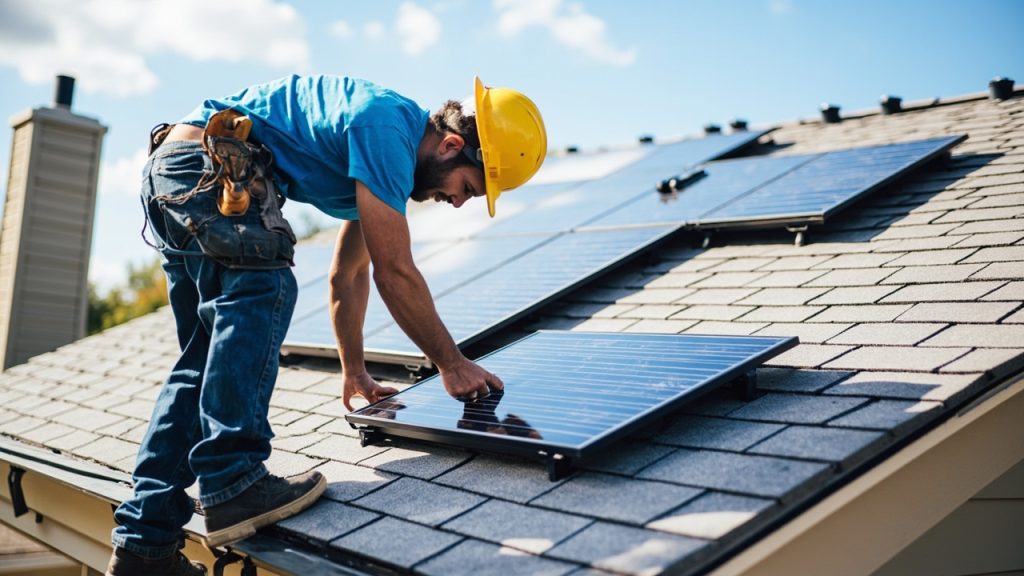
Thinking about solar shingles? Here is what Cleveland homeowners should know for 2026
Energy costs for Northeast Ohio households climb higher every year. Homeowners in the Greater Cleveland metro area face rising utility bills while dealing with volatile weather patterns. Solar shingles offer a dual solution that replaces roofing materials while generating electricity. This integrated system reduces your reliance on traditional power grids but requires specific planning for local conditions. You need a system designed for heavy snow loads and high wind gusts off Lake Erie.
Alpha Roofing handles these installations with deep knowledge of Cuyahoga County building codes. We focus on durability in freezing temperatures where standard panels often fail. Our team manages the entire permit process for neighborhoods like Parma and Strongsville. Understanding these local factors ensures your investment protects your home and wallet for decades. The climate around Lake Erie creates unique challenges for roofing materials. Snow accumulates heavily during winter months while strong lake effect winds test structural integrity.
Traditional solar panels sit above the roof surface on metal racks. These racks create wind uplift points that risk damaging tiles or shingles. Solar shingles integrate directly into the roof deck. They distribute wind loads evenly across the roof plane. This design reduces the stress on underlying rafters significantly. Snow slides off solar shingles just as it does from standard asphalt layers. The textured surface allows snow to break up and clear naturally. This prevents uneven melting that creates ice dams at the eaves.
Ice dams force water under shingles and cause costly interior leaks. Our installations include specific flashing details near chimneys and valleys common in 1950s Ranch and Bungalow styles found throughout Strongsville and North Olmsted. Humidity in summer months promotes algae and moss growth on dark surfaces. Solar shingles resist this buildup through their protective coating. This keeps your roof looking clean without needing harsh chemical washes. The photovoltaic cells themselves remain cool under the sun.
Heat reduces energy efficiency. By staying embedded in the roof, they dissipate heat better than raised panels. Cleveland roofs must support snow accumulation that weighs thousands of pounds. Solar shingles meet ASTM standards for wind resistance and impact. The interlocking design holds together under heavy ice sheets. You do not need to scrape snow from the surface. Manufacturers guarantee performance through multiple freeze thaw cycles. This durability matters because your roof handles structural loads from above and wind loads from the sides.
The GAF Energy Timberline Solar product line features an impact rating of Class 4. This rating withstands hail impacts from large drops without cracking. Local testing in Cuyahoga County confirms the bond strength holds under thermal expansion. Shingles expand in summer heat and contract in winter cold without losing grip. Homeowners often debate between old style racks and new integrated systems. Each approach offers distinct benefits for Northeast Ohio homes. You must weigh efficiency against aesthetics and roof structure requirements.
- Traditional solar panels use aluminum rails that penetrate flashing.
- Solar shingles replace existing asphalt shingles without extra brackets.
- Rack systems allow airflow but create maintenance access points.
- Integrated systems smooth the roof profile but require full roof replacement.
Integrated solar roofing costs more upfront due to material expenses. Still, you save on disposal fees for old shingles. You also get a single warranty covering the roof and the solar generation. This simplifies claims processing if damage occurs. Rack mounted systems offer slightly higher efficiency ratings. They capture sunlight at a steeper angle during winter months. The sun sits lower in the sky from December to February.
Solar shingles lie flush with the roof pitch. This angle might reduce winter output by 10 to 15 percent compared to vertical arrays. Most homeowners prioritize the seamless look and structural protection in Cleveland. Financial aid reduces the total cost significantly. The Federal Investment Tax Credit allows you to deduct a percentage of the project cost from your federal taxes. This amount applies to 2026 installations. The Internal Revenue Service updates these values annually.
You need a certified contractor to issue the proper documentation. Ohio does not offer a direct solar property tax exemption yet. You do not need to worry about your assessed value rising due to the installation. FirstEnergy and The Illuminating Company manage net metering policies in the metro area. These programs credit excess power that flows back to the grid. Your meter spins backward during sunny summer days. You use those credits to offset winter energy costs.
We can connect your system to the local distribution network through approved utility protocols. Proper interconnection requires specific inverter settings. Our team handles all paperwork for the City of Cleveland Building Permits. This ensures compliance with state electrical codes. You avoid fines or rejection during inspection. Visit the City of Cleveland building department website for current zoning rules using the link Here. You can find official tax credit information on the IRS website via IRS Guidelines.
| Feature | Solar Shingles | Rack Mounted Panels |
|---|---|---|
| Wind Resistance | High Flush design | Medium Rack uplift risk |
| Installation Time | Longer Roof rebuild | Shorter Over existing roof |
| Roof Warranty | Includes Solar Warranty | Standard Roof Warranty Separate |
| Aesthetics | Seamless Look | Visible Racking Hardware |
| Winter Snow Shedding | Effective Smooth texture | Effective Slope dependent |
| Cooling Benefits | Better Ventilation | Air Gap Below |
Recent utility data shows net metering balances often remain positive in late summer. You carry that surplus into the colder months. This balance acts as a battery for your energy bills. Battery options like the Tesla Powerwall store excess day power for night use. We recommend adding storage if you experience frequent outages during ice storms.
The Installation Process From Assessment to Grid Hookup
Installing integrated solar requires careful planning. You must verify the roof deck condition first. Structural integrity determines if the new system fits your home. Old homes in Parma and Strongsville often have older wood framing. We inspect joists and trusses before scheduling work. The process follows strict municipal guidelines. City of Cleveland Building Permits require submission of electrical plans. We handle these documents so you do not wait on bureaucracy.
- Site Assessment
We measure the roof surface and check shading from trees.
- Structural Analysis
Our engineers calculate load capacity for snow and wind.
- Material Ordering
We source the solar shingles from approved manufacturers.
- Permit Application
Our team submits plans to the local building department.
- Roof Removal
We strip old shingles and install ice and water shield.
- Solar Installation
Installers lay the shingles and connect the PV cells.
- Inverter Setup
Techs secure the inverter in a garage or shed location.
- Utility Inspection
Local grid officials verify the electrical connection.
This timeline takes approximately 10 to 14 days from start to finish. Weather delays occur frequently during lake effect snow events. We build buffer time into our schedule to protect your interior. Water exposure during construction poses risks to unfinished rooms. Cuyahoga County enforces specific ice and water shield requirements. You need a minimum of 24 inches inside the exterior wall line. This prevents ice dams from forming in valleys.
Solar shingles integrate with this barrier seamlessly. We use self adhesive membranes beneath the new layer. Parma and Strongsville allow roof overlays under certain conditions. You must check zoning laws before ordering materials. Some neighborhoods restrict visible hardware on front facades. The integrated look of solar tiles helps meet these aesthetic guidelines. You avoid HOA conflicts that arise with bulky racks. Local soil conditions also impact the installation.
Heavy clay soil causes foundation shifts that affect roof alignment. We check the structure stability before installing heavy solar units. This ensures the electrical connections remain taut during settling. Your system will not stress the wires over time. Homeowners ask how long until the system pays for itself. Current energy prices in the FirstEnergy service area affect this calculation. Typical residential savings range between 25 and 40 percent annually.
This reduction covers the maintenance and insurance costs. We help you calculate your specific return on investment. Factors include your roof pitch and local tree coverage. We avoid estimates based solely on square footage. Real world output depends on the orientation of your home. Insurance companies often offer discounts for durable roofing materials. Solar shingles carry a Class 4 impact rating.
This reduces replacement risk for hail prone areas. Some policies lower premiums because the roof lasts longer. You should ask your agent about these updates to your policy. Long term ownership benefits the planet as well. Switching to onsite generation lowers carbon footprints for families in the metro area. This reduces reliance on fossil fuels used by regional power plants. Many owners feel good about supporting local grid stability.
Comparing Costs and Long Term Value
A complete solar roof replacement costs more than a standard roof. This upfront price includes the photovoltaic technology. Homeowners save on future electricity bills to recoup the cost over time. Some financing options allow monthly payments lower than your current utility bill. Standard roofing materials cost about 130 dollars per square foot installed.
Solar units cost approximately 250 dollars per square foot. The federal tax credit reduces the effective cost by 30 percent. This brings the price closer to premium asphalt shingles. You get two systems in one product. Your warranty covers both the weather protection and the energy generation. This reduces liability risks for homeowners who worry about system failure. A professional installation ensures all components function correctly together.
| Item | Solar Shingles | Standard Roof Plus Panels |
|---|---|---|
| Material Cost | 250 Dollars Per Sq Ft | 130 Dollar Roof 30 Dollar Energy |
| Net Cost After Credit | 175 Dollars Per Sq Ft | 115 Dollar Roof 21 Dollar Energy |
| Payback Period | 8 Years | 10 Years |
| Annual Savings | 30 Percent On Bill | 25 Percent On Bill |
| Warranty Length | 25 Years | 20 Years Roof 10 Years Energy |
Common Misconceptions About Solar in Winter
Many people think snow blocks solar energy completely. Dark winter days do lower production rates. The system remains active as long as light reaches the cells. Snow naturally slides off the surface during active sunlight hours. You rarely see a full coverage block for more than a few days. Efficiency drops when temperatures go below freezing.
Photovoltaic cells perform at rated efficiency around 77 degrees Fahrenheit. They produce more power in cold but sunny conditions. The lower ambient temperature improves electrical conductivity within the panel. Freezing rain presents a higher risk than dry snow. Heavy ice buildup can damage mounting brackets on standard panels. Solar shingles lock into the roof deck.
Ice sits on top without adding weight to brackets or hooks. This makes them safer during winter storms common along Lake Erie. We see a spike in demand for upgrades in Strongsville and North Olmsted. Homeowners in these areas appreciate the clean look on older homes. Several projects in Parma recently replaced aging roofs before winter arrived. This timing saved families from potential leaks during early thaw cycles.
Commercial property managers also ask about solar integration for flat roofs. Retail centers near Great Northern Mall benefit from large surface areas. We handle complex drainage systems for shopping hubs. Maintenance plans keep generators and panels clean from leaves and dust. Tenant disruptions remain minimal during installation. Our crews work efficiently to minimize noise and foot traffic.
We schedule outdoor work on weekends when retail hours drop. This keeps business operations running smoothly. Grid tied systems automatically shut down during outages to protect utility workers. You cannot use power from your roof without a battery backup system. We can add Tesla Powerwall storage to your setup. This allows you to run essential appliances during storms.
Manufacturers cover material defects for several decades. You can replace individual damaged shingles without removing the whole field. Our team handles insurance claims to process these replacements quickly. Regular inspections by a qualified rater keep the warranty valid. Cleaning the surface with a soft brush removes debris. Avoid harsh chemicals that damage the anti reflective coating.
Our team offers annual service plans to monitor output levels. You have the information needed to evaluate solar shingles for your property. The next step involves a specific site visit. We walk your roof to identify ideal placement for the solar arrays. Our team provides a written quote with detailed timelines. Contact Alpha Roofing Cleveland today to schedule your consultation.
{
“@context”: “https://schema.org”,
“@type”: “BlogPosting”,
“headline”: “Thinking about solar shingles? Here is what Cleveland homeowners should know for 2026”,
“description”: “Thinking about solar shingles? You need to know local codes and 2026 incentives. Learn about ROI timelines, installation steps, and material costs for Cleveland homes.”,
“wordCount”: 2036,
“datePublished”: “2026-02-10T07:18:00.000Z”,
“dateModified”: “2026-02-10T07:18:00.000Z”,
“inLanguage”: “en-US”,
“mainEntityOfPage”: {
“@type”: “WebPage”,
“@id”: “https://alpharoofingcleveland.com”
},
“publisher”: {
“@type”: “LocalBusiness”,
“name”: “Alpha Roofing Cleveland”,
“url”: “https://alpharoofingcleveland.com”
},
“author”: {
“@type”: “Organization”,
“name”: “Alpha Roofing Cleveland”,
“url”: “https://alpharoofingcleveland.com”
},
“image”: {
“@type”: “ImageObject”,
“url”: “https://alpharoofingcleveland.com/wp-content/uploads/2026/03/thinking-about-solar-shingles-here-is-what-clevela-1.jpg”
}
}
{
“@context”: “https://schema.org”,
“@type”: “RoofingContractor”,
“name”: “Alpha Roofing Cleveland”,
“url”: “https://alpharoofingcleveland.com”,
“address”: {
“@type”: “PostalAddress”,
“addressLocality”: “Cleveland”
},
“areaServed”: {
“@type”: “City”,
“name”: “Cleveland”
}
}
{
“@context”: “https://schema.org”,
“@type”: “BreadcrumbList”,
“itemListElement”: [
{
“@type”: “ListItem”,
“position”: 1,
“name”: “Home”,
“item”: “https://alpharoofingcleveland.com”
},
{
“@type”: “ListItem”,
“position”: 2,
“name”: “Blog”,
“item”: “https://alpharoofingcleveland.com/blog”
},
{
“@type”: “ListItem”,
“position”: 3,
“name”: “Thinking about solar shingles? Here is what Cleveland homeowners should know for 2026”
}
]
}
{
“@context”: “https://schema.org”,
“@type”: “Service”,
“serviceType”: “Roofing”,
“provider”: {
“@type”: “LocalBusiness”,
“name”: “Alpha Roofing Cleveland”,
“url”: “https://alpharoofingcleveland.com”
},
“areaServed”: {
“@type”: “City”,
“name”: “Cleveland”
},
“description”: “Thinking about solar shingles? You need to know local codes and 2026 incentives. Learn about ROI timelines, installation steps, and material costs for Cleveland homes.”
}