
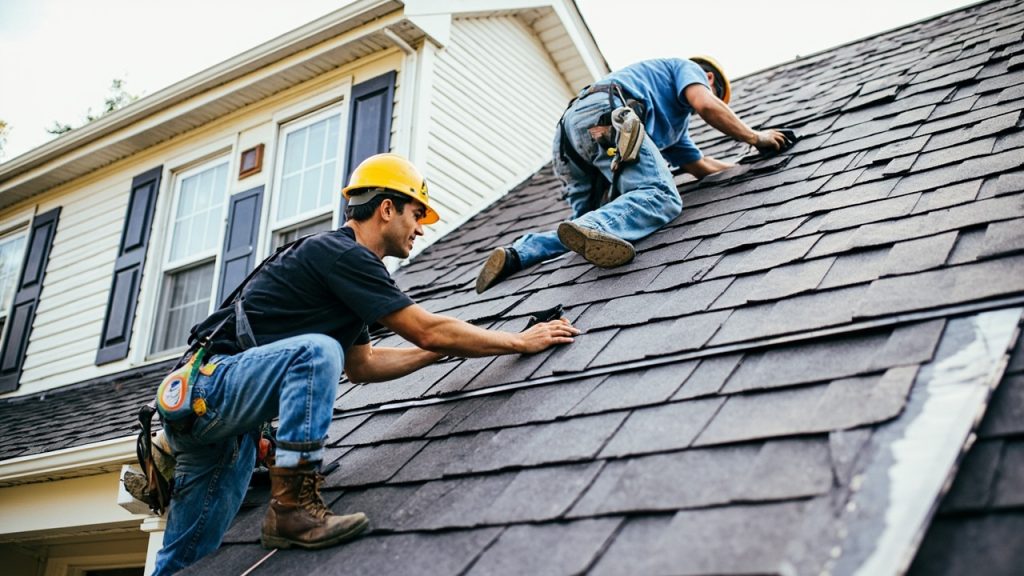
What Happens During a Cleveland Roofing Project from Start to Finish
Replacing your roof in Cleveland is a major home improvement project that requires careful planning and expert execution. The process involves multiple stages from initial inspection through final cleanup and understanding each step helps you prepare for the disruption and make informed decisions. This guide walks you through what actually happens during a Cleveland roofing project with specific attention to local weather conditions building codes and neighborhood considerations.
Pre-Installation Inspection Permitting and Preparation
Every successful roofing project begins long before the first shingle is installed. The process starts with a comprehensive roof inspection where a qualified contractor evaluates your existing roof structure ventilation and any underlying damage. In Cleveland this inspection is particularly important due to the harsh weather conditions including heavy Lake Effect snow ice dams and high winds off Lake Erie.
During the inspection the contractor will document the current roof condition measure the roof area and identify any structural issues that need addressing. They will also assess your attic ventilation which is crucial for preventing moisture buildup during Cleveland’s humid summers and preventing ice dams during winter.
Permitting represents a critical step specific to Cleveland and Cuyahoga County. Most roofing projects require permits from the local building department. The contractor typically handles permit applications but homeowners should understand this process takes time. Cleveland building codes require specific ice and water shield installation extending at least three feet past the interior wall line to combat ice damming a common problem in Northeast Ohio.
Preparation also includes material selection. Cleveland homeowners must choose materials that can withstand extreme temperature fluctuations from summer heat to winter cold. Asphalt shingles remain the most popular choice due to their durability and cost-effectiveness but other options like metal roofing are gaining popularity for their longevity in harsh weather conditions.
Step 1 Protecting Your Property and Landscaping
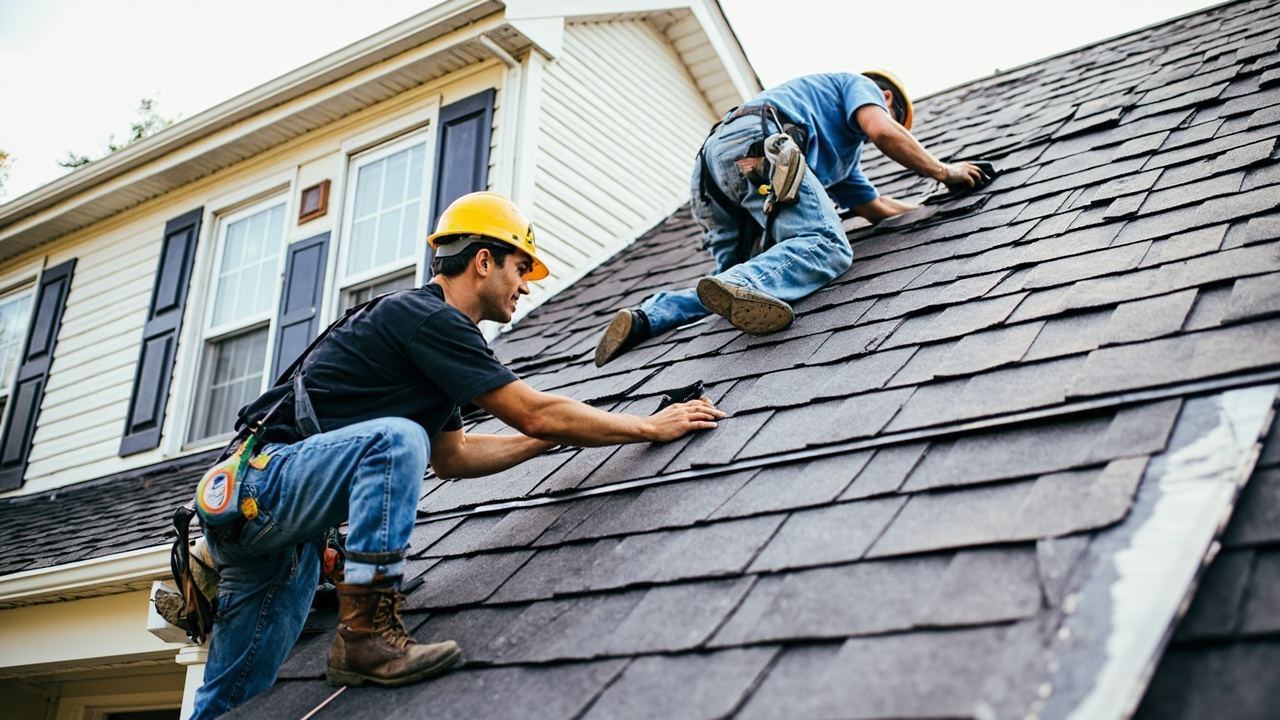
On installation day the first priority is protecting your home and surrounding property. Professional roofing crews in Cleveland understand the importance of safeguarding landscaping especially in neighborhoods like Parma and Strongsville where mature trees and gardens are common.
The crew will lay down protective tarps over shrubs flower beds and lawn areas near the house. They will also cover air conditioning units and other exterior fixtures. In Cleveland where many homes have narrow driveways and limited space crews must be strategic about equipment placement including dumpster positioning for debris removal.
Inside your home preparation matters too. The constant hammering and movement can cause pictures to fall and items to shift on shelves. Experienced Cleveland contractors recommend removing wall hangings and securing loose items especially in older homes common in neighborhoods like Lakewood and Rocky River.
Step 2 Old Roof Tear-Off vs Overlay
The decision between complete tear-off and overlay installation depends on your existing roof condition and local building codes. In Cleveland complete tear-off is often recommended due to the severe weather conditions that can mask underlying damage.
During tear-off the crew systematically removes all existing shingles underlayment and flashing. This process reveals the roof deck condition which is critical in Cleveland where moisture damage from ice dams and wind-driven rain is common. The tear-off process typically generates significant debris requiring careful management and disposal following Cleveland’s waste regulations.
Overlay installation where new shingles are installed over existing ones is sometimes permitted but has limitations. Ohio building codes generally allow only one overlay before requiring complete tear-off. In Cleveland’s climate the additional weight and trapped moisture from multiple layers can lead to premature failure making tear-off the preferred choice for most homeowners.
Step 3 Decking Inspection and Repairs
Once the old roofing materials are removed the roof deck becomes visible for thorough inspection. This step is crucial in Cleveland where decades of freeze-thaw cycles can cause wood rot and structural damage that remains hidden under old shingles.
The contractor inspects the decking for signs of water damage rot or structural weakness. In older Cleveland homes particularly those built in the 1950s and 1960s common in Parma and Seven Hills decking may need partial or complete replacement. The crew will replace any damaged sections with new plywood or OSB panels ensuring a solid foundation for the new roofing system.
This inspection also reveals ventilation issues. Proper attic ventilation is essential in Cleveland’s climate to prevent moisture buildup during humid summers and to maintain consistent roof temperatures during winter preventing ice dam formation.
Step 4 Installing Drip Edges and Ice/Water Shields
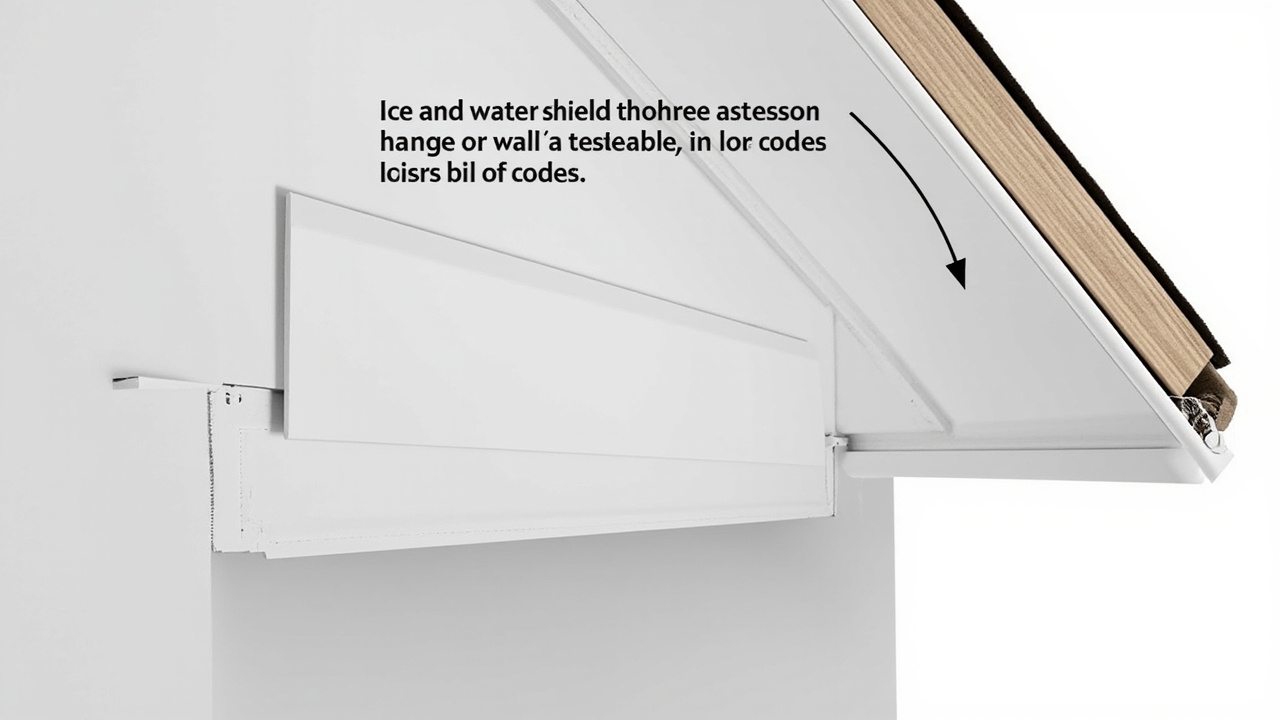
Cleveland building codes require specific ice and water shield installation due to the region’s severe winter weather. The ice and water shield is a self-adhering membrane that provides an additional waterproof barrier in areas prone to ice damming and wind-driven rain.
Installation begins at the eaves where the shield extends at least three feet up the roof deck past the interior wall line. This critical layer prevents water from backing up under shingles when ice dams form a common occurrence in Cleveland during Lake Effect snow events. The shield is also applied in valleys around chimneys and in other vulnerable areas.
Drip edges are metal flashing installed along the roof edges to direct water away from the fascia and into the gutters. In Cleveland where heavy rainfall and snowmelt are common proper drip edge installation prevents water damage to the roof structure and exterior walls.
Step 5 Underlayment and Shingle Application
Following ice and water shield installation the crew applies synthetic underlayment across the entire roof deck. Synthetic materials offer superior water resistance and durability compared to traditional felt paper making them ideal for Cleveland’s weather extremes.
Shingle installation begins at the bottom edge working upward in overlapping courses. In Cleveland temperature considerations are crucial. Shingles require specific temperature ranges for proper sealing typically between 40 and 85 degrees Fahrenheit. During Cleveland’s colder months crews may need to hand-seal shingles to ensure proper adhesion.
The installation pattern follows manufacturer specifications with careful attention to nailing patterns and exposure. Proper installation ensures the shingles can withstand Cleveland’s high winds which can exceed 60 miles per hour during Lake Erie storms.
Step 6 Flashing Ventilation and Ridge Cap Installation
Flashing installation protects the most vulnerable areas of your roof. In Cleveland homes with complex rooflines common in neighborhoods like North Olmsted and Westlake flashing around chimneys dormers and valleys requires expert installation to prevent leaks.
Step flashing is installed where the roof meets vertical surfaces like walls and chimneys. This critical component prevents water infiltration in areas where different roof planes meet. In Cleveland’s climate proper flashing is essential for preventing the water damage that can occur during heavy rain and snowmelt.
Ventilation installation ensures proper airflow through your attic space. Cleveland’s humid summers and cold winters create conditions where poor ventilation can lead to moisture problems mold growth and ice dams. Ridge vents soffit vents and other ventilation components work together to maintain consistent attic temperatures.
Ridge cap shingles are installed along the roof peak providing the final protective layer and completing the roofing system. These specialized shingles are designed to withstand the highest wind exposure and provide a finished appearance.
Step 7 Final Cleanup and Quality Inspection
The final phase of your Cleveland roofing project focuses on thorough cleanup and quality verification. Professional crews understand that cleanup is as important as installation especially in residential neighborhoods where homeowners expect their property to be left in pristine condition.
The cleanup process begins with debris removal. All old roofing materials packaging and construction waste are collected and loaded into dumpsters for proper disposal. In Cleveland crews must follow local regulations for construction debris disposal often coordinating with waste management services familiar with the area’s requirements.
Magnetic sweeping represents a critical safety step. Using industrial magnets crews systematically sweep the entire property including driveways sidewalks and surrounding areas to collect any nails or metal debris that may have fallen during installation. This step is particularly important in neighborhoods with children and pets.
The final quality inspection ensures every aspect of the installation meets manufacturer specifications and local building codes. The contractor checks shingle alignment proper flashing installation ventilation functionality and overall workmanship. This inspection often includes the homeowner walking the property with the crew leader to address any questions or concerns.
Documentation completion marks the final step. The contractor provides warranty information final payment details and any required permits or inspection approvals from Cuyahoga County or local municipalities.
Timeline Expectations for Cleveland Roofing Projects
Understanding the timeline helps manage expectations for your roofing project. Most Cleveland roofing installations follow this general schedule:
| Phase | Typical Duration | Cleveland Considerations |
|---|---|---|
| Initial Inspection and Estimate | 1-3 days | Weather dependent scheduling |
| Permit Acquisition | 1-2 weeks | Cuyahoga County processing times |
| Material Delivery | 1-3 days before installation | Weather and supplier availability |
| Installation | 1-3 days | Weather dependent actual duration |
| Cleanup and Inspection | 1 day | Property size and complexity |
Weather significantly impacts Cleveland roofing timelines. Spring brings rain delays summer heat affects working conditions and winter cold can prevent proper shingle sealing. Most Cleveland contractors recommend scheduling roofing projects during late spring through early fall when weather conditions are most favorable.
Seasonal Considerations for Cleveland Roofing
Cleveland’s four distinct seasons each present unique challenges for roofing projects. Understanding these seasonal factors helps in planning and executing successful installations.
Spring in Cleveland brings rain and temperature fluctuations. While the mild temperatures are good for installation frequent rain can cause delays. Crews must be prepared to protect partially completed roofs during sudden storms common in April and May.
Summer offers the most reliable weather for roofing but extreme heat can affect worker safety and shingle installation. Temperatures above 85 degrees can make shingles too pliable while temperatures below 40 degrees can prevent proper sealing. Morning starts are common during summer months to avoid afternoon heat.
Fall provides ideal conditions for roofing in Cleveland. Moderate temperatures and lower precipitation make September through October prime roofing season. However this is also the busiest time for roofing contractors so scheduling well in advance is essential.
Winter roofing in Cleveland presents the greatest challenges. Snow ice and freezing temperatures make installation difficult and potentially dangerous. Most manufacturers void warranties if shingles are installed below 40 degrees without special precautions. Emergency repairs are possible but full replacements are generally postponed until spring.
Frequently Asked Questions
How long does a typical roof replacement take in Cleveland?
Most Cleveland roof replacements take 1-3 days depending on roof size complexity and weather conditions. However the entire process from initial inspection to final cleanup typically spans 2-4 weeks when including permitting and material delivery.
Do I need permits for roof replacement in Cleveland?
Yes most roof replacements in Cleveland and Cuyahoga County require building permits. The contractor typically handles permit acquisition but homeowners should verify this is included in their contract. Permits ensure the work meets local building codes including specific requirements for ice and water shield installation.
What happens if the crew finds rotten decking during installation?
If rotten or damaged decking is discovered during tear-off the crew will document the findings and discuss repair options with you. Additional decking repairs add time and cost to the project but are necessary for a proper installation. Most contractors include a contingency in their estimates for this possibility.
Can roofing be done in winter in Cleveland?
Winter roofing in Cleveland is challenging due to cold temperatures snow and ice. Most manufacturers recommend installation above 40 degrees for proper shingle sealing. Emergency repairs are possible but full replacements are generally scheduled for warmer months to ensure proper installation and maintain warranty coverage.
How do I prepare my home for roofing installation?
Preparation includes removing wall hangings and securing loose items inside your home covering landscaping outside and ensuring clear access for crews and equipment. You should also arrange for pets and children to be away from the work area during installation for safety reasons.
What kind of warranty comes with a new roof in Cleveland?
New roofs typically include two warranties: manufacturer warranties covering material defects and workmanship warranties covering installation errors. Cleveland homeowners should understand the difference and ensure both are properly documented. Manufacturer warranties often require registration and specific installation procedures to remain valid.
[IMAGE_PLACEHOLDER_3>
Understanding the complete roofing process helps Cleveland homeowners make informed decisions and prepare properly for this significant home improvement project. From the initial inspection through final cleanup each step plays a crucial role in ensuring your new roof provides lasting protection against Cleveland’s challenging weather conditions.
Working with experienced local contractors who understand Cleveland’s specific building codes weather patterns and neighborhood characteristics ensures your roofing project proceeds smoothly and delivers the protection your home needs for decades to come.
Ready to start your Cleveland roofing project? Contact our team for a comprehensive inspection and detailed estimate tailored to your home’s specific needs and Cleveland’s unique requirements.
{
“@context”: “https://schema.org”,
“@type”: “BlogPosting”,
“headline”: “What Happens During a Cleveland Roofing Project from Start to Finish”,
“description”: “A complete guide to the Cleveland roofing process from inspection to final cleanup. Learn what to expect with local permits, weather considerations, and expert timelines.”,
“wordCount”: 2131,
“datePublished”: “2026-03-23T12:03:00.000Z”,
“dateModified”: “2026-03-23T12:03:00.000Z”,
“inLanguage”: “en-US”,
“mainEntityOfPage”: {
“@type”: “WebPage”,
“@id”: “https://alpharoofingcleveland.com”
},
“publisher”: {
“@type”: “LocalBusiness”,
“name”: “Alpha Roofing Cleveland”,
“url”: “https://alpharoofingcleveland.com”
},
“author”: {
“@type”: “Organization”,
“name”: “Alpha Roofing Cleveland”,
“url”: “https://alpharoofingcleveland.com”
},
“image”: {
“@type”: “ImageObject”,
“url”: “https://alpharoofingcleveland.com/wp-content/uploads/2026/03/what-happens-during-a-cleveland-roofing-project-fr-1.jpg”
}
}
{
“@context”: “https://schema.org”,
“@type”: “RoofingContractor”,
“name”: “Alpha Roofing Cleveland”,
“url”: “https://alpharoofingcleveland.com”,
“address”: {
“@type”: “PostalAddress”,
“addressLocality”: “Cleveland”
},
“areaServed”: {
“@type”: “City”,
“name”: “Cleveland”
}
}
{
“@context”: “https://schema.org”,
“@type”: “FAQPage”,
“mainEntity”: [
{
“@type”: “Question”,
“name”: “How long does a typical roof replacement take in Cleveland?”,
“acceptedAnswer”: {
“@type”: “Answer”,
“text”: “Most Cleveland roof replacements take 1-3 days depending on roof size complexity and weather conditions. However the entire process from initial inspection to final cleanup typically spans 2-4 weeks when including permitting and material delivery.”
}
},
{
“@type”: “Question”,
“name”: “Do I need permits for roof replacement in Cleveland?”,
“acceptedAnswer”: {
“@type”: “Answer”,
“text”: “Yes most roof replacements in Cleveland and Cuyahoga County require building permits. The contractor typically handles permit acquisition but homeowners should verify this is included in their contract. Permits ensure the work meets local building codes including specific requirements for ice and water shield installation.”
}
},
{
“@type”: “Question”,
“name”: “What happens if the crew finds rotten decking during installation?”,
“acceptedAnswer”: {
“@type”: “Answer”,
“text”: “If rotten or damaged decking is discovered during tear-off the crew will document the findings and discuss repair options with you. Additional decking repairs add time and cost to the project but are necessary for a proper installation. Most contractors include a contingency in their estimates for this possibility.”
}
},
{
“@type”: “Question”,
“name”: “Can roofing be done in winter in Cleveland?”,
“acceptedAnswer”: {
“@type”: “Answer”,
“text”: “Winter roofing in Cleveland is challenging due to cold temperatures snow and ice. Most manufacturers recommend installation above 40 degrees for proper shingle sealing. Emergency repairs are possible but full replacements are generally scheduled for warmer months to ensure proper installation and maintain warranty coverage.”
}
},
{
“@type”: “Question”,
“name”: “What kind of warranty comes with a new roof in Cleveland?”,
“acceptedAnswer”: {
“@type”: “Answer”,
“text”: “New roofs typically include two warranties: manufacturer warranties covering material defects and workmanship warranties covering installation errors. Cleveland homeowners should understand the difference and ensure both are properly documented. Manufacturer warranties often require registration and specific installation procedures to remain valid.”
}
}
]
}
{
“@context”: “https://schema.org”,
“@type”: “BreadcrumbList”,
“itemListElement”: [
{
“@type”: “ListItem”,
“position”: 1,
“name”: “Home”,
“item”: “https://alpharoofingcleveland.com”
},
{
“@type”: “ListItem”,
“position”: 2,
“name”: “Blog”,
“item”: “https://alpharoofingcleveland.com/blog”
},
{
“@type”: “ListItem”,
“position”: 3,
“name”: “What Happens During a Cleveland Roofing Project from Start to Finish”
}
]
}
{
“@context”: “https://schema.org”,
“@type”: “Service”,
“serviceType”: “Roofing”,
“provider”: {
“@type”: “LocalBusiness”,
“name”: “Alpha Roofing Cleveland”,
“url”: “https://alpharoofingcleveland.com”
},
“areaServed”: {
“@type”: “City”,
“name”: “Cleveland”
},
“description”: “A complete guide to the Cleveland roofing process from inspection to final cleanup. Learn what to expect with local permits, weather considerations, and expert timelines.”
}
For more information, visit International Code Council. For more information, visit Environmental Protection Agency.