
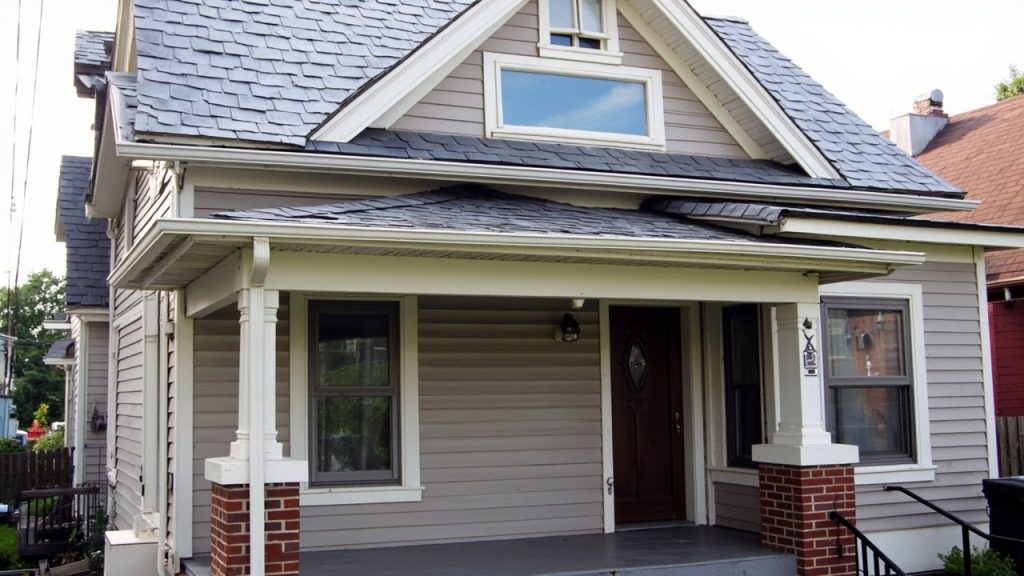
Understanding Ohio City’s Historic Roofing Requirements
Ohio City’s historic district in Cleveland has specific roofing requirements that homeowners must follow when planning any roof work. The Cleveland Landmarks Commission enforces strict guidelines to preserve the architectural integrity of this vibrant neighborhood. Before you even think about selecting shingles or scheduling contractors you need to understand these rules. City of Cleveland.
The district includes over 120 blocks with homes dating from the 1850s to early 1900s. Many feature Victorian Queen Anne and Italianate styles with distinctive rooflines. The commission protects these architectural elements through a rigorous review process. Any exterior changes including roofing require approval.
Homeowners often underestimate the complexity of this process. They assume modern materials will be automatically accepted. This assumption leads to costly delays and rejected applications. Understanding the requirements upfront saves time and prevents expensive mistakes.
The Certificate of Appropriateness Process
The Certificate of Appropriateness or COA serves as your official permission slip for exterior modifications. You cannot legally replace or repair your roof without one. The process begins with submitting detailed plans to the Cleveland Landmarks Commission.
Your application must include specific information. You need to provide existing roof photos from multiple angles. Material samples must accompany your submission. The commission wants to see how your proposed changes will affect the building’s historic character.
Review timelines vary but expect at least 30 days for initial review. The commission meets monthly to evaluate applications. They may request revisions before granting approval. Some applications require multiple rounds of review.
The commission evaluates proposals against the Secretary of the Interior’s Standards for Rehabilitation. These national guidelines help determine if changes preserve historic integrity. Local interpretations can be stricter than federal standards. Secretary of the Interior’s Standards for Rehabilitation.
Approved Roofing Materials for Ohio City
The commission maintains an approved materials list for historic districts. Not all modern roofing products qualify. Understanding these restrictions prevents application rejections.
Slate remains the gold standard for historic homes. Natural slate offers authentic appearance and exceptional durability. Many Ohio City homes originally featured slate roofs. The commission strongly prefers slate for replacements when it was the original material.
Synthetic slate products have gained acceptance in recent years. High-quality synthetic options from manufacturers like DaVinci and EcoStar can pass review. These products must closely match the appearance of natural slate. They offer lower weight and cost than natural slate.
Wood shingles and shakes work well for certain architectural styles. They suit Craftsman and early 20th century homes. The commission requires specific wood species and treatment methods. Cedar remains the most common approved wood.
Standing seam copper roofing gets approval for specific applications. It suits Italianate and other styles with metal roof history. Copper develops a distinctive patina over time. This aging process helps it blend with historic neighborhoods.
Asphalt shingles face significant restrictions. The commission rarely approves standard architectural shingles. If asphalt gets approval it must match the original roof’s profile and color. Three-tab shingles in muted colors have the best chance of approval.
Application Requirements and Documentation
Successful applications require thorough documentation. The commission needs to understand your project completely before making decisions. Incomplete applications face automatic rejection.
Start with detailed roof measurements and drawings. Include roof pitch, area calculations, and existing material specifications. The commission needs to verify your proposed materials will work structurally.
Provide manufacturer specifications for all proposed materials. Include warranty information, fire ratings, and installation requirements. The commission wants assurance your materials meet modern building codes.
Include photos of similar approved projects in Ohio City. Visual examples help reviewers understand your design intent. They show how your proposal fits the neighborhood context.
Address energy efficiency concerns in your application. The commission increasingly considers environmental impact. Explain how your roof design will improve insulation or reduce heat gain.
Budget for professional help with your application. Architects familiar with historic preservation can strengthen your submission. They understand commission preferences and common rejection reasons.
Common Approval Pitfalls to Avoid
Many applications fail due to preventable mistakes. Understanding these pitfalls helps you avoid costly delays.
Modern ventilation systems often trigger rejections. Ridge vents and powered attic fans can disrupt historic rooflines. The commission prefers low-profile ventilation solutions that maintain original appearances.
Color choices significantly impact approval odds. Bright or trendy colors rarely get approval. The commission prefers historically accurate or muted tones. They want roofs that blend with the neighborhood palette.
Material substitutions during construction cause major problems. Changing from approved slate to cheaper asphalt after approval violates your COA. Such changes can result in fines or mandatory removal.
Ignoring minor architectural details leads to rejection. The commission notices things like decorative ridge caps or historical fastening patterns. These details matter for historic authenticity.
Underestimating timeline requirements creates scheduling conflicts. The approval process takes longer than standard permits. Starting work before receiving your COA can stop your project completely.
Working with Ohio City Incorporated
Ohio City Incorporated or OCI provides valuable pre-application guidance. This neighborhood organization works closely with the landmarks commission. They can help you understand local expectations before formal submission.
OCI hosts design review meetings where homeowners get informal feedback. These sessions help identify potential approval issues early. Addressing concerns before formal application saves time.
The organization maintains archives of approved projects. Reviewing these examples helps you understand successful approaches. You can see which materials and designs have worked in similar situations.
OCI staff understand the commission’s decision-making patterns. They can advise on which applications need extra documentation. Their insights come from years of working with the landmarks commission.
Building relationships with OCI members benefits your project. They often serve as informal advocates during the commission process. Their support can strengthen your application.
Cost Considerations for Historic Roofing
Historic roofing materials cost significantly more than standard options. Understanding these cost differences helps you budget accurately.
Natural slate costs $1,500 to $2,500 per square installed. This compares to $400 to $600 for standard asphalt shingles. The price difference reflects material rarity and specialized installation skills.
Synthetic slate offers middle-ground pricing at $800 to $1,200 per square. These products provide slate appearance without the weight and cost. Installation requires less specialized expertise than natural slate.
Copper roofing costs $1,200 to $1,800 per square installed. The material itself costs more than other options. Copper also requires specialized installation skills. However, copper roofs can last over 100 years.
Wood shingles cost $700 to $1,000 per square installed. Premium cedar grades cost more than standard options. Wood requires more maintenance than other materials. Annual treatments help preserve appearance and function.
Factor in additional costs beyond material and labor. Engineering studies may be required for structural modifications. Permit fees for historic districts often exceed standard permit costs. Professional design services add to your budget.
Timeline Expectations for Your Project
Historic roofing projects require longer timelines than standard replacements. Understanding these timeframes helps you plan accordingly.
The COA application process takes 4 to 8 weeks minimum. Complex projects may require 3 to 4 months for approval. Rush reviews are rarely available for historic projects.
Material lead times vary significantly. Natural slate often requires 8 to 12 weeks for delivery. Custom copper orders may take 6 to 8 weeks. Stock materials like synthetic slate ship faster.
Installation timelines depend on project complexity. Simple replacements might take 2 to 3 weeks. Complex projects with structural repairs could require 6 to 8 weeks. Weather delays are common in Cleveland.
Post-installation inspections add time to your project. The commission may require final inspections before you can occupy the building. Schedule these inspections early to avoid delays.
Plan for unexpected discoveries during removal. Historic roofs often hide structural issues. Rotted decking or damaged framing can extend your timeline significantly. Build 2 to 3 weeks of buffer time into your schedule.
Finding Qualified Contractors
Not all roofing contractors understand historic preservation requirements. Finding qualified professionals prevents many common problems.
Look for contractors with historic preservation experience. They understand commission expectations and common approval requirements. These contractors know which details matter most.
Verify contractor familiarity with your specific architectural style. Victorian homes require different approaches than Craftsman or Colonial styles. Experience with your home’s era proves valuable.
Check references specifically for historic projects. Ask past clients about commission approval experiences. Successful COA navigation demonstrates contractor competence.
Ensure contractors understand proper material handling. Slate and copper require specific installation techniques. Improper handling can damage expensive materials before installation begins.
Confirm contractors carry appropriate insurance. Historic districts may have additional liability requirements. Some commissions require proof of insurance before approving projects.
Maintaining Your Historic Roof
Proper maintenance extends the life of historic roofing materials. Understanding maintenance requirements helps protect your investment.
Slate roofs need minimal maintenance when properly installed. Annual inspections identify cracked or slipped tiles. Individual tile replacement prevents water damage to underlying structures.
Copper roofs develop protective patinas over time. This oxidation process protects the metal from corrosion. Avoid cleaning products that remove this natural protection.
Wood shingles require regular treatments to prevent rot and insect damage. Apply preservatives every 2 to 3 years. Replace individual shingles as they show wear or damage.
Keep gutters and downspouts clear to prevent water backup. Historic homes often have complex rooflines with multiple valleys. Proper drainage prevents ice dam formation in winter.
Address moss and algae growth promptly. These organisms trap moisture against roofing materials. They can accelerate deterioration of wood and some synthetic products.
Document all maintenance activities. Keep records of repairs, treatments, and inspections. This documentation helps with future COA applications or insurance claims.
Resources for Ohio City Homeowners
Several organizations provide valuable resources for historic district homeowners. These resources help you navigate the preservation process successfully.
The Cleveland Landmarks Commission maintains online resources. Their website includes application forms, guidelines, and contact information. Review these materials before starting your project.
Ohio City Incorporated offers neighborhood-specific guidance. They understand local commission preferences and common approval patterns. Their staff can answer questions about your specific property.
The Cleveland Restoration Society provides preservation expertise. They offer workshops, consultations, and technical assistance. Their knowledge helps homeowners make informed decisions.
Local historic preservation groups share valuable insights. They understand regional architectural patterns and appropriate materials. Their experience helps avoid common mistakes.
Online forums connect historic homeowners. These communities share experiences and advice. Learning from others’ successes and failures proves valuable.
Making Your Historic Roof Project Successful
Successful historic roofing projects require careful planning and execution. Following established best practices increases your approval odds.
Start planning at least 6 months before your desired start date. This timeline allows for application preparation and review. Rushing the process often leads to rejection.
Engage professionals early in your planning. Architects and preservation consultants strengthen your application. Their expertise helps you avoid common pitfalls.
Communicate clearly with all parties involved. Keep your contractor informed about commission requirements. Ensure everyone understands approval conditions.
Document everything throughout your project. Keep copies of all correspondence and approvals. Photograph existing conditions before starting work.
Be prepared for unexpected challenges. Historic projects often reveal hidden issues. Building flexibility into your timeline and budget prevents major problems.
Remember that preservation serves a larger purpose. Your efforts help maintain Ohio City’s unique character. This preservation benefits the entire community.
Frequently Asked Questions
Do I need a permit to replace my roof in Ohio City?
Yes you need both a building permit and a Certificate of Appropriateness from the Cleveland Landmarks Commission. The COA is specifically required for any exterior modifications in the historic district.
How long does the approval process take?
The Certificate of Appropriateness process typically takes 4 to 8 weeks for initial review. Complex projects may require 3 to 4 months. The commission meets monthly to review applications.
Can I use asphalt shingles on my historic home?
Asphalt shingles face significant restrictions in Ohio City. Standard architectural shingles rarely get approval. If approved they must match the original roof’s profile and use muted colors.
What happens if I start work without approval?
Starting work without a Certificate of Appropriateness can result in stop-work orders fines and mandatory removal of non-compliant materials. The commission takes unauthorized changes seriously.
{
“@context”: “https://schema.org”,
“@type”: “BlogPosting”,
“headline”: “What You Need to Know Before Pitching a Roof Design to the Ohio City Landmarks Commission”,
“description”: “Learn Cleveland’s Ohio City historic district roofing requirements. Get expert tips on navigating the Certificate of Appropriateness process and approved materials.”,
“wordCount”: 1995,
“datePublished”: “2026-05-03T10:30:00.000Z”,
“dateModified”: “2026-05-03T10:30:00.000Z”,
“inLanguage”: “en-US”,
“mainEntityOfPage”: {
“@type”: “WebPage”,
“@id”: “https://alpharoofingcleveland.com”
},
“publisher”: {
“@type”: “LocalBusiness”,
“name”: “Alpha Roofing Cleveland”,
“url”: “https://alpharoofingcleveland.com”
},
“author”: {
“@type”: “Organization”,
“name”: “Alpha Roofing Cleveland”,
“url”: “https://alpharoofingcleveland.com”
},
“image”: {
“@type”: “ImageObject”,
“url”: “https://alpharoofingcleveland.com/wp-content/uploads/2026/03/what-you-need-to-know-before-pitching-a-roof-desig-1.jpg”
}
}
{
“@context”: “https://schema.org”,
“@type”: “RoofingContractor”,
“name”: “Alpha Roofing Cleveland”,
“url”: “https://alpharoofingcleveland.com”,
“address”: {
“@type”: “PostalAddress”,
“addressLocality”: “Cleveland”
},
“areaServed”: {
“@type”: “City”,
“name”: “Cleveland”
}
}
{
“@context”: “https://schema.org”,
“@type”: “FAQPage”,
“mainEntity”: [
{
“@type”: “Question”,
“name”: “Do I need a permit to replace my roof in Ohio City?”,
“acceptedAnswer”: {
“@type”: “Answer”,
“text”: “Yes you need both a building permit and a Certificate of Appropriateness from the Cleveland Landmarks Commission. The COA is specifically required for any exterior modifications in the historic district.”
}
},
{
“@type”: “Question”,
“name”: “How long does the approval process take?”,
“acceptedAnswer”: {
“@type”: “Answer”,
“text”: “The Certificate of Appropriateness process typically takes 4 to 8 weeks for initial review. Complex projects may require 3 to 4 months. The commission meets monthly to review applications.”
}
},
{
“@type”: “Question”,
“name”: “Can I use asphalt shingles on my historic home?”,
“acceptedAnswer”: {
“@type”: “Answer”,
“text”: “Asphalt shingles face significant restrictions in Ohio City. Standard architectural shingles rarely get approval. If approved they must match the original roof’s profile and use muted colors.”
}
},
{
“@type”: “Question”,
“name”: “What happens if I start work without approval?”,
“acceptedAnswer”: {
“@type”: “Answer”,
“text”: “Starting work without a Certificate of Appropriateness can result in stop-work orders fines and mandatory removal of non-compliant materials. The commission takes unauthorized changes seriously.”
}
}
]
}
{
“@context”: “https://schema.org”,
“@type”: “BreadcrumbList”,
“itemListElement”: [
{
“@type”: “ListItem”,
“position”: 1,
“name”: “Home”,
“item”: “https://alpharoofingcleveland.com”
},
{
“@type”: “ListItem”,
“position”: 2,
“name”: “Blog”,
“item”: “https://alpharoofingcleveland.com/blog”
},
{
“@type”: “ListItem”,
“position”: 3,
“name”: “What You Need to Know Before Pitching a Roof Design to the Ohio City Landmarks Commission”
}
]
}
{
“@context”: “https://schema.org”,
“@type”: “Service”,
“serviceType”: “Roofing”,
“provider”: {
“@type”: “LocalBusiness”,
“name”: “Alpha Roofing Cleveland”,
“url”: “https://alpharoofingcleveland.com”
},
“areaServed”: {
“@type”: “City”,
“name”: “Cleveland”
},
“description”: “Learn Cleveland’s Ohio City historic district roofing requirements. Get expert tips on navigating the Certificate of Appropriateness process and approved materials.”
}