
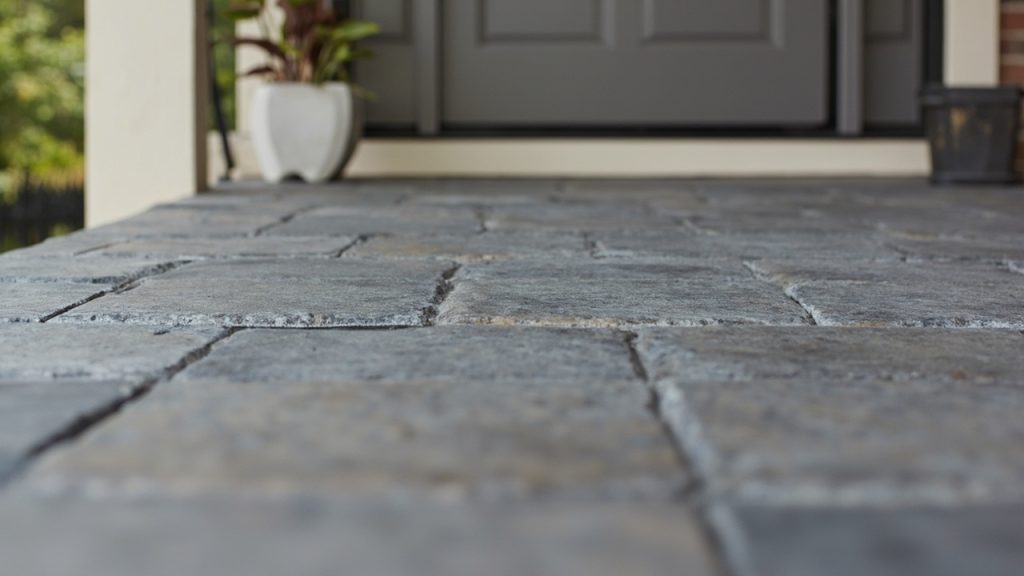
Why Moreland Hills homeowners are choosing high-end composite over traditional slate
Moreland Hills estates have long featured the prestige of natural slate. The deep, textured look signals timeless quality on Tudor, Colonial, and French Country homes. But in 2026 more homeowners are reconsidering that choice. The weight of natural slate often requires structural reinforcement. The cost can run $20,000 to $40,000 higher than alternatives. And the maintenance demands are constant.
Today’s high-end composite slate delivers the same aesthetic with none of those drawbacks. These polymer-based shingles mimic the texture and color variation of real stone. They install on standard roof decks. They resist freeze-thaw damage from Lake Effect snow. And they come with warranties that outlast natural slate.
Homeowners in Moreland Hills and nearby Hunting Valley are making the switch for three reasons: weight savings, durability, and HOA compliance. Let’s break down why composite slate makes sense for luxury homes in Cuyahoga County.
Why weight matters for Moreland Hills roofing
Natural slate weighs between 800 and 1,500 pounds per square. That’s 100 to 150 pounds per square foot. Many homes in Moreland Hills were built before modern engineering standards. Their roof trusses were designed for asphalt shingles or wood shakes, not stone slabs.
Adding natural slate to an older home often means structural reinforcement. That can mean opening walls, adding beams, or even replacing roof trusses. The cost of that work can equal or exceed the cost of the slate itself.
Composite slate weighs between 200 and 400 pounds per square. That’s a 60 to 70 percent reduction in load. Most homes can handle that without any structural changes. That means faster installation, lower labor costs, and no surprises during the build.
Composite also handles freeze-thaw cycles better than natural stone. In Northeast Ohio winters, moisture gets into slate pores. When it freezes it expands and cracks the stone. Composite materials are engineered to resist that expansion. They maintain their shape and color for decades.
Top high-end composite slate brands for Moreland Hills
Not all synthetic slate is created equal. For luxury homes in Moreland Hills, the best options come from brands that specialize in high-end polymer roofing.
DaVinci Roofscapes leads the market with its Bellaforte and Single-Width slate lines. These tiles use virgin resins and UV-resistant pigments. They come in 49 colors and multiple thickness profiles. The result is a slate that fools even trained eyes. DaVinci Roofscapes.
Brava offers a composite slate that mimics Vermont and Buckingham styles. Their tiles have a Class 4 impact rating, meaning they resist hail damage better than most natural stone. They also carry a 50-year limited warranty. Brava composite roofing.
EcoStar produces the Majestic Slate line, which uses recycled rubber and plastic. It has a Class A fire rating and meets Miami-Dade wind standards. That makes it ideal for Moreland Hills homes that face both snow loads and high winds.
All three brands offer tiles that install with hidden fasteners. That means no exposed nails or screws. The finished roof looks like hand-laid stone without the gaps or uneven edges of natural slate.
Comparing composite vs. natural slate: key factors
Choosing between composite and natural slate comes down to five factors: weight, cost, lifespan, maintenance, and appearance. Here’s how they stack up.
| Factor | Natural Slate | Composite Slate |
|---|---|---|
| Weight per square | 800-1,500 lbs | 200-400 lbs |
| Installed cost | $20,000-$40,000+ | $12,000-$25,000 |
| Expected lifespan | 75-100 years | 50+ years |
| Maintenance | High (inspections, repairs) | Low (periodic cleaning) |
| Freeze-thaw resistance | Moderate (cracking risk) | High (engineered durability) |
Composite slate costs less upfront and installs faster. It also avoids the structural reinforcement costs that natural slate often triggers. The lifespan is shorter but still exceeds most homeowners’ time in the home.
Maintenance is where composite shines. Natural slate requires periodic inspections for cracked or slipped tiles. Repairs often need a specialist. Composite tiles resist cracking and stay in place. Cleaning with a low-pressure wash every few years keeps them looking new.
Handling Cuyahoga County’s climate
Moreland Hills sits in the heart of Lake Effect snow country. Winter storms can drop two to three feet of snow in 24 hours. That weight adds stress to any roof. Freeze-thaw cycles follow, with daytime thaws and nighttime freezes creating ice dams.
Natural slate handles snow well but struggles with ice. Water seeps into pores, freezes, and expands. Over time that causes spalling, where the surface flakes off. Composite materials are non-porous. They shed water and resist ice formation.
Summer in Northeast Ohio brings high humidity and occasional severe storms. Wind gusts off Lake Erie can exceed 60 mph. Both natural and composite slate must meet wind rating standards. Most high-end composites carry a Class H rating, meaning they can withstand winds up to 150 mph.
UV exposure is another factor. Natural slate can fade over decades. Composite tiles use UV inhibitors to maintain color. Many brands offer fade-resistant warranties that cover 25 years or more.
HOA and building code considerations
Moreland Hills has strict architectural standards. The Architectural Review Board (ARB) reviews exterior changes to ensure they fit the neighborhood’s character. Natural slate has been the gold standard for decades. But composite options are gaining acceptance.
The key is choosing a product that mimics natural slate in color, texture, and profile. DaVinci’s Bellaforte line, for example, replicates the thickness variation of hand-split stone. Brava’s tiles have a similar irregularity. Both have been approved in nearby communities like Gates Mills and Chagrin Falls.
Building codes in Cuyahoga County require ice and water shield in roof valleys and along eaves. That applies to both natural and composite slate. The shield prevents water intrusion from ice dams. Most contractors install a self-adhering membrane that bonds to the deck.
Ventilation is another code requirement. Roof assemblies need intake and exhaust vents to prevent heat buildup. That’s especially important in homes with complex rooflines common in Moreland Hills. Proper ventilation extends the life of both natural and composite materials.
Cost-benefit analysis for luxury homes
For high-end homes, the decision often comes down to ROI. Natural slate adds prestige but at a steep price. Composite slate delivers 80 percent of the look for 60 percent of the cost.
Consider a 3,000-square-foot home in Moreland Hills. A natural slate roof might cost $30,000 installed. If structural work is needed, that can jump to $45,000. Composite slate for the same home runs $18,000 to $22,000.
The composite option also saves on installation time. A crew can lay 80 to 100 squares of composite in a week. Natural slate often takes two to three weeks. That means less disruption and lower labor costs.
Resale value is another factor. Moreland Hills buyers expect quality roofing. A composite slate roof with a strong warranty can be a selling point. It signals the owner invested in durability without overspending.
Insurance is worth considering. Some carriers offer discounts for impact-resistant roofing. Composite slate with a Class 4 rating may qualify. That can offset some of the upfront cost over time.
Installation best practices
Installing composite slate requires precision. Unlike asphalt shingles, these tiles need specific underlayment and fastening patterns. The underlayment is usually a high-temperature synthetic felt. That resists heat degradation and provides a secondary water barrier.
Fasteners matter. Most manufacturers require stainless steel or hot-dipped galvanized nails. The nails must be long enough to penetrate the deck but not so long they protrude into the attic. Overdriven nails can crack tiles. Underdriven nails can back out in high winds.
Flashing is another critical step. Valleys, chimneys, and roof penetrations need metal flashing. Copper is common on luxury homes for its durability and appearance. The flashing must integrate with the tile layout to prevent water intrusion.
Finally, cleanup is essential. Composite tiles can break if walked on improperly. Contractors use walk boards or roof jacks to distribute weight. They also remove all debris to prevent staining or damage to landscaping.
Why Moreland Hills homeowners are making the switch
The trend toward composite slate in Moreland Hills reflects broader changes in luxury home building. Homeowners want the look of natural materials without the drawbacks. They also value sustainability. Many composite products use recycled content and last longer than traditional options.
Local contractors report a 30 percent increase in composite slate inquiries over the past two years. Most clients are replacing aging asphalt roofs or upgrading from cedar shakes. They want a roof that matches their home’s architecture and stands up to Northeast Ohio weather.
The decision often comes down to peace of mind. Composite slate offers a predictable cost, a known installation timeline, and a warranty that covers decades. That certainty is valuable in a market where natural slate can bring surprises.
Frequently Asked Questions
Does composite slate look as good as natural slate?
Yes. High-end composite products use molds from real slate. They replicate color variation, texture, and thickness. From the street, most people can’t tell the difference.
How long does composite slate last?
Most manufacturers offer 50-year limited warranties. With proper installation and maintenance, the tiles can last 60 to 70 years.
Can I install composite slate over my existing roof?
Sometimes. It depends on the deck condition and local codes. A professional inspection can determine if a layover is possible or if tear-off is needed.
Is composite slate environmentally friendly?
Many products use recycled materials. They also last longer than asphalt, reducing landfill waste. Some brands offer take-back programs for end-of-life recycling.
Will my HOA approve composite slate?
Most luxury HOAs now accept high-end composite products. The key is choosing a tile that matches the neighborhood’s aesthetic. Approval often requires a sample submission to the ARB.
Ready to upgrade your Moreland Hills home?
Composite slate offers the beauty of natural stone without the weight, cost, or maintenance headaches. Whether you’re building new or replacing an aging roof, it’s worth considering.
Schedule a free consultation with a local roofing expert. They’ll assess your home, show you material samples, and provide a detailed estimate. Don’t wait until winter storms reveal weaknesses in your current roof.
Contact us today to learn more about high-end composite slate options for Moreland Hills homes. Your dream roof is closer than you think.
{
“@context”: “https://schema.org”,
“@type”: “BlogPosting”,
“headline”: “Why more Moreland Hills homeowners are choosing high-end composite over traditional slate”,
“description”: “Discover why Moreland Hills luxury homes are switching to high-end composite roofing. Learn about weight savings, durability, and HOA compliance in Cuyahoga County.”,
“wordCount”: 1676,
“datePublished”: “2026-04-12T06:39:00.000Z”,
“dateModified”: “2026-04-12T06:39:00.000Z”,
“inLanguage”: “en-US”,
“mainEntityOfPage”: {
“@type”: “WebPage”,
“@id”: “https://alpharoofingcleveland.com”
},
“publisher”: {
“@type”: “LocalBusiness”,
“name”: “Alpha Roofing Cleveland”,
“url”: “https://alpharoofingcleveland.com”
},
“author”: {
“@type”: “Organization”,
“name”: “Alpha Roofing Cleveland”,
“url”: “https://alpharoofingcleveland.com”
},
“image”: {
“@type”: “ImageObject”,
“url”: “https://alpharoofingcleveland.com/wp-content/uploads/2026/03/why-more-moreland-hills-homeowners-are-choosing-hi-1.jpg”
}
}
{
“@context”: “https://schema.org”,
“@type”: “RoofingContractor”,
“name”: “Alpha Roofing Cleveland”,
“url”: “https://alpharoofingcleveland.com”,
“address”: {
“@type”: “PostalAddress”,
“addressLocality”: “Cleveland”
},
“areaServed”: {
“@type”: “City”,
“name”: “Cleveland”
}
}
{
“@context”: “https://schema.org”,
“@type”: “FAQPage”,
“mainEntity”: [
{
“@type”: “Question”,
“name”: “Does composite slate look as good as natural slate?”,
“acceptedAnswer”: {
“@type”: “Answer”,
“text”: “Yes. High-end composite products use molds from real slate. They replicate color variation, texture, and thickness. From the street, most people can’t tell the difference.”
}
},
{
“@type”: “Question”,
“name”: “How long does composite slate last?”,
“acceptedAnswer”: {
“@type”: “Answer”,
“text”: “Most manufacturers offer 50-year limited warranties. With proper installation and maintenance, the tiles can last 60 to 70 years.”
}
},
{
“@type”: “Question”,
“name”: “Can I install composite slate over my existing roof?”,
“acceptedAnswer”: {
“@type”: “Answer”,
“text”: “Sometimes. It depends on the deck condition and local codes. A professional inspection can determine if a layover is possible or if tear-off is needed.”
}
},
{
“@type”: “Question”,
“name”: “Is composite slate environmentally friendly?”,
“acceptedAnswer”: {
“@type”: “Answer”,
“text”: “Many products use recycled materials. They also last longer than asphalt, reducing landfill waste. Some brands offer take-back programs for end-of-life recycling.”
}
},
{
“@type”: “Question”,
“name”: “Will my HOA approve composite slate?”,
“acceptedAnswer”: {
“@type”: “Answer”,
“text”: “Most luxury HOAs now accept high-end composite products. The key is choosing a tile that matches the neighborhood’s aesthetic. Approval often requires a sample submission to the ARB.”
}
},
{
“@type”: “Question”,
“name”: “Ready to upgrade your Moreland Hills home?”,
“acceptedAnswer”: {
“@type”: “Answer”,
“text”: “Composite slate offers the beauty of natural stone without the weight, cost, or maintenance headaches. Whether you’re building new or replacing an aging roof, it’s worth considering.”
}
}
]
}
{
“@context”: “https://schema.org”,
“@type”: “BreadcrumbList”,
“itemListElement”: [
{
“@type”: “ListItem”,
“position”: 1,
“name”: “Home”,
“item”: “https://alpharoofingcleveland.com”
},
{
“@type”: “ListItem”,
“position”: 2,
“name”: “Blog”,
“item”: “https://alpharoofingcleveland.com/blog”
},
{
“@type”: “ListItem”,
“position”: 3,
“name”: “Why more Moreland Hills homeowners are choosing high-end composite over traditional slate”
}
]
}
{
“@context”: “https://schema.org”,
“@type”: “Service”,
“serviceType”: “Roofing”,
“provider”: {
“@type”: “LocalBusiness”,
“name”: “Alpha Roofing Cleveland”,
“url”: “https://alpharoofingcleveland.com”
},
“areaServed”: {
“@type”: “City”,
“name”: “Cleveland”
},
“description”: “Discover why Moreland Hills luxury homes are switching to high-end composite roofing. Learn about weight savings, durability, and HOA compliance in Cuyahoga County.”
}