
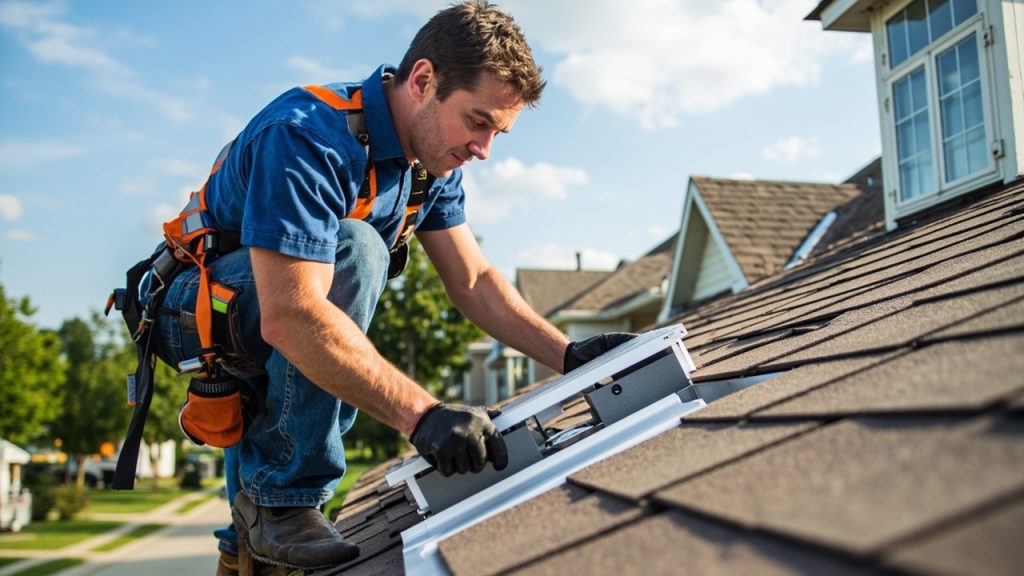
Why North Royalton Homeowners Should Monitor Their Attic Temperatures in the Middle of July
When the thermometer outside reads 90°F in North Royalton during July your attic can climb to 150°F or higher within hours. That extreme heat does not just make your upstairs bedrooms uncomfortable. It slowly bakes your shingles from below accelerating granule loss curling edges and shortening your roof’s lifespan by years.
This article explains the science behind attic heat damage how Cleveland’s humidity makes it worse and what you can do right now to protect your investment.
How Hot Attics Destroy Roofing Materials
Roofing systems are designed to handle heat from above not from below. When attic air exceeds 140°F the roof deck itself becomes a heat source radiating upward through the shingles. This creates a phenomenon called thermal shock where materials expand and contract at different rates cracking adhesives and warping wood.
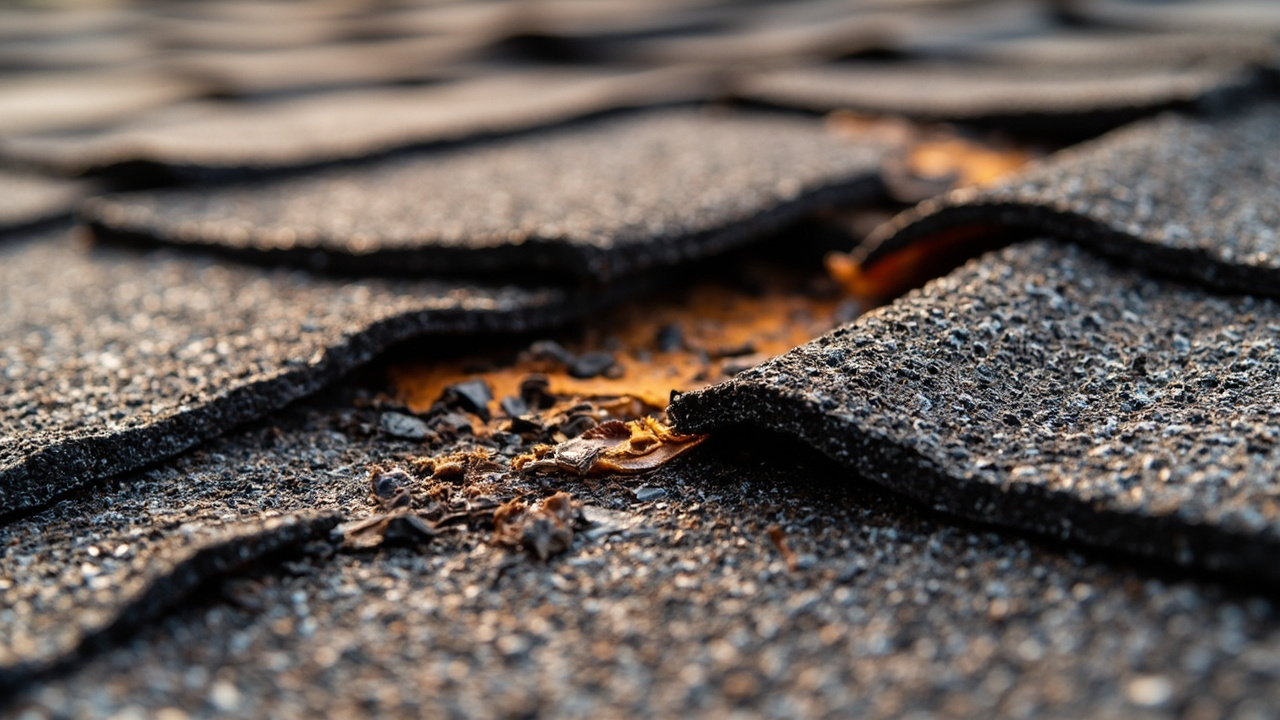
Asphalt shingles in particular suffer because their fiberglass mat base loses flexibility when overheated. The protective mineral granules begin to flake away exposing the asphalt to UV radiation. Once those granules are gone water intrusion accelerates and the underlayment degrades even faster.
In Cleveland’s climate the problem compounds. Our summer humidity means moist air trapped in the attic condenses on cool surfaces creating a perfect environment for mold growth. That moisture also weakens the roof deck from the inside out making it more susceptible to the freeze-thaw cycles we see every winter.
Signs Your Attic Temperature Is Too High
You might already be seeing the warning signs without realizing their cause. Here are the most common indicators:
- Curling or buckling shingles on the south and west-facing slopes
- Excessive granule loss in your gutters after summer storms
- Ice dam formation along the eaves during winter (a direct result of summer heat melting snow from below)
- Mold spots on attic rafters or insulation
- Higher than expected cooling bills as your HVAC fights against a superheated attic
If you notice two or more of these issues your attic temperature is likely exceeding safe levels.
The Cleveland Factor: Humidity and Lake Effect
North Royalton sits just far enough inland to avoid the worst of Lake Erie’s snow bands but close enough to feel the humidity. When warm moist air from the lake moves inland it gets trapped in poorly ventilated attics. Unlike drier climates where heat can escape more easily our humid air holds onto that thermal energy creating a greenhouse effect.
This is why homes in Parma and Strongsville often show more severe heat damage than similar homes in Columbus or Cincinnati. The combination of high humidity and temperature creates a perfect storm for accelerated roof aging.
Winter compounds the issue. The heat that built up all summer creates an uneven roof surface. When snow falls it melts from the bottom up along the heated areas then refreezes at the colder eaves forming ice dams. Those ice dams force water under shingles leading to leaks that appear months after the initial heat damage occurred.
Ventilation Solutions That Actually Work
Proper attic ventilation is not just about adding more vents. It is about creating balanced airflow that moves hot air out as quickly as it enters. The most effective systems use a combination of intake and exhaust vents working together.
Soffit vents installed along the eaves allow cool air to enter at the lowest point. Ridge vents along the peak provide a continuous exhaust path. When these work together they create natural convection that can reduce attic temperatures by 20 to 30 degrees even on the hottest July days.
For homes with complex rooflines or limited ridge length powered attic fans can help. Solar-powered models eliminate operating costs while still providing the airflow needed to keep temperatures in check. The key is sizing these systems correctly. A fan that is too small wastes electricity while one that is too large can create negative pressure that pulls conditioned air from your living space.
Insulation: The Other Half of the Equation
Ventilation without proper insulation is like bailing water from a leaky boat. You are treating the symptom not the cause. In Cleveland most homes need at least R-49 insulation in the attic floor to meet current building codes and provide adequate thermal resistance.
Older homes in neighborhoods like North Olmsted and Berea often have only R-19 or less. That insufficient insulation allows heat to radiate down into living spaces in summer and up into the attic in winter. Adding insulation not only protects your roof but also reduces energy costs year-round.
Pay special attention to areas around light fixtures and attic access points. These gaps can account for significant heat loss even in well-insulated spaces. Baffles installed between rafters ensure that insulation does not block the intake vents at the eaves.
DIY Temperature Monitoring
You do not need expensive equipment to check your attic temperature. A simple indoor outdoor thermometer placed in the attic can give you a baseline. On a sunny July afternoon compare the attic reading to the outdoor temperature. If the difference exceeds 30 degrees you likely have a ventilation problem.
For more precise monitoring smart thermostats with remote sensors can track attic temperatures over time. This data helps identify patterns like which sides of the house heat up fastest or whether ventilation improves after sundown.
Pay attention to how your home feels on hot days. If upstairs bedrooms are significantly warmer than downstairs even with the AC running your attic is likely trapping heat that radiates down through the ceiling.
Cost vs Benefit Analysis
Installing proper ventilation typically costs between $1,500 and $3,000 depending on roof complexity and the type of system chosen. Compare that to the cost of premature roof replacement which can run $8,000 to $15,000 for an average home in the Cleveland area.
Beyond the direct roofing savings consider the energy benefits. A cooler attic means your air conditioner runs less often reducing wear and lowering utility bills. Many homeowners see a 15 to 20 percent reduction in cooling costs after improving attic ventilation.
There is also the warranty factor. Most major shingle manufacturers require minimum ventilation standards to maintain warranty coverage. If your attic temperatures are too high you might void that warranty leaving you responsible for replacement costs years earlier than necessary.
Local Building Code Requirements
Cuyahoga County and the city of North Royalton follow the Ohio Residential Code which specifies minimum ventilation requirements. The code calls for one square foot of net free ventilation area for every 150 square feet of attic space. This can be reduced to 1:300 if certain conditions are met like balanced intake and exhaust and vapor barrier installation.
Local roofing contractors must also comply with ice and water shield requirements. In Cleveland that means installing waterproof underlayment extending at least 24 inches inside the exterior wall line along eaves. This protects against ice dam damage but does not address the underlying heat buildup that causes the dams in the first place.
Permits are required for most ventilation improvements. The inspection process ensures that new vents do not compromise fire ratings or create moisture traps that could lead to mold growth.
Common Mistakes to Avoid
Many homeowners make ventilation improvements that actually make the problem worse. One common error is adding more exhaust vents without increasing intake. This creates negative pressure that can pull conditioned air from your living space or even backdraft dangerous gases from water heaters and furnaces.
Another mistake is blocking soffit vents with insulation. Even the best ridge vent system cannot work if air cannot enter at the eaves. Baffles prevent this but many older homes lack them entirely.
Some try to solve the problem by simply adding more insulation. While insulation is important it cannot replace proper airflow. In fact adding insulation without addressing ventilation can trap even more heat in the attic.
Professional Assessment Options
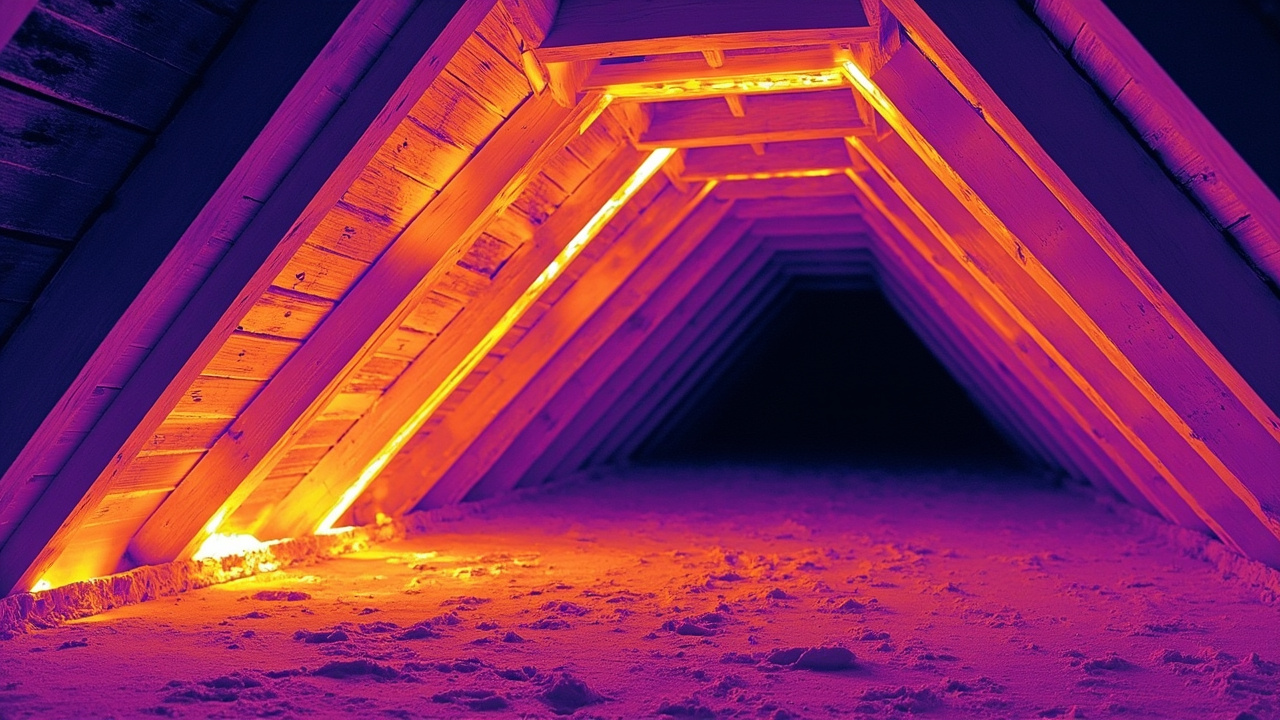
If you are unsure about your attic’s condition a professional assessment can identify specific problems. Many roofing contractors offer free ventilation inspections that include temperature readings infrared scans to detect heat patterns and airflow measurements.
During an assessment look for contractors who explain the science behind their recommendations rather than just pushing a particular product. A good assessment should include both immediate fixes and long-term solutions tailored to your home’s specific construction and local climate conditions.
Ask about energy audits as well. Many utility companies offer rebates for improvements that increase efficiency and a comprehensive audit can identify issues beyond just attic ventilation.
Seasonal Timing for Improvements
July is actually an ideal time to assess attic ventilation because temperatures are at their peak. You can see exactly how hot the space gets and whether your current system is adequate. However installation is often best done in spring or fall when roofing work is less physically demanding for crews and material costs may be lower.
If you discover problems in July do not wait to address them. The heat damage occurring now will affect your roof’s performance this winter when ice dams form. Temporary solutions like portable attic fans can help until permanent improvements are made.
Protecting Your Investment Long-Term
Roof replacement is one of the most significant home investments you will make. In Cleveland where roofs face both summer heat and winter ice proper ventilation can extend that investment by five to ten years or more.
Beyond ventilation consider the complete roofing system. High-quality underlayment proper flashing around chimneys and skylights and impact-resistant shingles all contribute to longevity. But none of these matter if the attic below is cooking your roof from the inside out.
Regular inspections help catch problems early. After severe weather events or at seasonal transitions check for signs of heat damage like granule loss or curling. Addressing these issues promptly prevents the cascade of failures that leads to premature replacement.
Frequently Asked Questions
How hot is too hot for an attic?
Attic temperatures should stay within 10 to 20 degrees of the outdoor temperature. When they exceed 130 degrees on a 90-degree day you have a ventilation problem that needs attention.
Will improving attic ventilation lower my energy bills?
Yes. A cooler attic reduces the heat radiating down into your living space meaning your air conditioner runs less often. Many homeowners see 15 to 20 percent savings on cooling costs.
Can I install ventilation myself?
Simple additions like extra gable vents can be DIY projects but proper system design requires understanding airflow dynamics and building codes. Improper installation can create more problems than it solves.
How long does ventilation improvement take?
Most residential ventilation projects take one to two days depending on roof complexity and weather conditions. This includes installation of new vents baffles if needed and any necessary repairs to existing components.
Does attic ventilation help in winter too?
Absolutely. Proper ventilation keeps the attic cold in winter preventing the freeze-thaw cycles that cause ice dams. The same system that protects against summer heat also prevents winter damage.
Take Action Before Your Roof Suffers
Your attic temperature right now could be silently destroying your roof. The heat damage happening this July will show up as curling shingles ice dams and leaks this winter. Do not wait until you need an expensive replacement to address the problem.
Start with a simple temperature check. If your attic is more than 30 degrees hotter than outside it is time for professional assessment. Contact a local roofing contractor who understands Cleveland’s unique climate challenges and can design a ventilation system that protects your home year-round.
The cost of prevention is always less than the cost of replacement. Your roof protects everything inside your home. Make sure it gets the protection it needs from below.
{
“@context”: “https://schema.org”,
“@type”: “BlogPosting”,
“headline”: “Why North Royalton Homeowners Should Monitor Their Attic Temperatures in the Middle of July”,
“description”: “Learn why attic temperatures above 150°F can damage your Cleveland roof this July. Discover local ventilation solutions to protect your home.”,
“wordCount”: 1942,
“datePublished”: “2026-05-23T08:35:00.000Z”,
“dateModified”: “2026-05-23T08:35:00.000Z”,
“inLanguage”: “en-US”,
“mainEntityOfPage”: {
“@type”: “WebPage”,
“@id”: “https://alpharoofingcleveland.com”
},
“publisher”: {
“@type”: “LocalBusiness”,
“name”: “Alpha Roofing Cleveland”,
“url”: “https://alpharoofingcleveland.com”
},
“author”: {
“@type”: “Organization”,
“name”: “Alpha Roofing Cleveland”,
“url”: “https://alpharoofingcleveland.com”
},
“image”: {
“@type”: “ImageObject”,
“url”: “https://alpharoofingcleveland.com/wp-content/uploads/2026/03/why-north-royalton-homeowners-should-monitor-their-1.jpg”
}
}
{
“@context”: “https://schema.org”,
“@type”: “RoofingContractor”,
“name”: “Alpha Roofing Cleveland”,
“url”: “https://alpharoofingcleveland.com”,
“address”: {
“@type”: “PostalAddress”,
“addressLocality”: “Cleveland”
},
“areaServed”: {
“@type”: “City”,
“name”: “Cleveland”
}
}
{
“@context”: “https://schema.org”,
“@type”: “FAQPage”,
“mainEntity”: [
{
“@type”: “Question”,
“name”: “How hot is too hot for an attic?”,
“acceptedAnswer”: {
“@type”: “Answer”,
“text”: “Attic temperatures should stay within 10 to 20 degrees of the outdoor temperature. When they exceed 130 degrees on a 90-degree day you have a ventilation problem that needs attention.”
}
},
{
“@type”: “Question”,
“name”: “Will improving attic ventilation lower my energy bills?”,
“acceptedAnswer”: {
“@type”: “Answer”,
“text”: “Yes. A cooler attic reduces the heat radiating down into your living space meaning your air conditioner runs less often. Many homeowners see 15 to 20 percent savings on cooling costs.”
}
},
{
“@type”: “Question”,
“name”: “Can I install ventilation myself?”,
“acceptedAnswer”: {
“@type”: “Answer”,
“text”: “Simple additions like extra gable vents can be DIY projects but proper system design requires understanding airflow dynamics and building codes. Improper installation can create more problems than it solves.”
}
},
{
“@type”: “Question”,
“name”: “How long does ventilation improvement take?”,
“acceptedAnswer”: {
“@type”: “Answer”,
“text”: “Most residential ventilation projects take one to two days depending on roof complexity and weather conditions. This includes installation of new vents baffles if needed and any necessary repairs to existing components.”
}
},
{
“@type”: “Question”,
“name”: “Does attic ventilation help in winter too?”,
“acceptedAnswer”: {
“@type”: “Answer”,
“text”: “Absolutely. Proper ventilation keeps the attic cold in winter preventing the freeze-thaw cycles that cause ice dams. The same system that protects against summer heat also prevents winter damage.”
}
}
]
}
{
“@context”: “https://schema.org”,
“@type”: “BreadcrumbList”,
“itemListElement”: [
{
“@type”: “ListItem”,
“position”: 1,
“name”: “Home”,
“item”: “https://alpharoofingcleveland.com”
},
{
“@type”: “ListItem”,
“position”: 2,
“name”: “Blog”,
“item”: “https://alpharoofingcleveland.com/blog”
},
{
“@type”: “ListItem”,
“position”: 3,
“name”: “Why North Royalton Homeowners Should Monitor Their Attic Temperatures in the Middle of July”
}
]
}
{
“@context”: “https://schema.org”,
“@type”: “Service”,
“serviceType”: “Roofing”,
“provider”: {
“@type”: “LocalBusiness”,
“name”: “Alpha Roofing Cleveland”,
“url”: “https://alpharoofingcleveland.com”
},
“areaServed”: {
“@type”: “City”,
“name”: “Cleveland”
},
“description”: “Learn why attic temperatures above 150°F can damage your Cleveland roof this July. Discover local ventilation solutions to protect your home.”
}
For more information, visit U.S. Department of Energy attic ventilation guide. For more information, visit International Association of Certified Home Inspectors ventilation guide.