
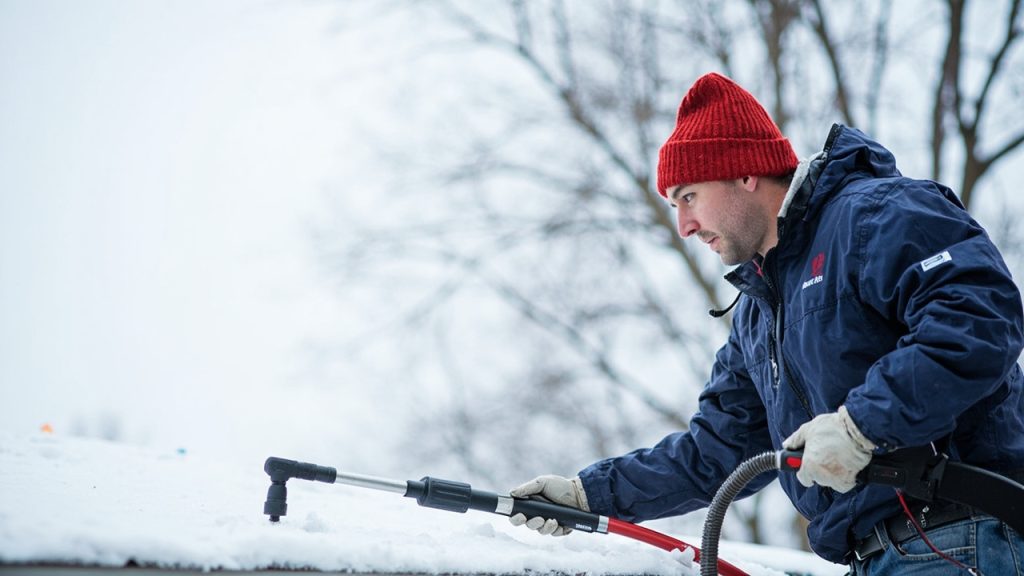
Why Steaming Is the Only Safe Way to Remove Ice Dams from Your Cleveland Heights Home
Ice dams form when snow melts on your roof then refreezes at the eaves creating a barrier that traps water. This trapped water backs up under shingles and into your home causing ceiling stains warped drywall and ruined insulation. In Cleveland Heights where Lake Effect snow piles up fast and temperatures yo-yo between freezing and thawing these ice dams can form overnight and cause thousands of dollars in damage.
Traditional removal methods like chipping with hammers or using pressure washers might seem quick but they destroy shingles and void warranties. Steam is different. It uses high-temperature low-pressure vapor to melt ice without damaging your roof.
How Ice Dams Form in Cleveland Heights
Cleveland Heights sits in the heart of Northeast Ohio’s snow belt. The area gets hammered by Lake Effect snow when cold winds sweep across Lake Erie picking up moisture then dumping it as heavy wet snow on the eastern suburbs. This snow combined with the freeze-thaw cycles common in January and February creates perfect conditions for ice dam formation.
The process starts when heat escapes from your attic warming the roof surface. Snow melts on the warm sections then runs down to the colder eaves where it refreezes. Over days this ice builds up forming a dam. Water pools behind it and finds its way under shingles through tiny gaps.
Older homes in Cleveland Heights often have inadequate attic insulation or ventilation making them especially vulnerable. Many houses built in the 1920s through 1950s have original fiberglass or none at all. Heat loss through the roof becomes a major problem.
Why Steam Beats Every Other Removal Method
Steam operates at temperatures above 300°F but at pressures below 300 PSI. This combination melts ice instantly while being gentle enough to protect asphalt shingles metal flashing and gutter systems. Pressure washers by contrast use 1500-3000 PSI water jets that blast away shingle granules and can tear off entire sections of roofing.
Mechanical methods like hatchets and ice picks create impact damage. Even careful hammering can crack brittle shingles in cold weather. Chemical de-icers can corrode metal components and damage surrounding landscaping.
Steam penetrates ice at a molecular level turning it directly to water vapor. This means no physical impact no chemical residue and no risk of driving ice shards under remaining shingles.
The Science Behind Low-Pressure Steam
Professional ice dam steamers use diesel or propane burners to heat water to 280-320°F. The steam travels through specialized hoses to a wand with a narrow tip. When the steam contacts ice it absorbs the latent heat of fusion causing the ice to melt without requiring mechanical force.
The low pressure is key. At 150-250 PSI the steam has enough force to direct the vapor but not enough to damage roofing materials. This is dramatically different from pressure washers that can exceed 3000 PSI and strip paint from siding.
The steam also dries as it works. As ice turns to vapor there’s no standing water left behind to refreeze. This helps prevent the ice dam from reforming immediately after removal.
Common Ice Dam Warning Signs
Ice dams often develop before you notice them. Watch for these warning signs:
- Large icicles hanging from gutters
- Water stains on ceilings beneath exterior walls
- Peeling paint or bubbling drywall near corners
- Ice buildup in gutters that extends onto the roof
- Drafts or cold spots in rooms beneath the roofline
In Cleveland Heights many homes have complex rooflines with multiple valleys and dormers. These architectural features create areas where snow accumulates and ice dams form more easily. Pay special attention to north-facing slopes and areas sheltered from sun.
Emergency Ice Dam Removal Process
When you call for emergency service here’s what happens:
- Assessment
Technician evaluates ice dam extent roof pitch and potential water entry points. They check for active leaks and identify the most critical areas.
- Setup
Steamer is positioned on the ground with hoses run to the work area. Safety equipment including harnesses and non-slip boots are donned.
- Steam Application
Technician begins at the ice dam’s edge working upward. Steam melts channels through the ice allowing trapped water to escape.
- Gutter Clearing
Ice is removed from gutters and downspouts to restore drainage. This prevents water from backing up again.
- Final Check
Roof is inspected for damage and all ice is removed from critical areas. Technician provides prevention recommendations.
Ice Dam Removal Costs in Cleveland
Ice dam removal pricing depends on several factors. Most companies charge by the hour with rates typically ranging from $350 to $600 per hour. A typical residential job takes 2-4 hours depending on ice thickness and roof accessibility.
Factors affecting cost include:
| Factor | Impact on Cost |
|---|---|
| Roof pitch | Steeper roofs require more safety equipment and time |
| Ice thickness | Thicker ice takes longer to melt completely |
| Accessibility | Hard-to-reach areas may require additional equipment |
| Emergency timing | After-hours and weekend calls often have premium rates |
| Multiple stories | Taller homes require more setup and safety measures |
Most insurance policies cover ice dam removal if there’s active water intrusion. Document damage with photos and contact your insurance company immediately when you notice leaks.
Preventing Future Ice Dams
Prevention is more cost-effective than emergency removal. Start with these steps:
- Improve attic insulation to R-49 or higher for Ohio’s climate
- Ensure proper ventilation with soffit and ridge vents
- Seal attic bypasses where heat escapes through light fixtures and plumbing vents
- Install heat cables in problem areas after professional evaluation
- Keep gutters clean in fall to prevent ice buildup
Heat cables can help but they’re not a substitute for proper insulation. When installed correctly they provide targeted melting in valleys and along eaves where ice dams commonly form.
Why Cleveland Heights Homes Are Especially Vulnerable
Cleveland Heights features many homes built between 1900 and 1950 with complex rooflines multiple dormers and original ventilation systems. These architectural details create numerous valleys and crevices where snow accumulates and ice forms.
The area’s mature tree canopy also contributes to the problem. Shade from large oaks and maples keeps certain roof areas colder longer allowing ice to build up even when other sections have melted.
Many Cleveland Heights homes have converted attics or finished third floors. These renovations often include knee walls that complicate ventilation and create isolated cold spots perfect for ice dam formation.
Professional vs. DIY Ice Dam Removal
DIY methods carry significant risks. Using a hammer risks shingle damage. Pressure washers can strip granules and void warranties. Even salt or chemical de-icers can discolor shingles and kill nearby plants.
Professional steamers have the right equipment and training. They understand how to work safely on steep roofs and can identify potential damage before it becomes a major problem. They also carry insurance that protects you if accidents occur.
The cost of professional removal is minimal compared to repairing water damage inside your home. A single ceiling repair can cost $1000-$3000 while professional ice dam removal typically runs $500-$1500. EPA roofing and ventilation guidelines.
Finding a Qualified Ice Dam Removal Service
Not all ice dam removal companies use true steam. Some use hot water pressure washers and call it steam. Ask specific questions:
- What is the operating temperature and pressure?
- Do you use actual steam or hot water?
- Are you insured for roof work?
- Can you provide local references?
- Do you offer emergency 24/7 service?
True steam operates above 280°F. Anything less is just hot water that can damage your roof.
Insurance Considerations for Ice Dams
Most homeowners insurance policies cover ice dam damage if it’s sudden and accidental. However they may not cover removal costs unless there’s active water intrusion.
Document everything. Take photos of ice buildup water stains and any damage. Keep receipts for emergency services. Contact your insurance company as soon as you notice problems.
Some policies have specific exclusions for ice dams. Review your coverage or ask your agent about ice and snow damage provisions.
Long-Term Roofing Solutions
If you’re experiencing recurring ice dams consider these upgrades:
- Install ice and water shield underlayment when replacing your roof
- Add extra insulation in the attic floor
- Upgrade to a properly vented ridge and soffit system
- Consider a metal roof which sheds snow more effectively
- Install gutter guards to prevent debris buildup
These improvements cost more upfront but prevent the cycle of ice dam formation and emergency removal.
Local Climate Factors Affecting Ice Dams
Cleveland Heights experiences some of the most extreme freeze-thaw cycles in Ohio. Average January temperatures hover around 29°F with frequent swings above and below freezing. This temperature volatility is perfect for ice dam formation.
The area typically receives 60-80 inches of snow annually with Lake Effect storms capable of dumping 12-18 inches in 24 hours. This heavy snow load insulates the roof while warming from below creates melt conditions.
Wind patterns in Cleveland Heights can create snow drifts on certain roof faces while leaving others bare. These drifts often accumulate in areas where ice dams later form.
Emergency Response Times
During major snow events ice dam removal companies get booked solid. Most reputable services maintain 24/7 emergency lines but wait times can extend to 24-48 hours during peak demand.
Early intervention is key. Call when you first notice ice buildup rather than waiting for water to enter your home. This proactive approach often means same-day service and prevents interior damage.
Many companies prioritize customers with active leaks or homes with vulnerable occupants like elderly residents or those with medical equipment.
Environmental Impact of Steam Removal
Steam removal is environmentally friendly compared to chemical methods. It uses only water and produces no harmful runoff. The diesel or propane used to heat the water consumes less energy than manufacturing and shipping chemical de-icers.
Steam also preserves your existing roofing materials. This means you won’t need premature roof replacement due to damage from aggressive removal methods.
The water vapor quickly dissipates into the atmosphere causing no soil or groundwater contamination.
Cost-Benefit Analysis
Consider the math. Professional steam removal costs $500-$1500. Water damage repair from ice dam leaks can easily exceed $5000 for ceiling replacement drywall repair and painting.
Recurring ice dams that cause multiple leaks each winter can cost $10000-$20000 over five years in repairs. Prevention through proper insulation and ventilation costs $2000-$5000 but eliminates these recurring expenses.
The steam removal itself is an investment in protecting your home’s value and preventing more expensive problems.
Common Misconceptions About Ice Dams
Many homeowners believe gutters cause ice dams. While clogged gutters can contribute they’re not the primary cause. Ice dams form on the roof surface due to heat loss from the home.
Another myth is that you can prevent ice dams by keeping your attic cold. While reducing heat loss helps the real solution is proper insulation and ventilation to maintain consistent roof temperatures.
Some think ice dams only affect older homes. Even new construction can develop ice dams if insulation is inadequate or ventilation is poorly designed.
Special Considerations for Historic Homes
Cleveland Heights has many historic districts with homes built before 1940. These houses often have unique roofing challenges including original slate or clay tile complex architectural details and strict preservation guidelines.
Steam removal is particularly important for historic homes because traditional removal methods can destroy irreplaceable roofing materials. The low pressure and high temperature of steam can safely remove ice from delicate surfaces without causing damage.
Always work with contractors familiar with historic preservation requirements when dealing with ice dams on protected properties.
Preparing for Professional Service
Before the technician arrives clear a path to your electrical panel and water shutoff. Move vehicles away from the work area. Identify any active leaks inside your home and mark them with buckets or towels.
Provide access to your attic if possible. The technician may want to assess insulation levels and ventilation. Have your insurance information ready if you’re filing a claim.
If you have pets secure them indoors away from the work area. The noise and activity can stress animals and create safety hazards.
Post-Removal Recommendations
After ice dam removal your technician should provide specific recommendations for preventing future problems. These might include:
- Attic insulation upgrades
- Ventilation improvements
- Heat cable installation
- Roof maintenance scheduling
- Water damage assessment inside your home
Follow these recommendations promptly. Ice dams tend to recur in the same locations year after year without addressing the underlying causes.
Regional Service Area
Professional ice dam removal services operate throughout Northeast Ohio including Cleveland Heights Shaker Heights and University Heights. These adjacent communities share similar housing stock and weather patterns making them prone to the same ice dam problems.
Most companies offer same-day service within a 25-mile radius of downtown Cleveland. During major storms they may expand their service area or work with partner companies to meet demand.
Always verify that your chosen contractor has experience with homes similar to yours in age and construction style.
Final Thoughts
Ice dams represent a serious threat to your Cleveland Heights home but they’re manageable with the right approach. Steam removal offers the safest most effective solution for protecting your roof and preventing water damage.
Don’t wait until you have water dripping through your ceiling. Address ice dams early with professional steam removal and invest in prevention strategies that will protect your home for years to come.
Your roof is your home’s first line of defense against Cleveland’s harsh winters. Treat it with the care it deserves.
Frequently Asked Questions
How much does ice dam steaming cost in Cleveland?
Ice dam steaming typically costs $350 to $600 per hour with most jobs taking 2-4 hours. Total costs usually range from $700 to $2400 depending on ice thickness roof pitch and accessibility. Emergency after-hours service may cost more.
Is steam removal safe for my asphalt shingles?
Yes steam removal is completely safe for asphalt shingles when performed correctly. Professional steamers use low pressure below 300 PSI and high temperature above 280°F to melt ice without damaging shingles. This is much gentler than pressure washers or mechanical removal methods.
Will my insurance cover ice dam removal?
Most homeowners insurance policies cover ice dam removal if there’s active water intrusion causing damage inside your home. Some policies may not cover removal costs alone without evidence of interior damage. Check your specific policy or contact your insurance agent for details.
How long does ice dam steaming take?
Most residential ice dam steaming jobs take 2-4 hours. The exact time depends on ice thickness roof size and complexity accessibility and weather conditions. Severe cases with thick ice buildup may take longer.
Can I prevent ice dams from forming?
Yes you can prevent most ice dams through proper attic insulation ventilation and sealing air leaks. Maintain R-49 insulation levels ensure adequate soffit and ridge ventilation and seal attic bypasses. Heat cables can help in problem areas but aren’t a substitute for proper insulation.
{
“@context”: “https://schema.org”,
“@type”: “BlogPosting”,
“headline”: “Why Steaming Is the Only Safe Way to Remove Ice Dams from Your Cleveland Heights Home”,
“description”: “Learn why steam ice dam removal protects your Cleveland Heights roof while other methods cause damage. Get expert advice on safe removal and prevention.”,
“wordCount”: 2464,
“datePublished”: “2026-04-17T09:25:00.000Z”,
“dateModified”: “2026-04-17T09:25:00.000Z”,
“inLanguage”: “en-US”,
“mainEntityOfPage”: {
“@type”: “WebPage”,
“@id”: “https://alpharoofingcleveland.com”
},
“publisher”: {
“@type”: “LocalBusiness”,
“name”: “Alpha Roofing Cleveland”,
“url”: “https://alpharoofingcleveland.com”
},
“author”: {
“@type”: “Organization”,
“name”: “Alpha Roofing Cleveland”,
“url”: “https://alpharoofingcleveland.com”
},
“image”: {
“@type”: “ImageObject”,
“url”: “https://alpharoofingcleveland.com/wp-content/uploads/2026/03/why-steaming-is-the-only-safe-way-to-remove-ice-da-1.jpg”
}
}
{
“@context”: “https://schema.org”,
“@type”: “RoofingContractor”,
“name”: “Alpha Roofing Cleveland”,
“url”: “https://alpharoofingcleveland.com”,
“address”: {
“@type”: “PostalAddress”,
“addressLocality”: “Cleveland”
},
“areaServed”: {
“@type”: “City”,
“name”: “Cleveland”
}
}
{
“@context”: “https://schema.org”,
“@type”: “FAQPage”,
“mainEntity”: [
{
“@type”: “Question”,
“name”: “How much does ice dam steaming cost in Cleveland?”,
“acceptedAnswer”: {
“@type”: “Answer”,
“text”: “Ice dam steaming typically costs $350 to $600 per hour with most jobs taking 2-4 hours. Total costs usually range from $700 to $2400 depending on ice thickness roof pitch and accessibility. Emergency after-hours service may cost more.”
}
},
{
“@type”: “Question”,
“name”: “Is steam removal safe for my asphalt shingles?”,
“acceptedAnswer”: {
“@type”: “Answer”,
“text”: “Yes steam removal is completely safe for asphalt shingles when performed correctly. Professional steamers use low pressure below 300 PSI and high temperature above 280°F to melt ice without damaging shingles. This is much gentler than pressure washers or mechanical removal methods.”
}
},
{
“@type”: “Question”,
“name”: “Will my insurance cover ice dam removal?”,
“acceptedAnswer”: {
“@type”: “Answer”,
“text”: “Most homeowners insurance policies cover ice dam removal if there’s active water intrusion causing damage inside your home. Some policies may not cover removal costs alone without evidence of interior damage. Check your specific policy or contact your insurance agent for details.”
}
},
{
“@type”: “Question”,
“name”: “How long does ice dam steaming take?”,
“acceptedAnswer”: {
“@type”: “Answer”,
“text”: “Most residential ice dam steaming jobs take 2-4 hours. The exact time depends on ice thickness roof size and complexity accessibility and weather conditions. Severe cases with thick ice buildup may take longer.”
}
},
{
“@type”: “Question”,
“name”: “Can I prevent ice dams from forming?”,
“acceptedAnswer”: {
“@type”: “Answer”,
“text”: “Yes you can prevent most ice dams through proper attic insulation ventilation and sealing air leaks. Maintain R-49 insulation levels ensure adequate soffit and ridge ventilation and seal attic bypasses. Heat cables can help in problem areas but aren’t a substitute for proper insulation.”
}
}
]
}
{
“@context”: “https://schema.org”,
“@type”: “HowTo”,
“name”: “Emergency Ice Dam Removal Process”,
“step”: [
{
“@type”: “HowToStep”,
“position”: 1,
“name”: “Assessment”,
“text”: “Technician evaluates ice dam extent roof pitch and potential water entry points. They check for active leaks and identify the most critical areas.”
},
{
“@type”: “HowToStep”,
“position”: 2,
“name”: “Setup”,
“text”: “Steamer is positioned on the ground with hoses run to the work area. Safety equipment including harnesses and non-slip boots are donned.”
},
{
“@type”: “HowToStep”,
“position”: 3,
“name”: “Steam Application”,
“text”: “Technician begins at the ice dam’s edge working upward. Steam melts channels through the ice allowing trapped water to escape.”
},
{
“@type”: “HowToStep”,
“position”: 4,
“name”: “Gutter Clearing”,
“text”: “Ice is removed from gutters and downspouts to restore drainage. This prevents water from backing up again.”
},
{
“@type”: “HowToStep”,
“position”: 5,
“name”: “Final Check”,
“text”: “Roof is inspected for damage and all ice is removed from critical areas. Technician provides prevention recommendations.”
}
],
“image”: “https://alpharoofingcleveland.com/wp-content/uploads/2026/03/why-steaming-is-the-only-safe-way-to-remove-ice-da-1.jpg”
}
{
“@context”: “https://schema.org”,
“@type”: “BreadcrumbList”,
“itemListElement”: [
{
“@type”: “ListItem”,
“position”: 1,
“name”: “Home”,
“item”: “https://alpharoofingcleveland.com”
},
{
“@type”: “ListItem”,
“position”: 2,
“name”: “Blog”,
“item”: “https://alpharoofingcleveland.com/blog”
},
{
“@type”: “ListItem”,
“position”: 3,
“name”: “Why Steaming Is the Only Safe Way to Remove Ice Dams from Your Cleveland Heights Home”
}
]
}
{
“@context”: “https://schema.org”,
“@type”: “Service”,
“serviceType”: “Roofing”,
“provider”: {
“@type”: “LocalBusiness”,
“name”: “Alpha Roofing Cleveland”,
“url”: “https://alpharoofingcleveland.com”
},
“areaServed”: {
“@type”: “City”,
“name”: “Cleveland”
},
“description”: “Learn why steam ice dam removal protects your Cleveland Heights roof while other methods cause damage. Get expert advice on safe removal and prevention.”
}
For more information, visit Department of Energy insulation guidelines. For more information, visit International Association of Certified Home Inspectors.