
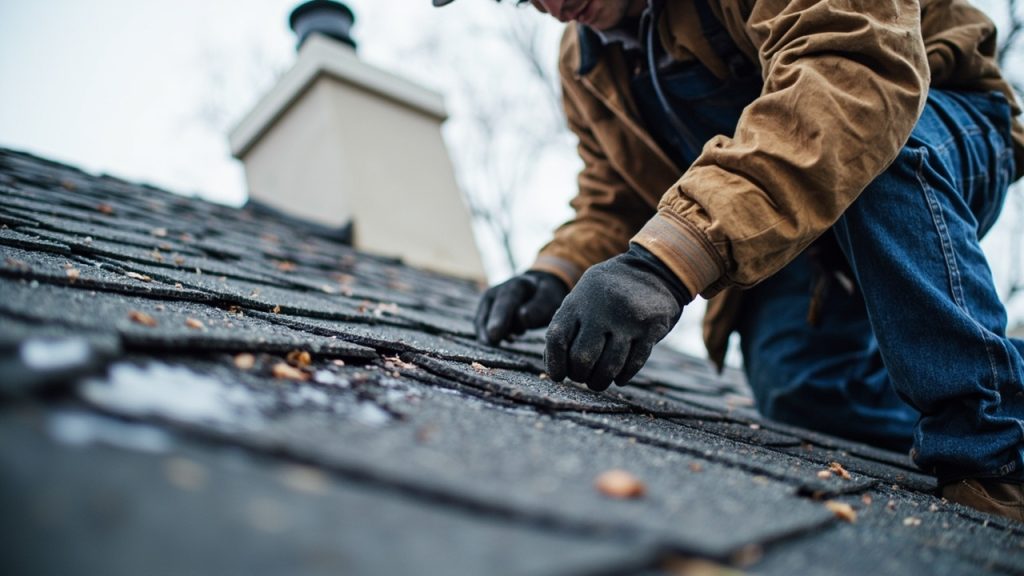
Why the Cleveland Freeze-Thaw Cycle Is a Silent Killer for Willowick Roofs
The freeze-thaw cycle in Cleveland isn’t just a weather pattern. It’s a relentless force that slowly destroys roofs in Willowick and across Northeast Ohio. Every winter, water seeps into microscopic cracks in your shingles, flashing, and chimney mortar. When temperatures plummet below freezing overnight, that water expands by 9 percent. This expansion pushes roofing materials apart. When temperatures rise above freezing during the day, the ice melts and contracts. This constant expansion and contraction creates a destructive cycle that weakens your roof’s integrity over time.
Willowick homeowners face a unique challenge. The city sits along Lake Erie’s shoreline where temperature swings are more extreme than inland areas. One day you might see 40 degrees Fahrenheit. The next morning, temperatures can drop to 10 degrees. This rapid cycling happens dozens of times each winter. Each cycle adds microscopic damage that accumulates until you notice water stains on your ceiling or missing shingles in your yard.
How the Freeze-Thaw Cycle Works
The science behind freeze-thaw damage is straightforward. Water is the only substance on Earth that expands when it freezes. When liquid water gets into small gaps in your roofing materials and freezes, it creates tremendous pressure. This pressure can reach up to 2,000 pounds per square inch. For comparison, that’s more pressure than what’s inside a car tire.
During the day, as temperatures rise above freezing, the ice melts and contracts. This creates tiny gaps where more water can enter. The next cold snap repeats the process. Over weeks and months, this cycle causes shingles to curl, flashing to separate, and mortar to crumble. What starts as microscopic damage becomes visible deterioration that compromises your roof’s ability to protect your home. EPA information on temperature effects.
Willowick’s proximity to Lake Erie makes this problem worse. The lake effect creates more moisture in the air. This means more water available to seep into roofing materials. The heavy snow loads common in this area also contribute to the problem. As snow melts during warm spells and refreezes at night, it creates ice that expands in ways that damage your roof from the outside in.
5 Warning Signs of Freeze-Thaw Damage
Recognizing freeze-thaw damage early can save you thousands in repairs. Here are the five most common warning signs that your Willowick roof has suffered from Cleveland’s harsh winter cycles.
- Granule Loss in Gutters – Asphalt shingles are coated with protective granules. When the freeze-thaw cycle causes shingles to expand and contract, these granules loosen and wash into your gutters. If you notice large amounts of black or colored sand in your downspouts, your shingles are deteriorating.
- Curling or Buckling Shingles – As moisture gets into shingle layers and freezes, it causes the materials to warp. You might see shingles that appear to be curling at the edges or buckling in the middle. This distortion means the shingle’s protective layers are separating.
- Cracked or Separated Flashing – The metal strips around chimneys, vents, and roof valleys are particularly vulnerable. When water freezes in the gaps between flashing and your roof, it pushes the metal apart. You might see visible gaps or cracks in these critical waterproof barriers.
- Interior Ceiling Stains – By the time you see water stains on your ceiling, freeze-thaw damage has already compromised your roof’s integrity. These stains often appear near exterior walls or around chimneys where temperature fluctuations are most extreme.
- Recurring Ice Dams – While ice dams are a separate issue, they’re often a symptom of poor attic insulation that allows freeze-thaw cycles to occur inside your roof structure. If you battle ice dams every winter, your roof is experiencing internal freeze-thaw damage.
Why Willowick Gets Hit Harder Than Other Areas
Willowick’s location along Lake Erie’s southern shore creates a perfect storm for freeze-thaw damage. The lake effect snow means heavier snow accumulation than areas just a few miles inland. This extra weight puts more stress on your roof structure. When this snow melts during warm spells and refreezes at night, it creates ice that expands and contracts against your roofing materials.
The temperature volatility in Willowick is also more extreme than in other Cleveland suburbs. While areas like Strongsville or North Olmsted might see gradual temperature changes, Willowick experiences rapid swings. These quick transitions from above to below freezing temperatures accelerate the freeze-thaw cycle’s destructive effects.
Many homes in Willowick were built in the 1960s and 1970s when building codes were different. These older roofs often lack modern ice and water shield protection that’s now required in Cuyahoga County. Without this protective barrier, water can more easily penetrate your roof deck during freeze-thaw cycles.
The Cost of Ignoring Freeze-Thaw Damage
Many Willowick homeowners make the mistake of thinking minor freeze-thaw damage is just cosmetic. They see a few curling shingles and assume their roof is still functional. This thinking can cost you thousands in the long run.
When freeze-thaw damage goes unaddressed, it creates a cascade of problems. First, water continues to penetrate deeper into your roofing system. This moisture can rot your roof deck, turning solid plywood into crumbling material. Next, the moisture often travels into your attic where it causes mold growth and damages insulation. This reduces your home’s energy efficiency and creates potential health hazards.
The most expensive consequence comes when freeze-thaw damage leads to structural problems. Water that freezes in your chimney mortar can cause spalling. This is when the face of the brick breaks off, compromising your chimney’s structural integrity. Similarly, ice that forms in your roof valleys can cause them to sag, leading to expensive repairs that go far beyond simple shingle replacement.
Prevention Strategies That Actually Work
Preventing freeze-thaw damage requires a comprehensive approach. You can’t stop the weather, but you can minimize its impact on your roof. The most effective strategy combines proper attic insulation, adequate ventilation, and modern roofing materials designed to withstand temperature extremes.
Attic insulation plays a crucial role in preventing freeze-thaw damage. When your attic is properly insulated to R-49 to R-60 standards (the current recommendation for Northeast Ohio), it keeps your roof deck closer to the outdoor temperature. This prevents the freeze-thaw cycle from starting inside your home. Without proper insulation, warm air from your living space rises and melts snow on your roof. When temperatures drop at night, this melted snow refreezes, creating ice that damages your shingles.
Ventilation works hand in hand with insulation. Soffit vents draw cool air into your attic while ridge vents or gable vents allow warm air to escape. This airflow keeps your attic temperature consistent with the outside air. When your attic stays cold, snow on your roof stays frozen. This prevents the melting and refreezing cycle that causes most freeze-thaw damage.
Modern roofing materials offer additional protection. Architectural shingles are designed to flex more than traditional three-tab shingles. This flexibility helps them withstand the expansion and contraction of freeze-thaw cycles. Ice and water shield underlayment provides a waterproof barrier that prevents water from reaching your roof deck even if your shingles fail.
Spring Inspection Checklist for Willowick Homeowners
After Cleveland’s harsh winters, every Willowick homeowner should perform a thorough roof inspection in early spring. This inspection can catch freeze-thaw damage before it leads to leaks or more expensive problems.
Start by examining your gutters and downspouts. Look for granule accumulation that indicates shingle deterioration. Check for sagging sections that might indicate ice damage to the gutter brackets. Next, walk around your home and look at your roof from ground level. Pay special attention to areas around chimneys, vents, and in roof valleys where freeze-thaw damage is most common.
If you’re comfortable on ladders, you can inspect your roof more closely. Look for missing or damaged shingles, especially near roof edges where ice damage is common. Check flashing around chimneys and vents for separation or cracking. Examine your chimney mortar for signs of spalling or cracking that indicates freeze-thaw damage.
Inside your home, check your attic for signs of moisture. Look for water stains on the underside of your roof deck, damp insulation, or mold growth. These signs indicate that freeze-thaw damage has already compromised your roof’s waterproofing.
For a comprehensive inspection, consider hiring a local roofing professional who understands Cleveland’s unique weather challenges. They can identify subtle signs of freeze-thaw damage that homeowners often miss.
Repair vs. Replacement: Making the Right Choice
When freeze-thaw damage is discovered, homeowners face a critical decision: repair the damaged areas or replace the entire roof. This decision depends on several factors specific to your situation in Willowick.
Age is the most important factor. If your roof is less than 10 years old and the damage is localized, repairs often make sense. A professional can replace damaged shingles, repair flashing, and address any underlying issues. However, if your roof is approaching 20 years old, replacement might be more cost-effective in the long run.
The extent of damage also matters. If you have widespread granule loss, multiple areas of curling shingles, or damage to critical areas like roof valleys, repairs might only provide a temporary fix. In these cases, replacement ensures your home is protected for the next 20-30 years.
Building codes have changed significantly in recent years. If your roof is more than 15 years old, it likely doesn’t meet current ice and water shield requirements. During a full replacement, contractors must install this protective barrier. This upgrade provides better protection against future freeze-thaw damage.
Consider your long-term plans for your home. If you plan to stay in your Willowick home for many years, investing in a full replacement might make more sense. If you’re planning to sell soon, targeted repairs might be sufficient to address immediate concerns.
Local Building Codes and Requirements
Cuyahoga County has specific requirements for roofing that directly address freeze-thaw concerns. Understanding these requirements helps you make informed decisions about repairs or replacement.
The county requires ice and water shield underlayment in all roof valleys and extending at least 24 inches inside the exterior wall line. This shield provides crucial protection against ice dam formation and water infiltration during freeze-thaw cycles. Many older roofs in Willowick were installed before this requirement existed.
Ventilation requirements have also become more stringent. Current codes require balanced intake and exhaust ventilation to prevent moisture buildup in your attic. This balance is critical for preventing the internal freeze-thaw cycles that can damage your roof from the inside out.
Permit requirements vary by municipality within Cuyahoga County. Willowick has specific requirements for roofing projects that exceed certain square footage or involve structural changes. Always check with the city building department before starting major roof work.
Working with a contractor familiar with local codes ensures your roof meets all current requirements. This not only protects your home but also ensures you won’t face issues when selling your home in the future.
Choosing the Right Contractor in Willowick
Not all roofing contractors understand the unique challenges that Cleveland’s freeze-thaw cycles create. When selecting a contractor in Willowick, look for specific qualifications and experience.
Local experience is crucial. A contractor who has worked in Willowick for years understands how Lake Erie’s proximity affects roofing materials and installation techniques. They know which products perform best in our specific climate and can recommend solutions tailored to your home’s needs.
Ask potential contractors about their experience with freeze-thaw damage specifically. What products do they recommend for our climate? How do they address ice and water shield installation? What ventilation strategies do they employ? Their answers should demonstrate deep knowledge of local weather patterns and building science.
Check references carefully. Ask previous customers about their experiences with freeze-thaw issues after the contractor completed their work. Did they experience ice dam formation? Were there any leaks during the first winter after installation? These questions reveal whether the contractor truly understands local weather challenges.
Verify licensing and insurance. Cuyahoga County requires specific licensing for roofing contractors. Ensure your contractor carries both liability insurance and workers’ compensation coverage. This protects you from liability if accidents occur during your roofing project.
Long-Term Protection Strategies
Once you’ve addressed immediate freeze-thaw damage, implementing long-term protection strategies can extend your roof’s life and prevent future problems. These strategies go beyond basic maintenance to provide comprehensive protection against Cleveland’s harsh weather.
Regular professional inspections are your first line of defense. Schedule inspections twice yearly – once in spring after winter damage and again in fall before winter weather arrives. These inspections catch minor issues before they become major problems. A professional can identify early signs of freeze-thaw damage that homeowners often miss.
Maintain your attic’s insulation and ventilation. These systems work together to prevent the freeze-thaw cycle from starting inside your home. Check your insulation levels annually and add more if needed. Ensure your attic vents remain clear of insulation and debris. Consider having a professional evaluate your ventilation system’s effectiveness.
Address minor repairs promptly. When you notice curling shingles, separated flashing, or other signs of damage, don’t wait for the next problem to appear. Small repairs prevent water infiltration that leads to more extensive freeze-thaw damage. This proactive approach saves money and extends your roof’s life.
Consider preventive treatments for your roof. Some products can be applied to existing shingles to improve their flexibility and resistance to temperature extremes. While these treatments don’t eliminate freeze-thaw damage, they can slow its progression and extend your roof’s useful life.
Understanding Your Insurance Coverage
Many Willowick homeowners are surprised to learn that standard homeowners insurance policies don’t always cover freeze-thaw damage. Understanding your coverage helps you make informed decisions about repairs and prevention.
Insurance typically covers sudden, accidental damage but not gradual deterioration. If freeze-thaw damage leads to a sudden roof failure or leak, you might have coverage. However, if the damage develops slowly over years, insurance companies often consider it a maintenance issue that isn’t covered.
Some policies offer specific coverage for ice damage or winter weather events. Review your policy carefully or consult with your insurance agent. Ask specifically about coverage for freeze-thaw damage, ice dams, and winter-related roof problems.
Documentation is crucial if you need to file a claim. Keep records of all roof inspections, maintenance, and repairs. Take photos of your roof’s condition before and after winter. This documentation can help establish that damage was sudden rather than gradual deterioration.
Consider adding riders or endorsements to your policy for enhanced roof coverage. These additions might increase your premium slightly but can provide valuable protection against freeze-thaw damage and other weather-related issues specific to Northeast Ohio.
The Cost of Inaction
Ignoring freeze-thaw damage might seem like saving money in the short term, but it often leads to much higher costs later. Understanding these potential costs helps you make informed decisions about your roof’s care.
Minor freeze-thaw damage that goes unaddressed typically costs $200-500 to repair early. If left untreated, this same damage can lead to $2,000-5,000 in repairs within two to three years. The water infiltration that starts with minor damage can destroy insulation, damage ceiling materials, and create conditions for mold growth.
The most expensive scenario occurs when freeze-thaw damage compromises your roof’s structural integrity. Water that freezes in your roof deck can cause the plywood to delaminate and weaken. This structural damage often requires complete roof replacement, which costs $8,000-15,000 for an average Willowick home.
Beyond direct repair costs, freeze-thaw damage can increase your energy bills. When water damages your attic insulation, your heating and cooling systems work harder to maintain comfortable temperatures. This inefficiency can add $50-100 to your monthly utility bills.
Health costs are another consideration. Moisture from roof leaks creates ideal conditions for mold growth. Mold remediation can cost $500-6,000 depending on the extent of growth. More importantly, mold exposure can cause respiratory problems and other health issues for your family.
Taking Action Today
Freeze-thaw damage doesn’t wait for convenient timing. The damage it causes accumulates silently until you’re facing expensive repairs or emergency leaks. Taking action today can prevent these problems and protect your home investment.
Start with a professional inspection if you haven’t had your roof evaluated recently. A qualified local contractor can identify freeze-thaw damage and recommend appropriate solutions. They can also provide guidance on preventive measures specific to your home’s construction and your neighborhood’s particular challenges.
If your roof is older or shows signs of damage, don’t delay repairs. The freeze-thaw cycle accelerates damage once it starts. What might be a simple repair today could become a major project if you wait until next winter.
Consider your long-term plans for your home. If you’re planning to stay in your Willowick home for many years, investing in quality roofing materials and proper installation pays dividends through lower maintenance costs and better protection against Cleveland’s harsh weather.
Your roof is your home’s first line of defense against the elements. In Willowick, where Cleveland’s freeze-thaw cycles create unique challenges, proper roof care isn’t optional – it’s essential for protecting your home and family.
Frequently Asked Questions
How long does the freeze-thaw cycle typically last in Cleveland?
The freeze-thaw cycle in Cleveland typically occurs from November through March, with the most severe cycles happening in January and February. During these months, temperatures frequently swing above and below freezing, creating dozens of freeze-thaw cycles that can damage your roof.
Can I prevent ice dams without replacing my entire roof?
Yes, you can often prevent ice dams through improved attic insulation and ventilation without full roof replacement. Adding insulation to R-49 to R-60 levels and ensuring proper ventilation can significantly reduce ice dam formation. However, if your roof is old or already damaged, these improvements might be temporary solutions.
How much does it cost to repair freeze-thaw damage versus replacing a roof?
Minor freeze-thaw repairs typically cost $300-1,000 depending on the extent of damage. A full roof replacement for an average Willowick home costs $8,000-15,000. If your roof is over 15 years old or has widespread damage, replacement might be more cost-effective long-term than repeated repairs.
Should I have my roof inspected every year?
Yes, annual inspections are recommended for Willowick homes. Schedule inspections in spring to check for winter damage and again in fall to prepare for winter weather. Professional inspections can identify freeze-thaw damage early when repairs are less expensive and more effective.
What roofing materials work best in Cleveland’s freeze-thaw climate?
Architectural asphalt shingles rated for high wind and temperature extremes perform well in Cleveland. For maximum protection, consider impact-resistant shingles with enhanced flexibility. Metal roofing also handles freeze-thaw cycles effectively, though it costs more initially. The key is choosing materials specifically rated for severe weather conditions.
How do I know if my freeze-thaw damage is covered by insurance?
Insurance coverage for freeze-thaw damage varies by policy. Most policies cover sudden damage but not gradual deterioration. Review your policy or consult your insurance agent about specific coverage for ice damage, winter weather events, and freeze-thaw related issues. Document all damage with photos and keep records of inspections and repairs.
- Schedule Professional Inspection
Have a local roofing contractor inspect your roof for freeze-thaw damage, focusing on flashing, valleys, and areas around chimneys where damage is most common.
- Improve Attic Insulation
Add insulation to achieve R-49 to R-60 levels to prevent internal freeze-thaw cycles and reduce ice dam formation on your roof.
- Ensure Proper Ventilation
Install or repair soffit and ridge vents to create balanced airflow that keeps your attic temperature consistent with outdoor conditions.
- Repair Damaged Areas Promptly
Replace curling shingles, repair separated flashing, and address any visible damage before the next freeze-thaw cycle causes further deterioration.
- Consider Ice and Water Shield
If replacing your roof, ensure ice and water shield is installed extending 24 inches inside exterior walls and in all roof valleys for maximum protection.
{
“@context”: “https://schema.org”,
“@type”: “BlogPosting”,
“headline”: “Why the Cleveland Freeze-Thaw Cycle Is a Silent Killer for Willowick Roofs”,
“description”: “Learn how Cleveland’s freeze-thaw cycles damage Willowick roofs. Discover warning signs, prevention tips, and why local weather makes this a unique threat.”,
“wordCount”: 3281,
“datePublished”: “2026-05-12T15:00:00.000Z”,
“dateModified”: “2026-05-12T15:00:00.000Z”,
“inLanguage”: “en-US”,
“mainEntityOfPage”: {
“@type”: “WebPage”,
“@id”: “https://alpharoofingcleveland.com”
},
“publisher”: {
“@type”: “LocalBusiness”,
“name”: “Alpha Roofing Cleveland”,
“url”: “https://alpharoofingcleveland.com”
},
“author”: {
“@type”: “Organization”,
“name”: “Alpha Roofing Cleveland”,
“url”: “https://alpharoofingcleveland.com”
},
“image”: {
“@type”: “ImageObject”,
“url”: “https://alpharoofingcleveland.com/wp-content/uploads/2026/03/why-the-cleveland-freeze-thaw-cycle-is-a-silent-ki-1.jpg”
}
}
{
“@context”: “https://schema.org”,
“@type”: “RoofingContractor”,
“name”: “Alpha Roofing Cleveland”,
“url”: “https://alpharoofingcleveland.com”,
“address”: {
“@type”: “PostalAddress”,
“addressLocality”: “Cleveland”
},
“areaServed”: {
“@type”: “City”,
“name”: “Cleveland”
}
}
{
“@context”: “https://schema.org”,
“@type”: “FAQPage”,
“mainEntity”: [
{
“@type”: “Question”,
“name”: “How long does the freeze-thaw cycle typically last in Cleveland?”,
“acceptedAnswer”: {
“@type”: “Answer”,
“text”: “The freeze-thaw cycle in Cleveland typically occurs from November through March, with the most severe cycles happening in January and February. During these months, temperatures frequently swing above and below freezing, creating dozens of freeze-thaw cycles that can damage your roof.”
}
},
{
“@type”: “Question”,
“name”: “Can I prevent ice dams without replacing my entire roof?”,
“acceptedAnswer”: {
“@type”: “Answer”,
“text”: “Yes, you can often prevent ice dams through improved attic insulation and ventilation without full roof replacement. Adding insulation to R-49 to R-60 levels and ensuring proper ventilation can significantly reduce ice dam formation. However, if your roof is old or already damaged, these improvements might be temporary solutions.”
}
},
{
“@type”: “Question”,
“name”: “How much does it cost to repair freeze-thaw damage versus replacing a roof?”,
“acceptedAnswer”: {
“@type”: “Answer”,
“text”: “Minor freeze-thaw repairs typically cost $300-1,000 depending on the extent of damage. A full roof replacement for an average Willowick home costs $8,000-15,000. If your roof is over 15 years old or has widespread damage, replacement might be more cost-effective long-term than repeated repairs.”
}
},
{
“@type”: “Question”,
“name”: “Should I have my roof inspected every year?”,
“acceptedAnswer”: {
“@type”: “Answer”,
“text”: “Yes, annual inspections are recommended for Willowick homes. Schedule inspections in spring to check for winter damage and again in fall to prepare for winter weather. Professional inspections can identify freeze-thaw damage early when repairs are less expensive and more effective.”
}
},
{
“@type”: “Question”,
“name”: “What roofing materials work best in Cleveland’s freeze-thaw climate?”,
“acceptedAnswer”: {
“@type”: “Answer”,
“text”: “Architectural asphalt shingles rated for high wind and temperature extremes perform well in Cleveland. For maximum protection, consider impact-resistant shingles with enhanced flexibility. Metal roofing also handles freeze-thaw cycles effectively, though it costs more initially. The key is choosing materials specifically rated for severe weather conditions.”
}
},
{
“@type”: “Question”,
“name”: “How do I know if my freeze-thaw damage is covered by insurance?”,
“acceptedAnswer”: {
“@type”: “Answer”,
“text”: “Insurance coverage for freeze-thaw damage varies by policy. Most policies cover sudden damage but not gradual deterioration. Review your policy or consult your insurance agent about specific coverage for ice damage, winter weather events, and freeze-thaw related issues. Document all damage with photos and keep records of inspections and repairs.”
}
}
]
}
{
“@context”: “https://schema.org”,
“@type”: “HowTo”,
“name”: “How to Protect Your Roof from Freeze-Thaw Damage”,
“step”: [
{
“@type”: “HowToStep”,
“position”: 1,
“name”: “Schedule Professional Inspection”,
“text”: “Have a local roofing contractor inspect your roof for freeze-thaw damage, focusing on flashing, valleys, and areas around chimneys where damage is most common.”
},
{
“@type”: “HowToStep”,
“position”: 2,
“name”: “Improve Attic Insulation”,
“text”: “Add insulation to achieve R-49 to R-60 levels to prevent internal freeze-thaw cycles and reduce ice dam formation on your roof.”
},
{
“@type”: “HowToStep”,
“position”: 3,
“name”: “Ensure Proper Ventilation”,
“text”: “Install or repair soffit and ridge vents to create balanced airflow that keeps your attic temperature consistent with outdoor conditions.”
},
{
“@type”: “HowToStep”,
“position”: 4,
“name”: “Repair Damaged Areas Promptly”,
“text”: “Replace curling shingles, repair separated flashing, and address any visible damage before the next freeze-thaw cycle causes further deterioration.”
},
{
“@type”: “HowToStep”,
“position”: 5,
“name”: “Consider Ice and Water Shield”,
“text”: “If replacing your roof, ensure ice and water shield is installed extending 24 inches inside exterior walls and in all roof valleys for maximum protection.”
}
],
“image”: “https://alpharoofingcleveland.com/wp-content/uploads/2026/03/why-the-cleveland-freeze-thaw-cycle-is-a-silent-ki-1.jpg”
}
{
“@context”: “https://schema.org”,
“@type”: “BreadcrumbList”,
“itemListElement”: [
{
“@type”: “ListItem”,
“position”: 1,
“name”: “Home”,
“item”: “https://alpharoofingcleveland.com”
},
{
“@type”: “ListItem”,
“position”: 2,
“name”: “Blog”,
“item”: “https://alpharoofingcleveland.com/blog”
},
{
“@type”: “ListItem”,
“position”: 3,
“name”: “Why the Cleveland Freeze-Thaw Cycle Is a Silent Killer for Willowick Roofs”
}
]
}
{
“@context”: “https://schema.org”,
“@type”: “Service”,
“serviceType”: “Roofing”,
“provider”: {
“@type”: “LocalBusiness”,
“name”: “Alpha Roofing Cleveland”,
“url”: “https://alpharoofingcleveland.com”
},
“areaServed”: {
“@type”: “City”,
“name”: “Cleveland”
},
“description”: “Learn how Cleveland’s freeze-thaw cycles damage Willowick roofs. Discover warning signs, prevention tips, and why local weather makes this a unique threat.”
}
For more information, visit FEMA winter weather protection guide.