
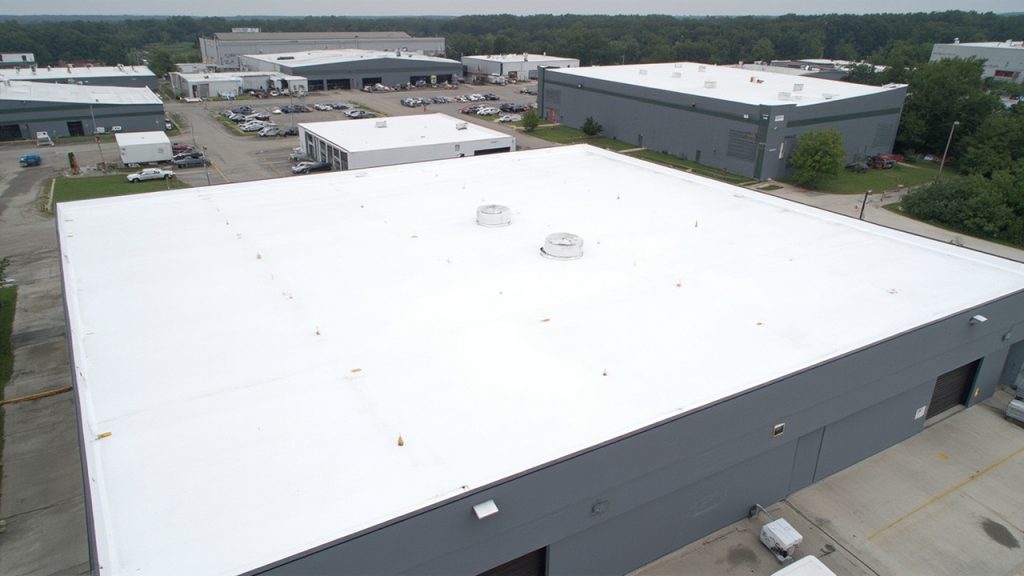
Your Mentor industrial building faces harsh conditions every year. Lake Erie drives lake-effect snow across Tyler Boulevard and the Diamond Centre commercial district. Your flat roof membrane takes a beating from freeze-thaw cycles, high winds, and UV exposure. If your current roof is past its prime, a TPO membrane update protects your investment and your operations.
Alpha Roofing Cleveland has completed TPO installations across the greater Cleveland metro area for over fifteen years. We serve facilities in Mentor, Willoughby, Eastlake, and throughout Lake County. This guide gives you the technical information you need to make a smart decision about your next commercial roof system.
Why TPO Works for Mentor Industrial Buildings
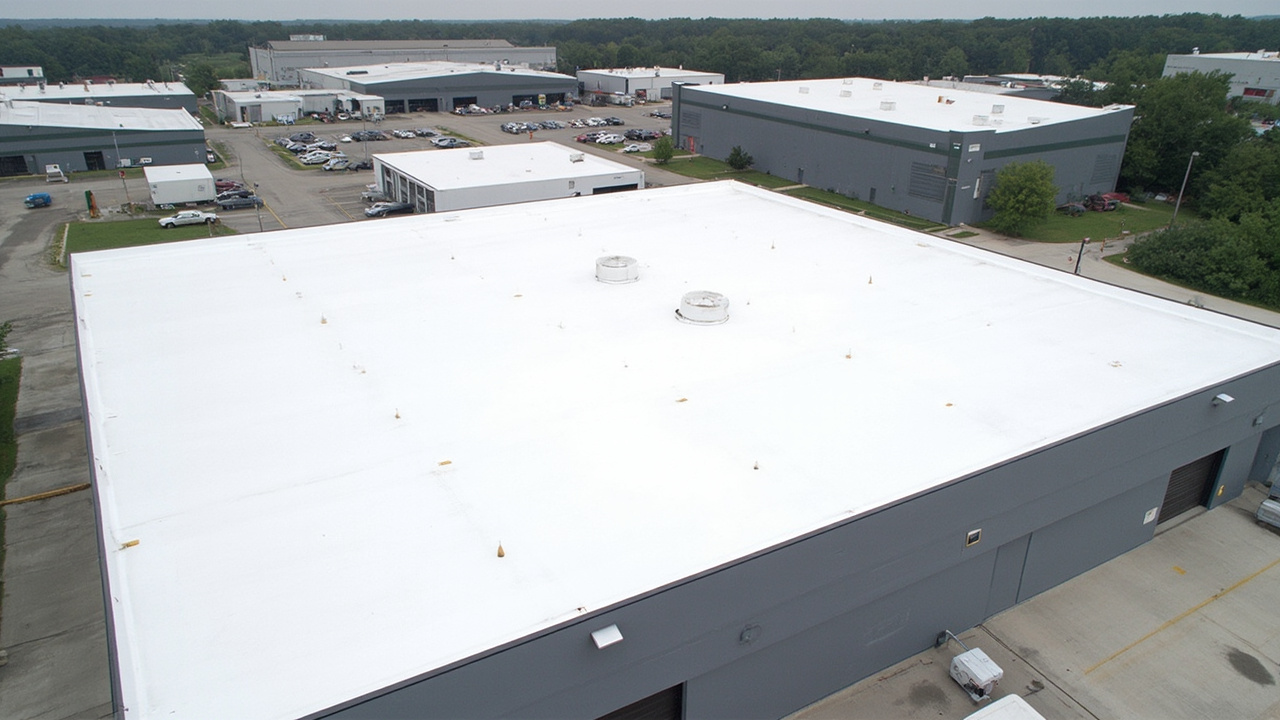
Mentor sits in a tough climate zone for commercial roofing. Lake-effect storms dump heavy snow loads on flat roofs each winter. Spring brings rapid temperature swings that stress membrane seams. Summer humidity and UV radiation break down older roofing materials. Your roof system needs to handle all four seasons without constant repairs.
Thermoplastic Polyolefin delivers the performance Northeast Ohio demands. The membrane resists punctures from wind-blown debris. White TPO reflects solar heat and lowers cooling costs during humid Ohio summers. Heat-welded seams create bonds stronger than the membrane itself. The material remains flexible during cold snaps, which prevents cracking when temperatures drop well below freezing.
Industrial buildings along Tyler Boulevard and throughout Mentor’s manufacturing corridor benefit from TPO’s durability. Warehouses, distribution centers, and production facilities need a roofing system that does not interrupt operations. A properly installed TPO membrane gives you decades of reliable protection with minimal maintenance.
TPO Membrane Thickness Options for Ohio Climates
Selecting the right membrane thickness matters for your building. Thicker membranes resist punctures and foot traffic damage. Thin membranes cost less upfront but may not survive Ohio’s demanding weather cycles. Here are the standard TPO thickness options and how each performs in our region.
| Membrane Thickness | Application | Performance in Ohio |
|---|---|---|
| 45 mil TPO Solar Reflectance Index 107 Entry level cost |
Light commercial Low-traffic roofs Budget projects |
Acceptable for sheltered sites Vulnerable to hail damage Shorter service life in harsh winters |
| 60 mil TPO Solar Reflectance Index 107 Mid-range cost |
Standard commercial Most warehouse roofs Multi-tenant buildings |
Strong performance in Lake County Handles routine foot traffic Good balance of cost and durability |
| 80 mil TPO Solar Reflectance Index 107 Premium cost |
Heavy industrial High-traffic roofs Facilities with rooftop equipment |
Maximum puncture resistance Best choice for lake-effect snow loads Longest expected service life |
We recommend 60 mil or 80 mil TPO for most Mentor industrial buildings. The investment pays off through fewer repairs and a longer membrane life. Buildings near Lake Erie that experience stronger wind gusts benefit from the extra thickness of 80 mil material.
The Heat-Welded Seam Installation Process
TPO installation differs from older roofing methods. Our crews use hot-air welding equipment to fuse membrane seams together. The process creates a permanent molecular bond at each seam joint. This bond resists water infiltration better than adhesives or tape systems used on other flat roof materials.
- Deck Preparation
We inspect the roof deck for moisture damage, rot, and structural issues. Crews remove old roofing material down to the deck surface. We repair any damaged decking before proceeding.
- Insulation and Cover Board
We install polyiso insulation to meet Ohio R-value requirements. A cover board goes over the insulation to create a smooth, durable surface for the membrane.
- Membrane Layout and Positioning
Crews roll out TPO sheets across the roof surface. Each sheet overlaps the adjacent sheet by the manufacturer’s specified seam width. We allow the membrane to relax before welding.
- Hot-Air Seam Welding
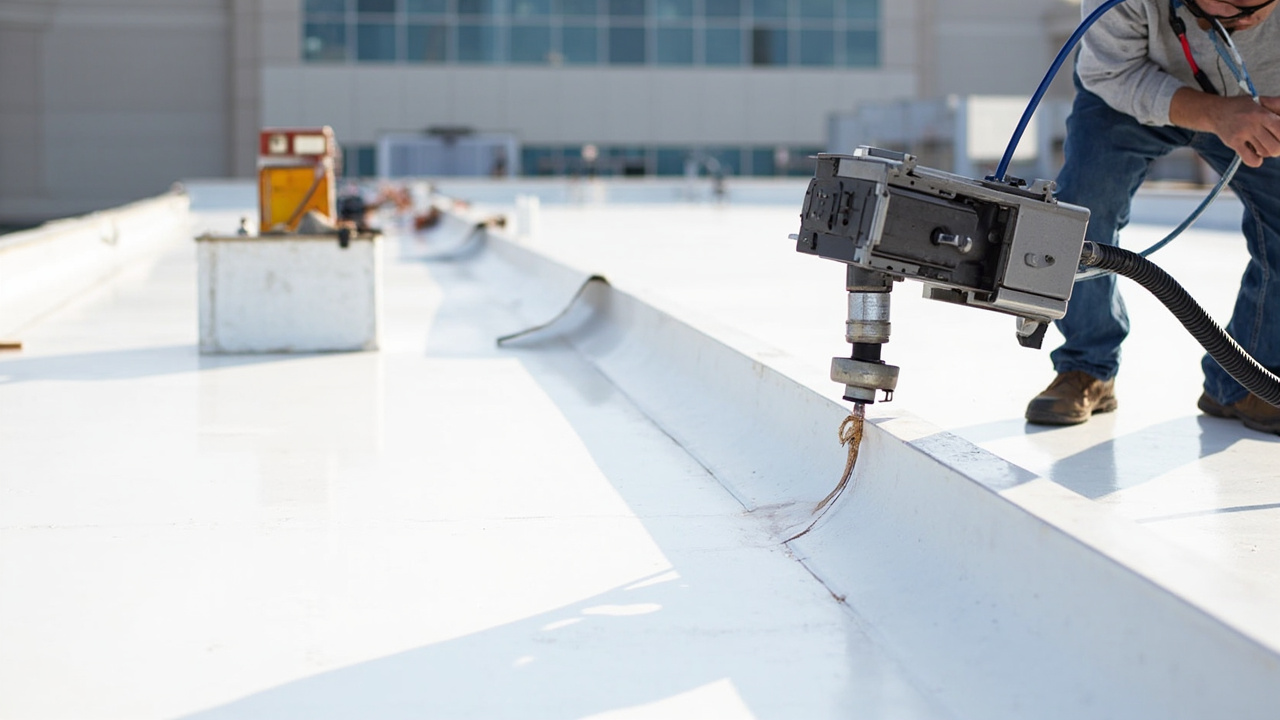
Automated welding machines run along each seam at controlled speed and temperature. The machine heats both membrane surfaces to the correct fusion point. The resulting bond is stronger than the membrane field.
- Detail Work and Flashing
Crews hand-weld membrane around penetrations, curbs, drains, and edge details. We install metal coping and termination bars at roof edges. Every penetration gets reinforced with TPO patches.
- Quality Inspection and Testing
We probe every seam for adhesion quality. Electronic leak detection identifies any pinholes or defects. The completed roof passes a final walkthrough before we issue warranty documentation.
Energy Efficiency and Tax Benefits for Mentor Businesses
White TPO membranes earn high Solar Reflectance Index ratings. These ratings measure how well a roof reflects sunlight and releases absorbed heat. The EPA Energy Star program recognizes qualifying TPO products for their energy performance. Buildings with Energy Star rated roofs reduce cooling costs during Ohio’s humid summers.
Commercial property owners in Mentor can take advantage of federal energy tax incentives for qualifying roof installations. The current tax code allows deductions for energy efficient commercial building improvements. Your accountant can help you determine eligibility for these benefits based on your specific installation.
Lower cooling costs add up quickly for large industrial facilities. A warehouse with 50,000 square feet of roof area sees measurable utility savings with a reflective TPO membrane. The energy savings help offset the installation cost over the life of the roof.
Mentor and Lake County Building Codes for Flat Roofs
Commercial roof replacements in Mentor require proper permits from the city building department. Lake County follows Ohio building codes with local amendments for wind uplift and fire ratings. Your contractor must submit manufacturer specifications and engineering documents as part of the permit application.
Mentor’s location near Lake Erie means your roof must meet specific wind uplift requirements. The building code references ASCE 7 standards for wind load calculations. TPO membranes with mechanically attached or fully adhered systems typically meet these requirements when installed to manufacturer specifications.
Snow load calculations matter for flat roof design in Lake County. The ground snow load for this region exceeds the minimum Ohio code requirements. Your roof system must support the expected snow accumulation plus any drifting caused by adjacent taller structures. We verify structural capacity before recommending a TPO system for your building.
The Ohio Department of Commerce Building Standards Division provides current code information for commercial construction. We stay current with all code updates and permit requirements. Our team handles the permit process so you can focus on running your business.
Choosing TPO Roofing Contractors in Mentor OH
Selecting the right contractor determines the success of your TPO installation. Not every roofing company has the training and equipment for commercial single-ply membranes. Here is what to look for when hiring for your Mentor facility.
- Manufacturer Certifications
Look for contractors certified by TPO manufacturers like GAF, Firestone, or Carlisle. Certified installers offer the strongest manufacturer warranties. Their crews receive ongoing training on proper installation techniques.
- Commercial Project Experience
Ask for references from industrial buildings similar to yours. A contractor who mostly installs residential shingles may lack the skills for large commercial TPO jobs. Request photos and addresses of completed Mentor-area projects.
- Proper Licensing and Insurance
Verify the contractor holds Ohio commercial roofing licenses. Confirm general liability insurance and workers compensation coverage. Ask for certificate copies before work begins.
- Local Service Presence
Choose a contractor with a physical presence in the greater Cleveland area. Local companies respond faster to warranty calls and emergency repairs. They understand Lake County building codes and permit requirements.
- Written Warranty Terms
Get warranty details in writing before signing a contract. Understand what the manufacturer covers and what the contractor covers. Know the maintenance requirements to keep your warranty valid.
TPO vs EPDM vs PVC for Ohio Winters
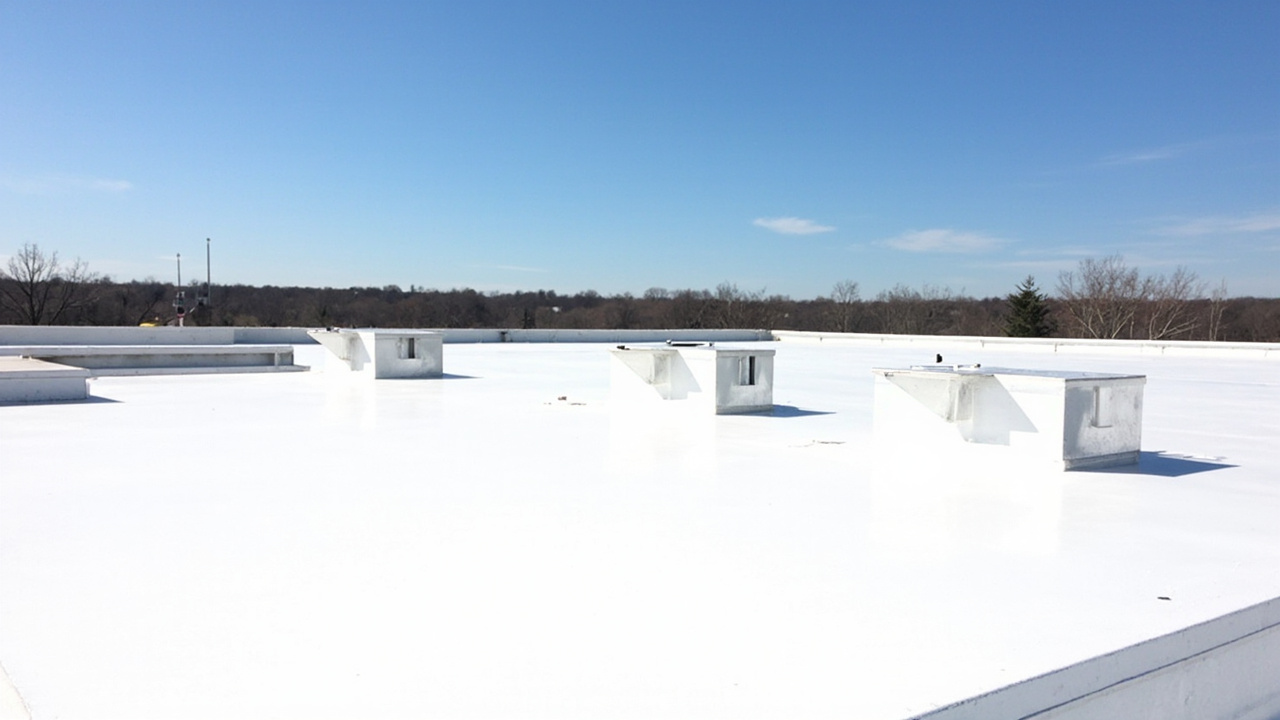
Three single-ply membrane types dominate the commercial flat roof market. Each has strengths and weaknesses for Northeast Ohio conditions. The comparison below helps you evaluate which system fits your Mentor building.
| Feature | TPO Membrane | EPDM Rubber | PVC Membrane |
|---|---|---|---|
| Seam Method Cold Climate Flexibility Chemical Resistance |
Heat welded seams Excellent flexibility in cold Moderate resistance |
Adhesive bonded seams Good cold flexibility Moderate resistance |
Heat welded seams Good flexibility in cold Superior chemical resistance |
| Energy Performance UV Resistance Relative Cost |
High solar reflectance Very good UV stability Most affordable option |
Low reflectance dark surface Excellent UV stability Moderate cost |
High solar reflectance Very good UV stability Highest cost of the three |
| Wind Uplift Rating Fire Rating Puncture Resistance |
Strong uplift resistance Class A fire rating available Good with proper thickness |
Moderate uplift resistance Class A fire rating available Good puncture resistance |
Strong uplift resistance Self-extinguishing properties Good puncture resistance |
| Best Use in Mentor Expected Lifespan Maintenance Level |
Warehouses and distribution 20 to 30 years Low maintenance |
Simple flat roofs 20 to 25 years Low maintenance |
Food processing and labs 20 to 30 years Low maintenance |
TPO offers the best combination of performance and cost for most Mentor industrial buildings. PVC makes sense for facilities with chemical exposure or strict hygiene requirements. EPDM remains a solid choice for budget-conscious projects with simple roof geometries.
TPO Maintenance Schedule for Northeast Ohio Freeze-Thaw Cycles
Regular maintenance extends the life of your TPO membrane. Northeast Ohio’s freeze-thaw cycles stress roof details and seams. A seasonal maintenance plan catches small issues before they become costly leaks.
Schedule a professional roof inspection twice per year. Plan the first inspection in late fall before winter weather arrives. Schedule the second inspection in spring after the snow season ends. Add a third inspection after any severe weather event with high winds or hail.
During each inspection, your contractor should check seam weld integrity around the entire roof. They should clear debris from drains and scuppers to prevent ponding water. All flashing details around HVAC curbs and roof penetrations need examination. Any sealant at termination bars or edge metal should receive attention.
Keep rooftop access clear and limit unnecessary foot traffic. When maintenance crews need roof access, provide walkway pads to protect the membrane. Document all inspections and repairs to maintain your manufacturer warranty.
Emergency TPO Repair Services for Mentor Facilities
Storm damage and equipment failures can create urgent roof leaks. Alpha Roofing Cleveland responds to emergency calls throughout Mentor and Lake County. Our crews carry TPO repair materials on every service vehicle. We can perform temporary repairs to stop active leaks and schedule permanent repairs within days.
If your building experiences a roof leak, shut down equipment near the affected area. Place containers under any water entry points to protect inventory and flooring. Call our office for priority dispatch to your Mentor facility. We serve industrial customers across commercial properties throughout the region.
Frequently Asked Questions
How long does a TPO membrane last on an industrial building in Mentor?
A properly installed TPO membrane with regular maintenance lasts 20 to 30 years in Northeast Ohio. Thickness selection and installation quality affect lifespan significantly. Buildings that follow a twice-yearly inspection schedule typically reach the upper end of that range.
Does TPO hold up well to Ohio winters and heavy snow loads?
TPO performs well in Ohio winters when the roof system is engineered for local snow loads. The membrane stays flexible in cold temperatures and resists cracking. Proper drainage design prevents ponding water that can freeze and stress the system.
Are there tax credits for installing energy efficient TPO roofing in Mentor?
Yes, federal tax deductions exist for qualifying energy efficient commercial building improvements. TPO membranes with high Solar Reflectance Index ratings may qualify. Consult your tax professional for eligibility details based on your property and installation.
What thickness of TPO should I choose for my Mentor warehouse?
We recommend 60 mil TPO as the minimum for most Mentor commercial buildings. Facilities with heavy rooftop equipment or high foot traffic benefit from 80 mil material. Buildings exposed to direct lake winds also warrant the thicker membrane option.
Can you repair an existing TPO roof or does it need full replacement?
Many TPO roofs can receive targeted repairs if the membrane remains in overall good condition. Our team evaluates seam integrity, membrane flexibility, and insulation moisture during inspection. We recommend replacement when repairs would exceed 30 percent of the cost of a new system.
Your Mentor industrial building deserves a roof system built for Northeast Ohio conditions. TPO membranes deliver the durability, energy efficiency, and weather resistance your facility needs. Alpha Roofing Cleveland brings manufacturer-certified crews, local code expertise, and fifteen years of commercial roofing experience to every project.
Schedule your free commercial roof inspection today. Call Alpha Roofing Cleveland or request an estimate through our website. We serve Mentor, Willoughby, Eastlake, and the entire Lake County industrial corridor. Protect your building before the next season of lake-effect weather arrives.
{
“@context”: “https://schema.org”,
“@type”: “BlogPosting”,
“headline”: “Why Your Mentor Industrial Building Needs a TPO Membrane Update”,
“description”: “Mentor OH industrial buildings need TPO membrane updates to handle Lake Erie weather. Learn thickness specs, costs, and local code requirements for 2026.”,
“wordCount”: 2057,
“datePublished”: “2026-02-14T15:05:00.000Z”,
“dateModified”: “2026-02-14T15:05:00.000Z”,
“inLanguage”: “en-US”,
“mainEntityOfPage”: {
“@type”: “WebPage”,
“@id”: “https://alpharoofingcleveland.com”
},
“publisher”: {
“@type”: “LocalBusiness”,
“name”: “Alpha Roofing Cleveland”,
“url”: “https://alpharoofingcleveland.com”
},
“author”: {
“@type”: “Organization”,
“name”: “Alpha Roofing Cleveland”,
“url”: “https://alpharoofingcleveland.com”
},
“image”: {
“@type”: “ImageObject”,
“url”: “https://alpharoofingcleveland.com/wp-content/uploads/2026/03/why-your-mentor-industrial-building-needs-a-tpo-me-1.jpg”
}
}
{
“@context”: “https://schema.org”,
“@type”: “RoofingContractor”,
“name”: “Alpha Roofing Cleveland”,
“url”: “https://alpharoofingcleveland.com”,
“address”: {
“@type”: “PostalAddress”,
“addressLocality”: “Cleveland”
},
“areaServed”: {
“@type”: “City”,
“name”: “Cleveland”
}
}
{
“@context”: “https://schema.org”,
“@type”: “FAQPage”,
“mainEntity”: [
{
“@type”: “Question”,
“name”: “How long does a TPO membrane last on an industrial building in Mentor?”,
“acceptedAnswer”: {
“@type”: “Answer”,
“text”: “A properly installed TPO membrane with regular maintenance lasts 20 to 30 years in Northeast Ohio. Thickness selection and installation quality affect lifespan significantly. Buildings that follow a twice-yearly inspection schedule typically reach the upper end of that range.”
}
},
{
“@type”: “Question”,
“name”: “Does TPO hold up well to Ohio winters and heavy snow loads?”,
“acceptedAnswer”: {
“@type”: “Answer”,
“text”: “TPO performs well in Ohio winters when the roof system is engineered for local snow loads. The membrane stays flexible in cold temperatures and resists cracking. Proper drainage design prevents ponding water that can freeze and stress the system.”
}
},
{
“@type”: “Question”,
“name”: “Are there tax credits for installing energy efficient TPO roofing in Mentor?”,
“acceptedAnswer”: {
“@type”: “Answer”,
“text”: “Yes, federal tax deductions exist for qualifying energy efficient commercial building improvements. TPO membranes with high Solar Reflectance Index ratings may qualify. Consult your tax professional for eligibility details based on your property and installation.”
}
},
{
“@type”: “Question”,
“name”: “What thickness of TPO should I choose for my Mentor warehouse?”,
“acceptedAnswer”: {
“@type”: “Answer”,
“text”: “We recommend 60 mil TPO as the minimum for most Mentor commercial buildings. Facilities with heavy rooftop equipment or high foot traffic benefit from 80 mil material. Buildings exposed to direct lake winds also warrant the thicker membrane option.”
}
},
{
“@type”: “Question”,
“name”: “Can you repair an existing TPO roof or does it need full replacement?”,
“acceptedAnswer”: {
“@type”: “Answer”,
“text”: “Many TPO roofs can receive targeted repairs if the membrane remains in overall good condition. Our team evaluates seam integrity, membrane flexibility, and insulation moisture during inspection. We recommend replacement when repairs would exceed 30 percent of the cost of a new system.”
}
}
]
}
{
“@context”: “https://schema.org”,
“@type”: “HowTo”,
“name”: “TPO Membrane Installation Process”,
“step”: [
{
“@type”: “HowToStep”,
“position”: 1,
“name”: “Deck Preparation”,
“text”: “We inspect the roof deck for moisture damage, rot, and structural issues. Crews remove old roofing material down to the deck surface. We repair any damaged decking before proceeding.”
},
{
“@type”: “HowToStep”,
“position”: 2,
“name”: “Insulation and Cover Board”,
“text”: “We install polyiso insulation to meet Ohio R-value requirements. A cover board goes over the insulation to create a smooth, durable surface for the membrane.”
},
{
“@type”: “HowToStep”,
“position”: 3,
“name”: “Membrane Layout and Positioning”,
“text”: “Crews roll out TPO sheets across the roof surface. Each sheet overlaps the adjacent sheet by the manufacturer’s specified seam width. We allow the membrane to relax before welding.”
},
{
“@type”: “HowToStep”,
“position”: 4,
“name”: “Hot-Air Seam Welding”,
“text”: “Automated welding machines run along each seam at controlled speed and temperature. The machine heats both membrane surfaces to the correct fusion point. The resulting bond is stronger than the membrane field.”
},
{
“@type”: “HowToStep”,
“position”: 5,
“name”: “Detail Work and Flashing”,
“text”: “Crews hand-weld membrane around penetrations, curbs, drains, and edge details. We install metal coping and termination bars at roof edges. Every penetration gets reinforced with TPO patches.”
},
{
“@type”: “HowToStep”,
“position”: 6,
“name”: “Quality Inspection and Testing”,
“text”: “We probe every seam for adhesion quality. Electronic leak detection identifies any pinholes or defects. The completed roof passes a final walkthrough before we issue warranty documentation.”
}
],
“image”: “https://alpharoofingcleveland.com/wp-content/uploads/2026/03/why-your-mentor-industrial-building-needs-a-tpo-me-1.jpg”
}
{
“@context”: “https://schema.org”,
“@type”: “BreadcrumbList”,
“itemListElement”: [
{
“@type”: “ListItem”,
“position”: 1,
“name”: “Home”,
“item”: “https://alpharoofingcleveland.com”
},
{
“@type”: “ListItem”,
“position”: 2,
“name”: “Blog”,
“item”: “https://alpharoofingcleveland.com/blog”
},
{
“@type”: “ListItem”,
“position”: 3,
“name”: “Why Your Mentor Industrial Building Needs a TPO Membrane Update”
}
]
}
{
“@context”: “https://schema.org”,
“@type”: “Service”,
“serviceType”: “Roofing”,
“provider”: {
“@type”: “LocalBusiness”,
“name”: “Alpha Roofing Cleveland”,
“url”: “https://alpharoofingcleveland.com”
},
“areaServed”: {
“@type”: “City”,
“name”: “Cleveland”
},
“description”: “Mentor OH industrial buildings need TPO membrane updates to handle Lake Erie weather. Learn thickness specs, costs, and local code requirements for 2026.”
}