menu

Roof Cricket Drainage Issues in Cleveland – Expert Diagnosis and Permanent Repair Solutions

Stop recurring chimney leaks and prevent costly water damage with professional roof cricket inspection and repair that addresses improper cricket pitch, roof saddle drainage failure, and chimney saddle water pooling common in Cleveland homes.

Slider Image 1
Slider Image 2
Slider Image 3
Slider Image 4
Slider Image 5
Slider Image 7
Slider Image 8
Slider Image 9
Slider Image 10
Slider Image 11

Why Cleveland Roofs Are Vulnerable to Cricket Drainage Failure

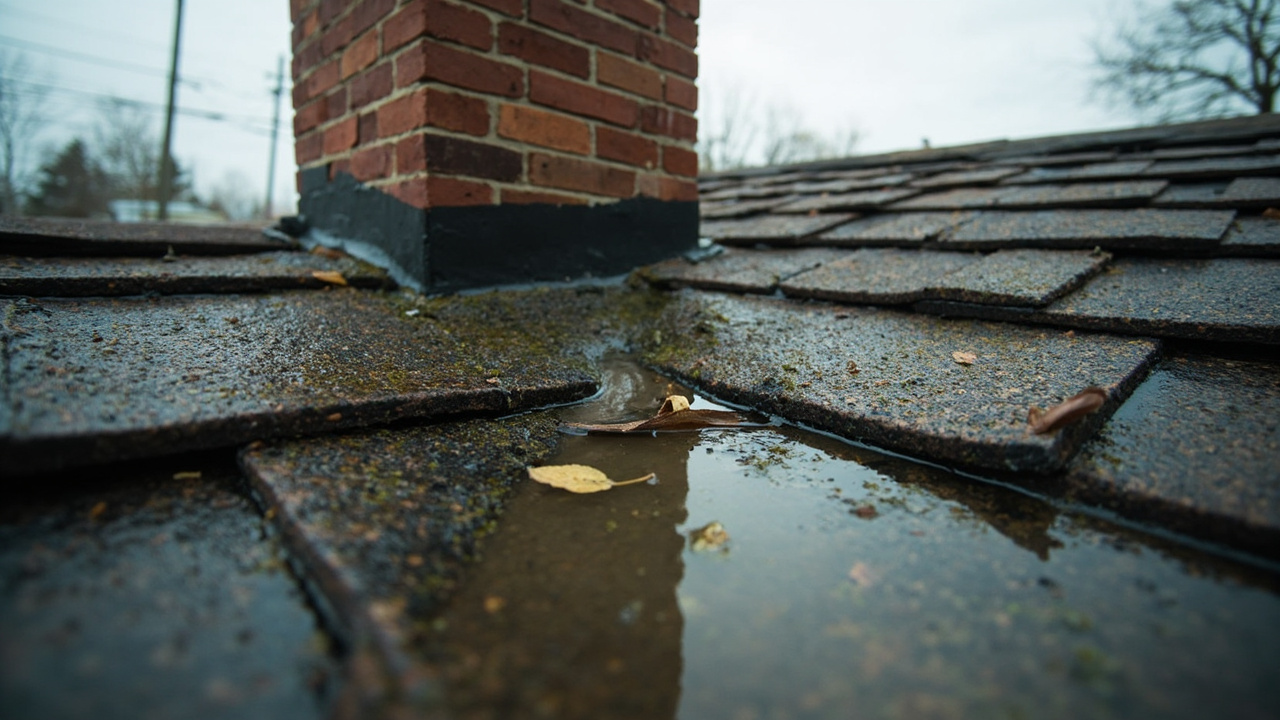
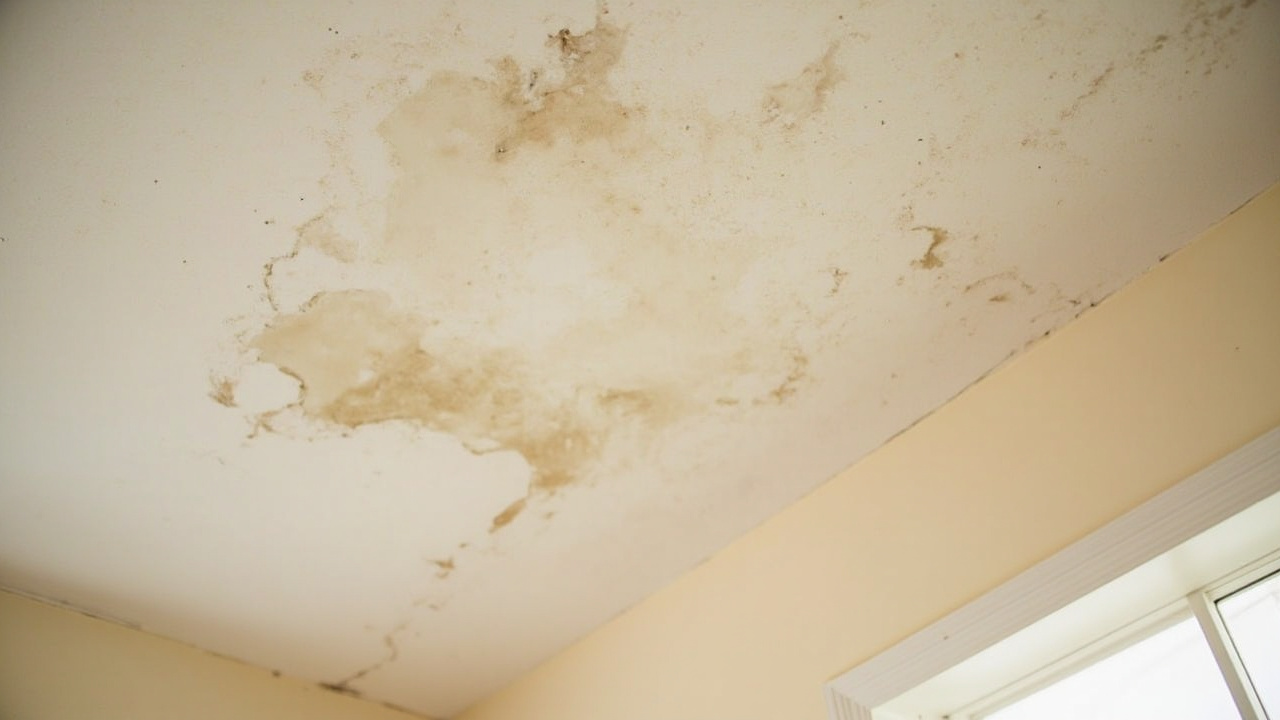
You notice water stains on the ceiling near your chimney after every heavy rain. The problem disappears for weeks, then reappears without warning. That pattern points to roof cricket ponding, a drainage issue that plagues Cleveland homes built before modern flashing standards became common.

Cleveland's freeze-thaw cycle creates the perfect storm for chimney diverter leaks. Water pools behind your chimney during rain, then freezes overnight when temperatures drop. That ice expands, forcing water under shingles and through deteriorated flashing. By spring, what started as minor chimney saddle water pooling has compromised your roof deck.

The geographic reality matters here. Cleveland receives 39 inches of precipitation annually, spread across 155 days. That consistent moisture exposure means your roof cricket must function perfectly, every single time. When the cricket pitch falls below the minimum four inches of rise per foot, water stops flowing around the chimney. Instead, it sits. It pools. It finds the weakest point in your flashing system.

Older homes in neighborhoods like Ohio City and Tremont often lack properly sized crickets entirely. Builders installed basic flashing and called it finished. That approach worked for ten years, maybe fifteen. But decades of Cleveland weather expose the flaw. Improper cricket pitch allows standing water to work its way through metal seams and underlayment. The leak you see inside started months ago on your roof, hidden behind a structural element you cannot inspect from the ground.

Roof saddle drainage failure does not announce itself with obvious signs. You discover it when the damage is already done.

Why Cleveland Roofs Are Vulnerable to Cricket Drainage Failure
How Professional Cricket Repair Stops the Problem Permanently

How Professional Cricket Repair Stops the Problem Permanently

Fixing cricket drainage issues requires more than sealing visible gaps. You need to rebuild the diverter structure so water flows away from the chimney base, not toward it. That means removing shingles around the chimney, inspecting the existing cricket frame, and determining whether the pitch angle meets current building code minimums.

Alpha Roofing Cleveland approaches cricket repair by addressing the geometry first. We measure the chimney width and calculate the required cricket height based on roof slope. For chimneys wider than 30 inches, Ohio building code mandates a properly sized saddle to prevent ponding. We build that saddle using pressure-treated lumber that matches your roof pitch, creating a triangular diverter that splits water flow to both sides of the chimney.

The flashing integration separates professional work from temporary patches. We install step flashing along each side of the cricket, then cover it with counter flashing embedded into chimney mortar joints. The base flashing extends under shingles at least six inches, creating a watertight seal that flexes with temperature changes. Ice and water shield goes down first, covering the entire cricket structure before any metal gets installed.

Cleveland's temperature swings demand flashing that can expand and contract without cracking. We use copper or aluminum flashing rather than galvanized steel, which corrodes faster in high-moisture environments. The cricket cap gets soldered at all seams, eliminating the mechanical joints where leaks typically start.

The final shingle installation overlaps the cricket structure in a specific pattern. Each course covers the one below by at least two inches, directing water down and away from the chimney. We avoid cutting shingles too short or leaving gaps that compromise the drainage path you just paid to create.

What Happens During a Cricket Drainage Repair

Roof Cricket Drainage Issues in Cleveland – Expert Diagnosis and Permanent Repair Solutions
01

Roof and Cricket Inspection

We access your roof and remove shingles around the chimney to expose the existing cricket structure and flashing system. You get photos of the current condition, measurements of the cricket pitch angle, and an explanation of why water is pooling. This inspection reveals hidden rot in the roof deck or chimney framing that must be addressed before new flashing gets installed.
02

Cricket Rebuild and Flashing

We construct a new cricket frame with the correct pitch ratio, install ice and water barrier over the entire saddle area, then integrate step flashing and counter flashing in a layered system. Each piece overlaps the next to create a continuous drainage plane. The chimney cap flashing gets embedded into mortar joints and sealed with high-grade sealant rated for freeze-thaw cycles.
03

Shingle Reinstallation and Testing

We reinstall shingles over the new cricket structure, matching the existing roof pattern and ensuring proper overlap at every course. Before leaving your property, we perform a water test by running a hose over the repaired area for fifteen minutes, checking for any drainage issues or seepage. You receive documentation of the work completed and specific maintenance recommendations for your roof type.

Why Cleveland Homeowners Choose Alpha Roofing for Cricket Repairs

Cricket drainage problems require diagnostic skills that general handymen do not possess. You need someone who understands how Cleveland weather interacts with roof geometry, someone who has rebuilt dozens of chimney saddles on homes similar to yours.

Alpha Roofing Cleveland specializes in the older housing stock that defines neighborhoods from Detroit-Shoreway to Slavic Village. We know the common flashing failures in 1920s brick colonials. We have seen how contractors cut corners on cricket construction during the 1980s roofing boom, creating problems that only surfaced decades later. That experience means we can diagnose your specific issue in minutes, not hours.

We follow Ohio Residential Code requirements for cricket sizing and flashing integration. That matters when you eventually sell your home. An inspector will flag improper chimney flashing, and you will face repair negotiations or reduced offers. Getting it done right the first time protects your investment and eliminates the recurring leak cycle that has been frustrating you for years.

Our approach differs from roofers who rely on caulk and tar to mask drainage problems. Those materials fail within two years under Cleveland's freeze-thaw conditions. We rebuild the structure so water cannot pool in the first place. That means tearing out failed components, not covering them up.

Cleveland homeowners also value clear communication about what the repair involves. We explain why your cricket failed, show you the measurements that prove improper pitch, and walk you through the rebuild process before we start. You understand exactly what you are paying for and why each step matters.

The local reputation we have built comes from solving problems that other contractors said were unfixable. Chimneys leak for specific reasons. We find those reasons and eliminate them.

What to Expect During Your Cricket Repair Project

Timeline and Scheduling Flexibility

Most cricket repairs take one to two days, depending on the extent of deck rot or chimney damage we discover during inspection. We schedule work during dry weather windows to protect your home interior. Cleveland's unpredictable spring and fall weather means we monitor forecasts closely and communicate any necessary schedule adjustments. Emergency repairs for active leaks can often begin within 48 hours. You receive a detailed timeline during the estimate phase, with clear explanations of how weather might affect completion dates.

Comprehensive Damage Assessment

Your roof inspection covers more than just the visible leak point. We check the entire chimney flashing system, examine roof deck condition around the chimney base, and assess whether the existing cricket structure can be salvaged or requires complete replacement. You get photos of problem areas with measurements showing improper pitch angles or inadequate cricket height. We explain what caused the original failure and how our repair prevents recurrence. This assessment includes checking attic spaces for hidden water damage that indicates long-term leaking.

Quality Materials and Workmanship

We use copper or aluminum flashing systems rated for Cleveland's climate, not galvanized steel that corrodes within years. Ice and water shield covers the entire cricket structure before any flashing gets installed. Lumber for cricket frames is pressure-treated to prevent rot. Shingles match your existing roof in both color and architectural style, maintaining your home's appearance. Every flashing seam gets soldered or mechanically fastened according to manufacturer specifications. You receive documentation of materials used, including product warranties that transfer with your home if you sell.

Post-Repair Monitoring and Maintenance

After completing your cricket repair, we perform water testing to verify proper drainage flow around the chimney. You receive specific maintenance guidance for your roof type, including recommended inspection intervals and signs of potential problems. We document the repair with photos and measurements for your records. Annual roof inspections help catch minor flashing issues before they become major leaks. Cleveland's freeze-thaw cycles make fall inspections particularly valuable, allowing you to address any gaps or separations before winter ice formation begins.

Frequently Asked Questions

You Have Questions,
We Have Answers

Does rooftop cricket damage roofs? +

Rooftop crickets do not damage roofs. They protect them. A cricket is a peaked structure built behind chimneys or other roof penetrations to divert water away. Without a cricket, water pools behind the chimney during Cleveland's heavy spring rains and freeze-thaw cycles. That pooling leads to leaks, rot, and accelerated shingle deterioration. A properly built cricket extends your roof's life by preventing standing water and ice buildup, which are common problems in Northeast Ohio's climate.

What are the signs of a failing roof drain? +

Watch for water stains on ceilings near drains, slow drainage after rain, or visible debris clogging the drain opening. In Cleveland, freeze-thaw cycles can crack drain components, causing leaks inside the building. You might notice ponding water on flat sections longer than 48 hours after rain stops. Rust streaks or plant growth around drains signal chronic moisture problems. Gurgling sounds during storms mean the drain struggles to handle volume. Inspect drains twice yearly to catch failures before they cause interior damage.

What is a drainage cricket? +

A drainage cricket is a triangular or peaked structure installed behind chimneys, skylights, or HVAC units on sloped roofs. It redirects water around the obstruction instead of letting it collect behind it. Cleveland's wet springs and winter snowmelt make crickets necessary for chimneys wider than 30 inches. The cricket splits water flow to both sides, preventing the damming effect that causes leaks. It typically matches your roof pitch and integrates flashing to create a watertight seal. Proper cricket installation stops 90 percent of chimney-related leaks.

When should I consider a roof cricket? +

Consider a roof cricket when your chimney is wider than 30 inches or if you see water stains on interior walls near the chimney. Cleveland homes with older chimneys often lack crickets because code requirements changed. If you notice shingle deterioration behind your chimney or ice dams forming in that area during winter, you need a cricket. Installing one during a roof replacement is cost-effective. Do not wait until leaks start. Prevention costs far less than repairing water damage to framing and insulation.

Can crickets cause structural damage? +

Roof crickets prevent structural damage. They do not cause it. The real threat is the absence of a cricket when you need one. Without proper drainage diversion, water saturates roof decking behind chimneys. In Cleveland's climate, that moisture freezes and thaws repeatedly, causing wood rot and compromising structural integrity. Over time, the deck loses its ability to hold nails, shingles fail prematurely, and you face expensive structural repairs. A cricket is cheap insurance against slow, hidden rot that undermines your entire roofing system.

Should you try to remove an ice dam on your roof in winter? +

Do not try to remove ice dams yourself. Chipping ice with hammers or picks damages shingles, flashing, and gutters. Cleveland winters create thick ice formations that seem manageable but hide structural risks. You could fall, puncture the roof membrane, or cause immediate leaks. Instead, call a professional who uses steam equipment to melt ice safely without damaging roofing materials. Prevent future dams by improving attic insulation and ventilation. Emergency removal stops active leaks, but the real fix addresses heat loss from your attic.

How much does it cost to replace a roof drain? +

Roof drain replacement costs vary based on drain type, roof accessibility, and existing damage. Simple scupper replacements run lower than full internal drain assemblies. Cleveland's flat commercial roofs often need complete drain housing replacement when freeze damage cracks the flange. The work includes cutting out old components, waterproofing membrane repairs, and flashing integration. Emergency repairs cost more than scheduled maintenance. Get three written estimates. Expect higher costs if structural decking needs replacement due to long-term leak damage around the failed drain.

Does homeowners insurance pay for a leaky roof? +

Homeowners insurance typically covers sudden, unexpected roof leaks from storm damage or tree impacts. It does not cover leaks from deferred maintenance, gradual wear, or pre-existing conditions. In Cleveland, insurers deny claims for ice dam damage if you neglected attic ventilation issues. They will pay for wind-damaged shingles but not for a 20-year-old roof that finally fails. Document damage immediately with photos. File claims within reporting deadlines. An adjuster will inspect and determine coverage based on your policy language and damage cause.

How to tell if a roofer is lying? +

A dishonest roofer pressures you to decide immediately, demands full payment upfront, or lacks local references you can verify. In Cleveland, watch for contractors who appear only after storms, offer suspiciously low bids, or cannot provide proof of insurance and Ohio licensing. Honest roofers explain what they find, offer written estimates with material specs, and never use scare tactics. They should reference local building codes and know Cleveland's specific weather challenges. Ask for recent customer contacts in your neighborhood. Trust your gut when something feels wrong.

Do roof crickets need to be inspected? +

Inspect roof crickets during your annual roof maintenance, typically spring and fall. Cleveland's freeze-thaw cycles and heavy rains stress cricket flashing and seals. Look for gaps where the cricket meets the chimney, cracked sealant, or lifting shingles on the cricket's slopes. Check for granule loss indicating water flow problems. After severe storms or winter, inspect for ice damage. A failing cricket shows the same leak signs as having no cricket at all. Catching small flashing failures early prevents expensive water damage inside your home.

How Cleveland's Freeze-Thaw Cycles Accelerate Cricket Drainage Failure

Cleveland experiences an average of 60 freeze-thaw cycles each winter, creating unique stress on roof cricket structures that homeowners in milder climates never face. Water from rain or snow melt pools behind improperly pitched crickets during the day, then freezes solid when temperatures drop overnight. That ice expands with tremendous force, lifting shingles and separating flashing seams that were watertight in summer. By March, you have gaps that allow melting snow to pour directly into your attic. This cycle repeats every year, compounding damage until the cricket structure fails completely.

Ohio building code has evolved significantly in cricket design requirements, but most Cleveland homes were built before these standards existed. Contractors familiar with local housing stock understand which decades produced the worst cricket construction and which neighborhoods have the highest concentration of undersized saddles. That local knowledge saves you money by identifying problems before water damage spreads to interior walls and ceilings. Choosing a Cleveland-based roofing company means working with professionals who have repaired hundreds of chimneys in your specific neighborhood and know exactly how your home was originally constructed.
Roofing Services in The Cleveland Area

We are proud to serve the entire Cleveland area and the surrounding communities. Our centrally located office allows us to respond quickly to your needs, whether you require a repair, a full roof installation, or an emergency service. We invite you to view our service area on the map to see how we can assist you. Our team is always ready to provide expert solutions right where you are.

Address:
Alpha Roofing Cleveland, 2401 Superior Viaduct, Cleveland, OH, 44113

Additional Services We Offer

Our news updates

Latest Articles & News from The Blogs

Why Moreland Hills homeowners are choosing high-end composite over traditional slate Moreland Hills estates have long featured the prestige of…

Why more Moreland Hills homeowners are choosing high-end composite over traditional slate

Why Moreland Hills homeowners are choosing high-end composite over traditional slate Moreland Hills estates have long featured the prestige of…

How to stop local wildlife from nesting under the shingles of your Mayfield Heights home

Understanding the Wildlife Problem in Mayfield Heights Mayfield Heights sits in a unique geographic location where suburban development meets mature…

Picking a roof color that highlights the historic charm of your University Heights home

Picking a roof color that highlights the historic charm of your University Heights home The right roof color can transform…

Contact Us

Call Alpha Roofing Cleveland at (216) 547-1300 for a detailed cricket drainage inspection. We identify the exact cause of your chimney leak and provide a clear repair plan that eliminates water pooling permanently. Schedule your assessment today.