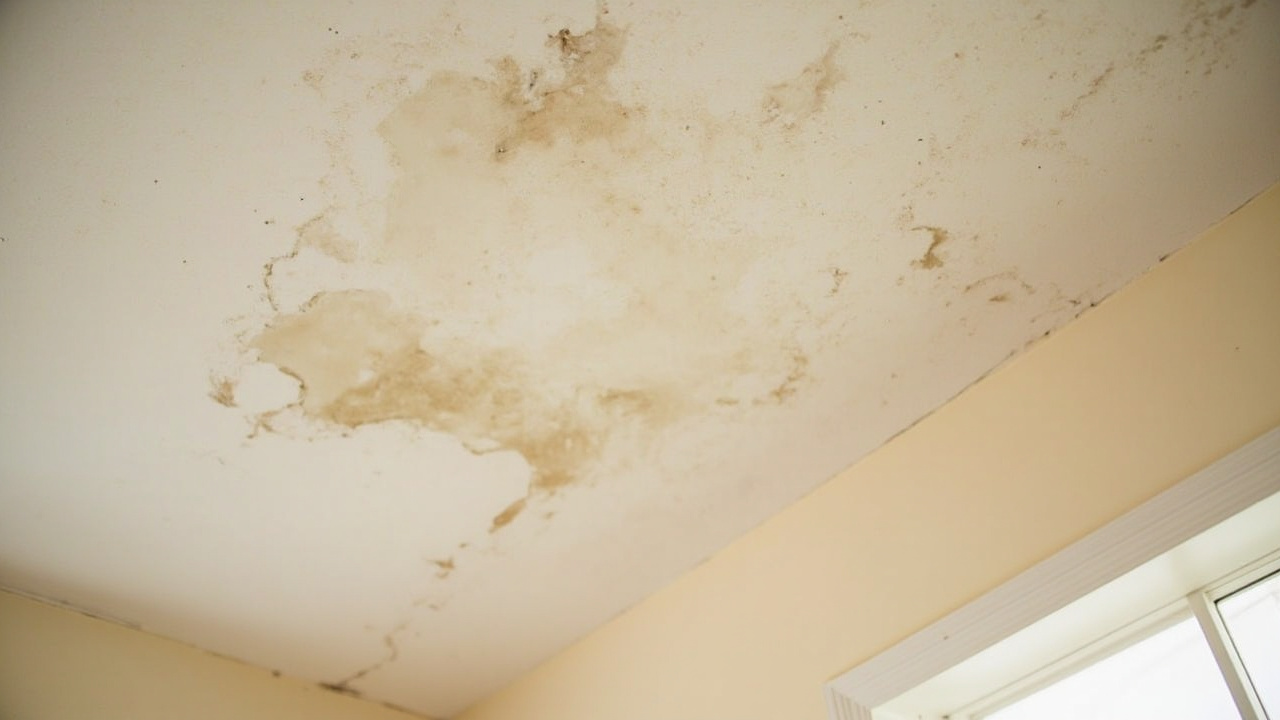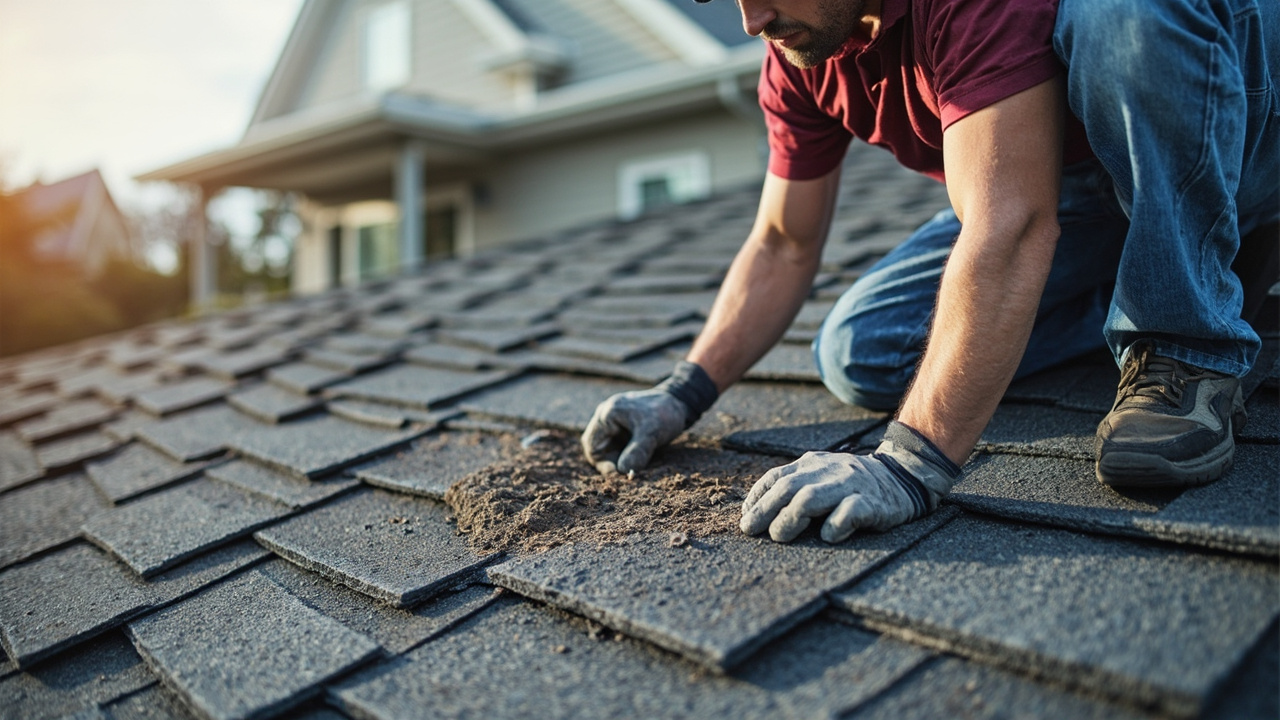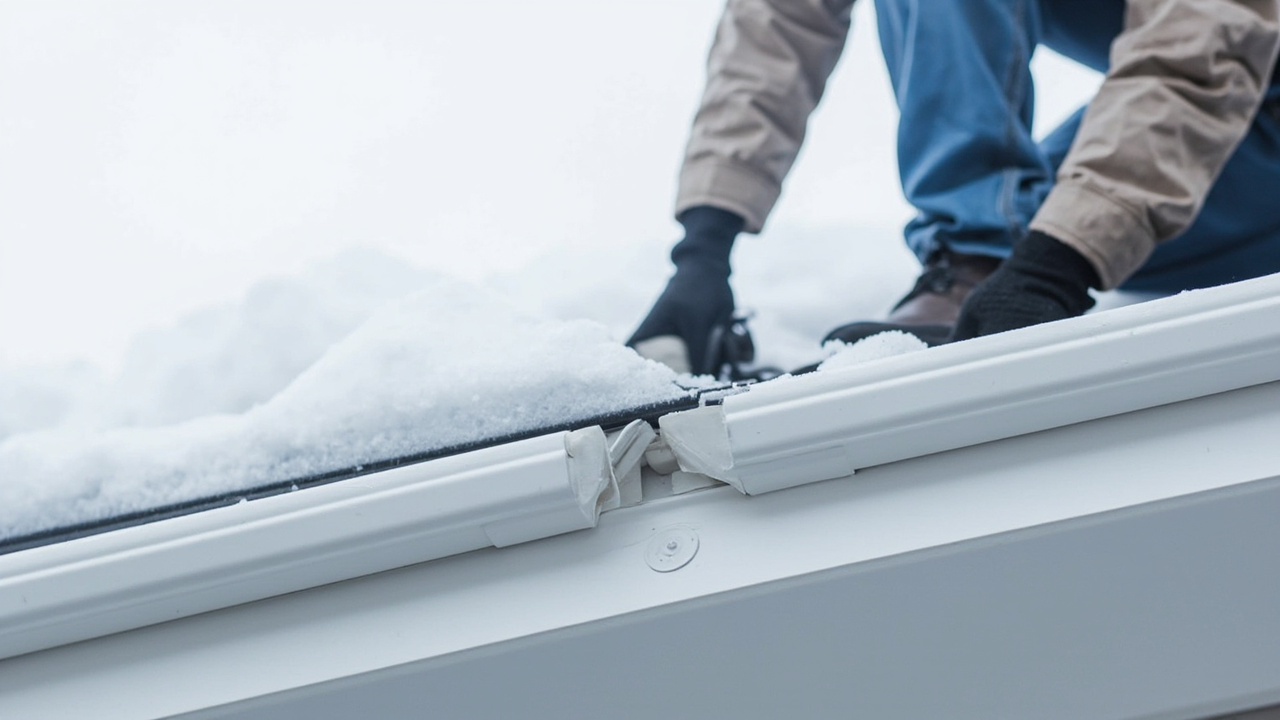


Cleveland sits in the primary lake effect snow belt, which means homes east of the city receive significantly more snow accumulation than areas to the west. This creates uneven loading conditions that stress roof structures. The freeze-thaw cycles that occur 40 to 60 times each winter cause more damage than sustained cold temperatures. Water penetrates small cracks, freezes, expands, and widens the opening. This cycle degrades shingles, flashing, and sealants faster than in climates with stable winter temperatures. Your homeowner roofing manual needs to account for these conditions when selecting materials and planning maintenance schedules.
Cleveland building codes reflect these climate challenges through specific requirements for ice and water shield coverage and ventilation standards. Local inspectors understand the failure patterns common to this area and check for proper installation of critical details. Working with a contractor who knows these requirements means your project passes inspection without delays or corrections. The roofing basics for homeowners in Cleveland differ from those in Columbus or Cincinnati because the weather patterns create different stress loads and failure modes. Local expertise translates to better material selection and installation practices that match the conditions your roof actually faces.